

The Journal of Practical Medicine ›› 2026, Vol. 42 ›› Issue (3): 395-405.doi: 10.3969/j.issn.1006-5725.2026.03.006
• Chronic Disease Control • Previous Articles
Sokhan CHOI1,Dongning ZHU2,Haowei XU1,Jiaqi HUANG1,Xiaoyu LI1,Zhuohao LI2,Xiufeng LIU2,Yuhong YAN3( )
)
Received:2025-10-15
Online:2026-02-10
Published:2026-02-09
Contact:
Yuhong YAN
E-mail:15920395608@139.com
CLC Number:
Sokhan CHOI,Dongning ZHU,Haowei XU,Jiaqi HUANG,Xiaoyu LI,Zhuohao LI,Xiufeng LIU,Yuhong YAN. Application of a deep learning-based tongue image classification system in TCM syndrome identification of psoriasis[J]. The Journal of Practical Medicine, 2026, 42(3): 395-405.
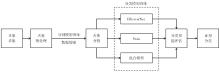
Fig.1
Schematic diagram of the proposed framework"
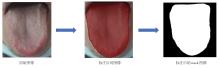
Fig.2
Tongue annotation"
Fig.3
Architecture of the modified U-Net"
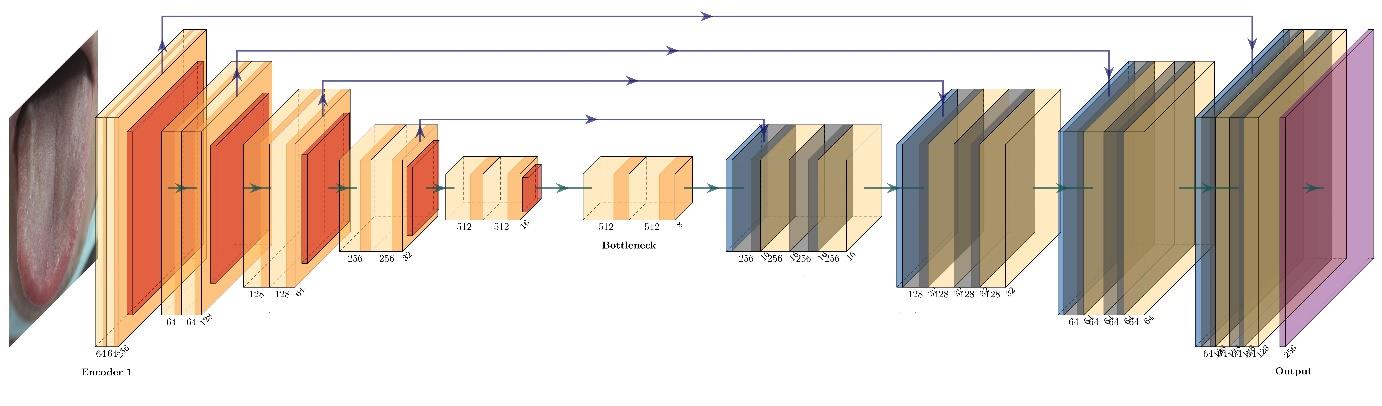
Fig.4
Architecture of the proposed hybrid model"
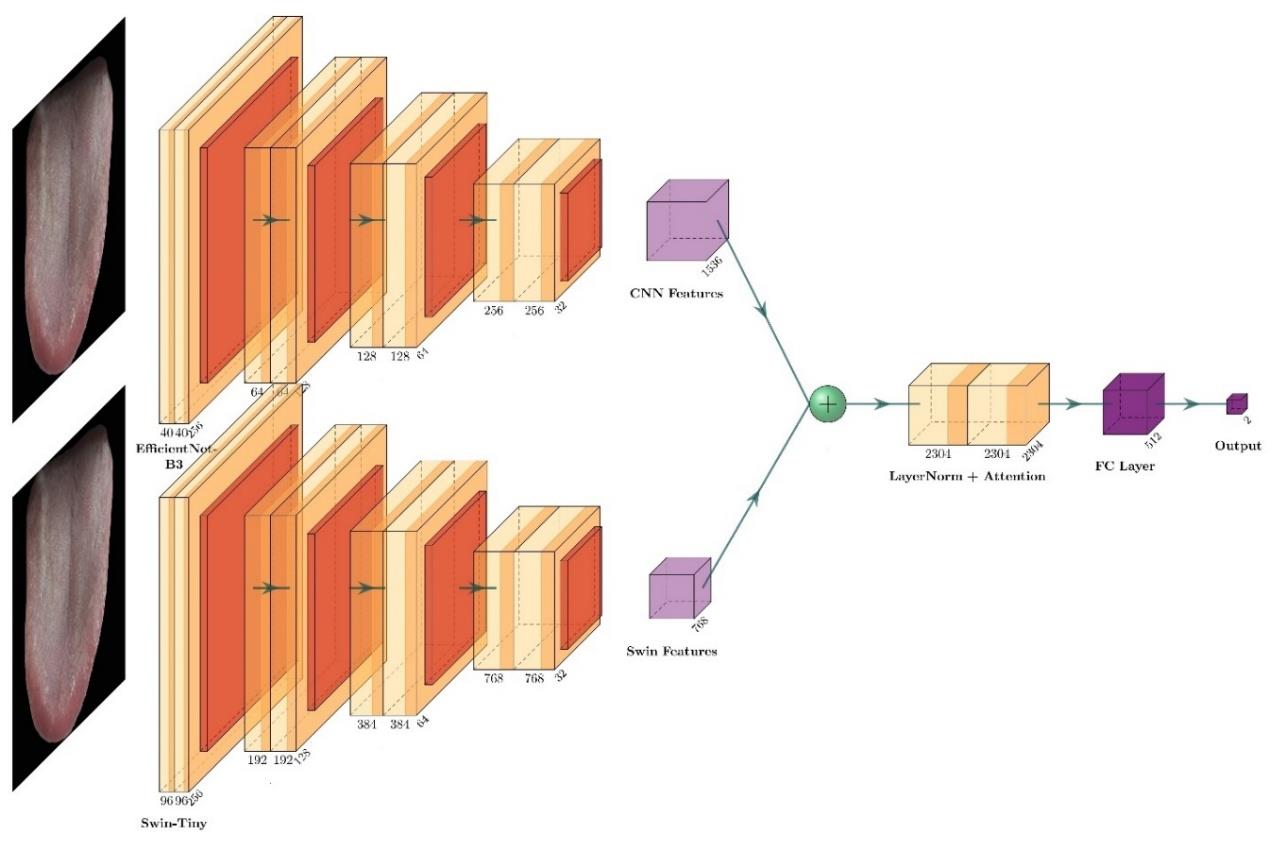
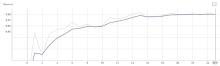
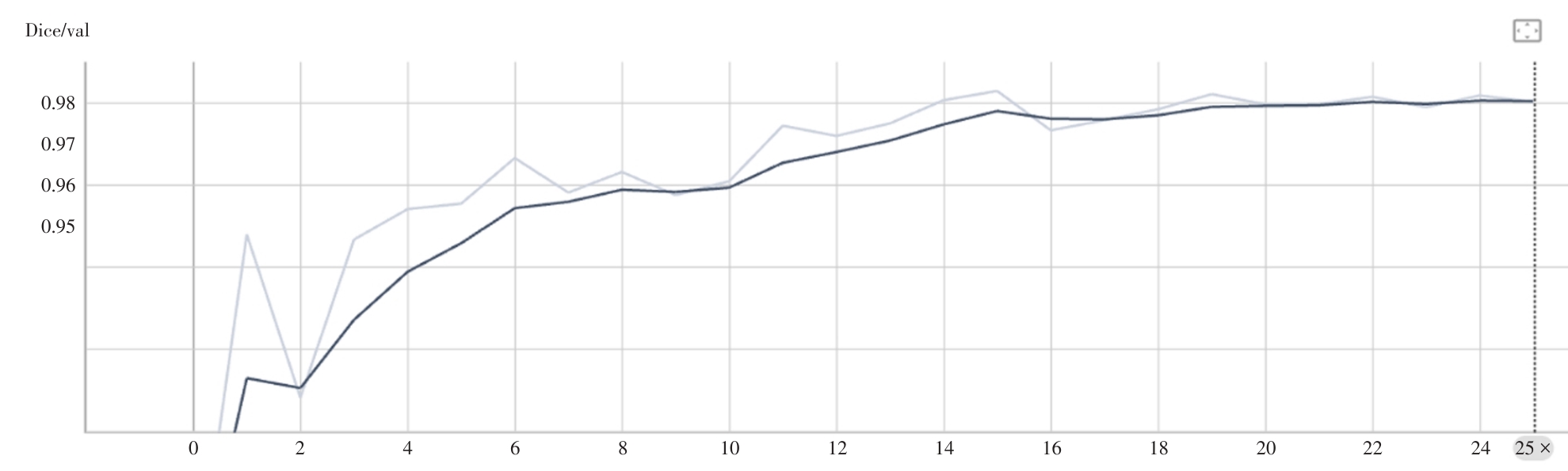
Fig.5
Dice coefficient"
Tab.1
Performance comparison of segmentation models"
| 模型 | 优势 | 局限性 | Dice系数(x ± s)/% | 本研究中的表现 |
|---|---|---|---|---|
| 基线 U-Net | 简单有效,适用于多种图像分割任务 | 对复杂背景和光照变化敏感 | 0.85 ± 0.04 | 边缘定位精度不足 |
| DeepLabv3+ | 大感受野,适合语义分割 | 参数量较大,计算资源消耗高 | 0.87 ± 0.05 | 显存占用16 GB, 不适合实时应用 |
| Mask R-CNN | 高精度目标检测与分割 | 训练数据需求大(≥ 5 000样本), 小样本泛化能力差 | 0.83 ± 0.06 | 误分割率高达15% |
| 改进的U-Net | 结合局部特征与全局上下文,鲁棒性强 | 需要预训练权重初始化 | 0.98 ± 0.03 | 边缘定位精度高, 误分割率< 5% |
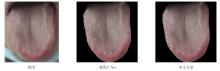
Fig.6
Comparison of segmentation results"
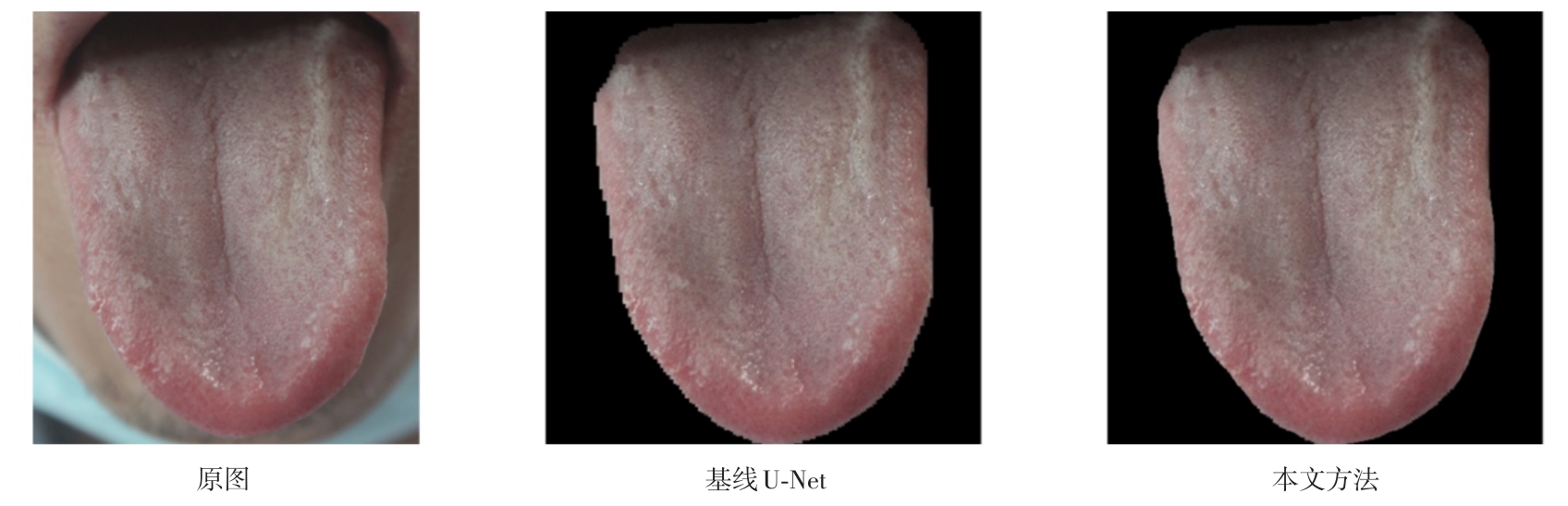
Fig.7
Loss curve of efficient Net-B3"
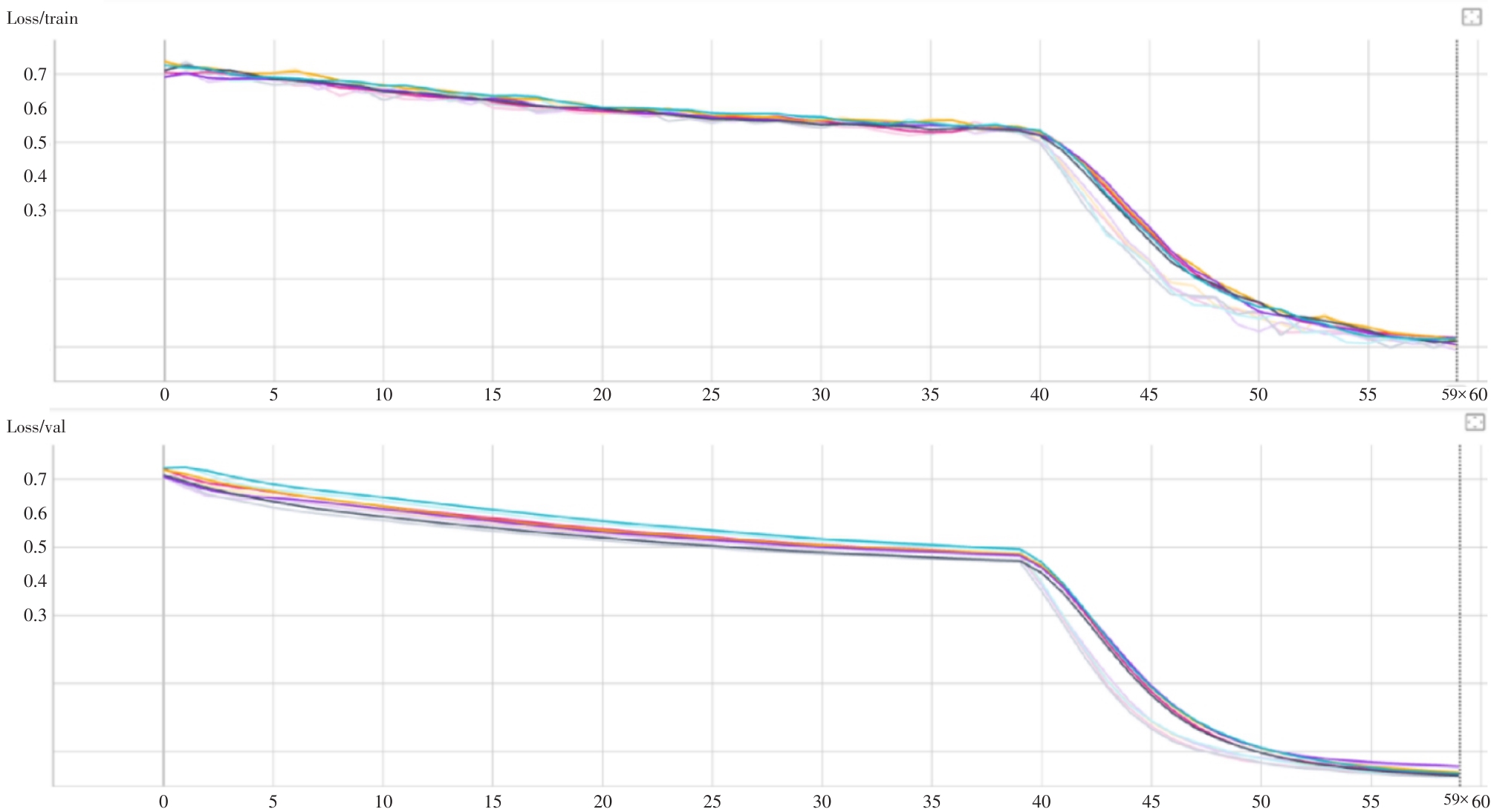
Fig.8
Accuracy of efficient Net-B3"
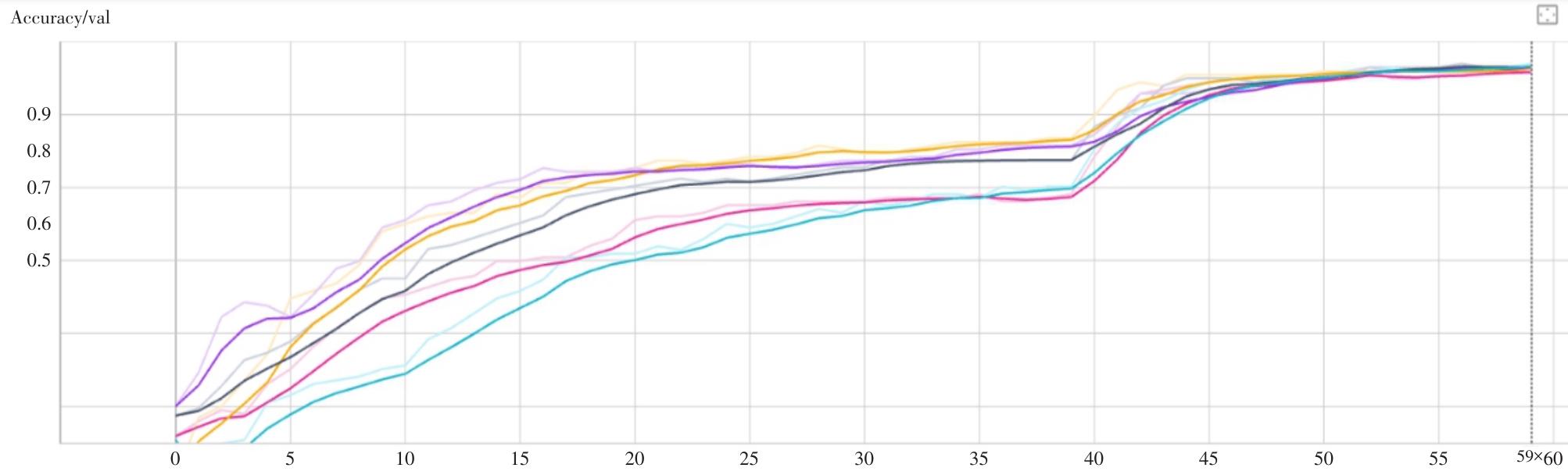
Fig.9
Loss curve of Swin-Tiny"
Fig.10
Accuracy of Swin-Tiny"
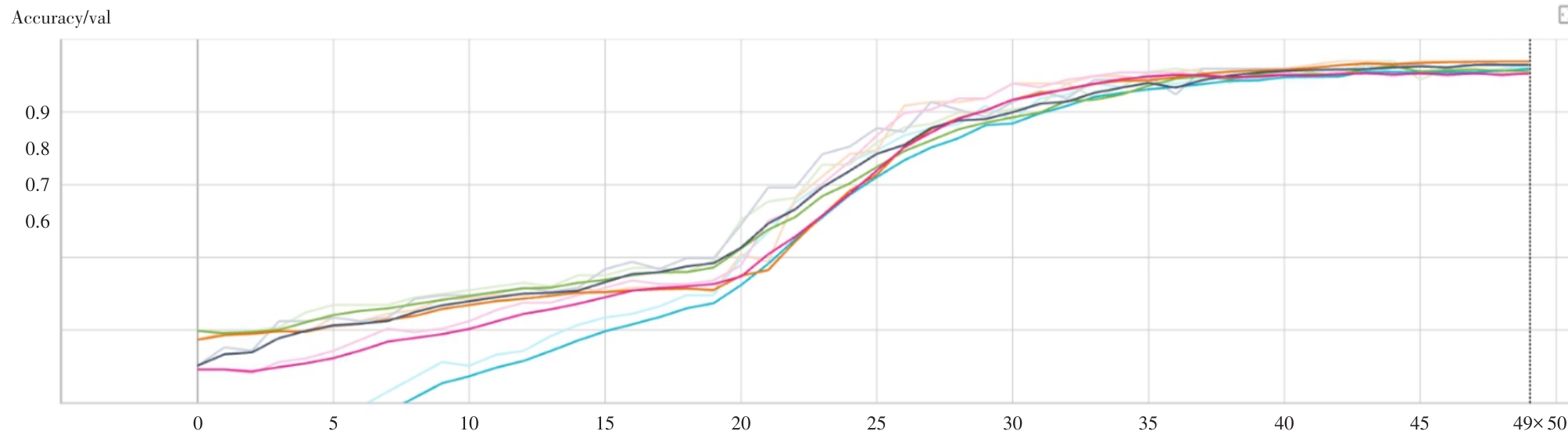
Fig.11
Loss curve of the proposed hybrid model"
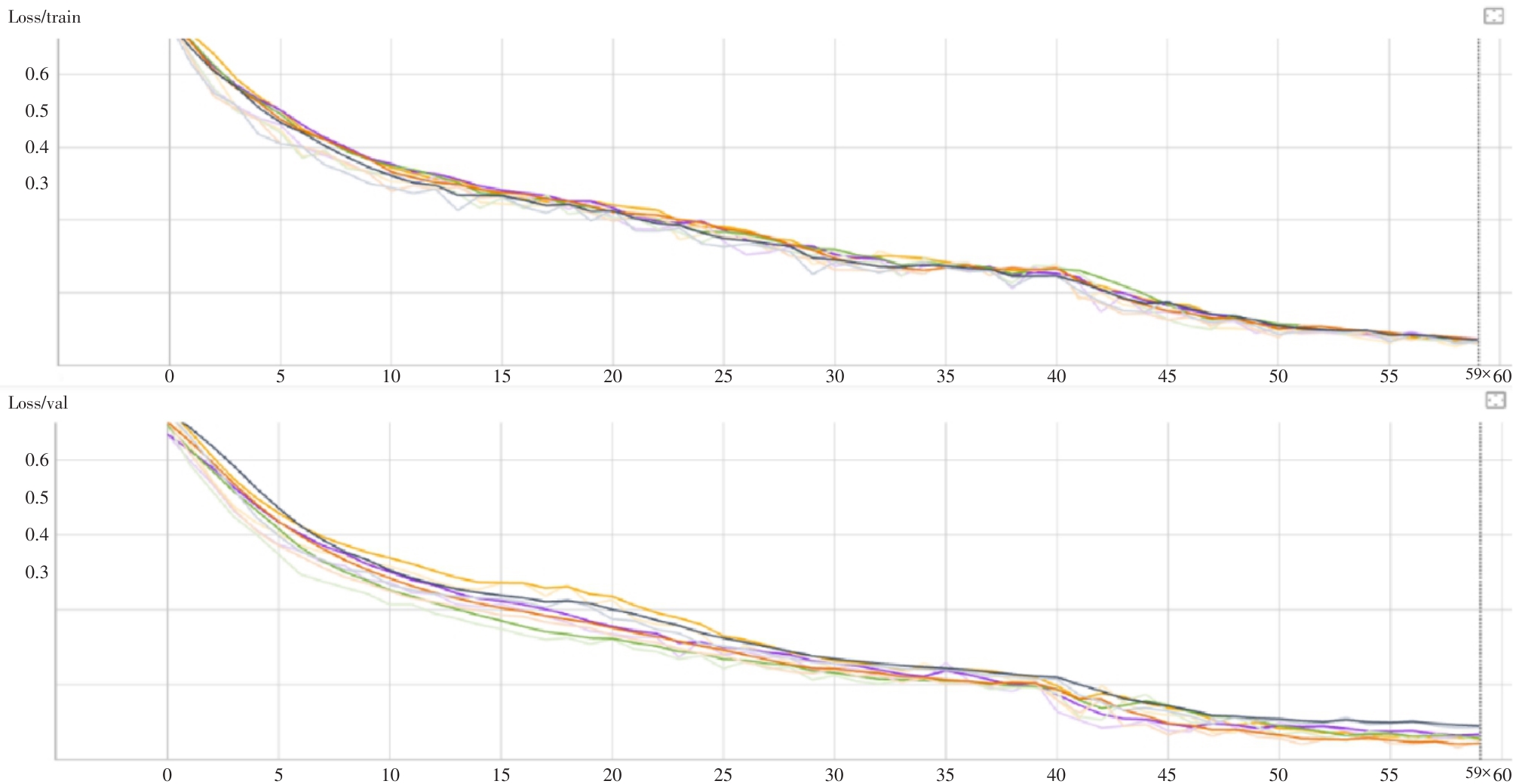
Fig.12
Accuracy of the proposed hybrid model"
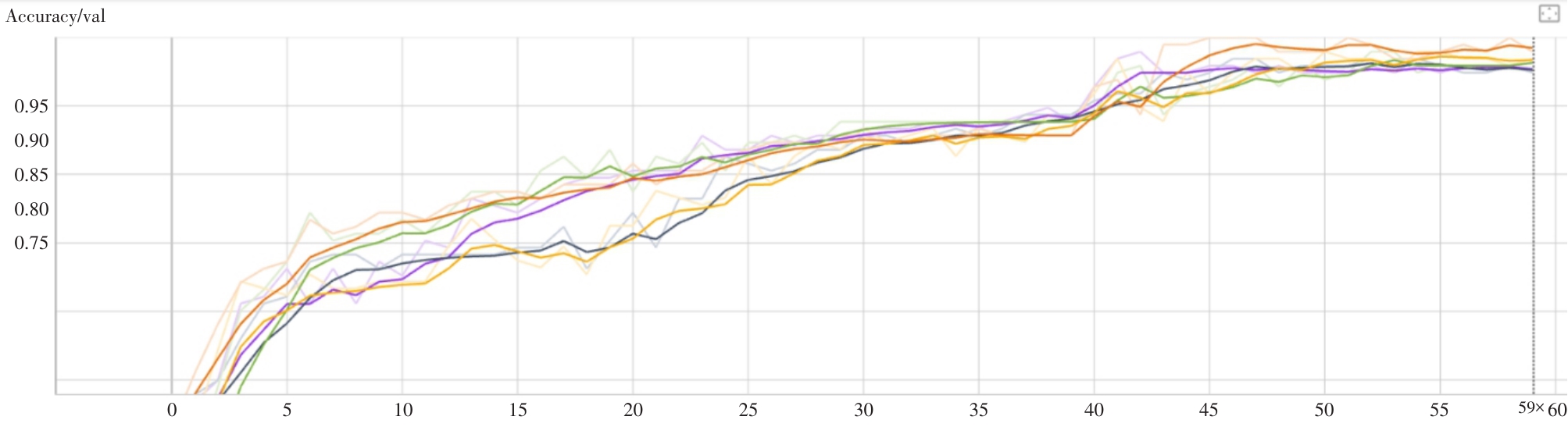
Tab.2
Results of 5-fold cross-validation"
| 模型类型 | 平均验证损失/% | 平均准确率/% | 平均F1分数/% | 平均AUC指数/% |
|---|---|---|---|---|
| EfficientNet-B3 | 0.267 9 ± 0.004 8 | 0.962 4 ± 0.004 1 | 0.927 0 ± 0.005 3 | 0.996 6 ± 0.001 3 |
| Swin-Tiny | 0.252 7 ± 0.009 0 | 0.965 4 ± 0.007 0 | 0.968 4 ± 0.007 2 | 0.997 6 ± 0.001 4 |
| Hybrid | 0.227 5 ± 0.008 6 | 0.981 6 ± 0.006 1 | 0.981 6 ± 0.006 7 | 0.999 3 ± 0.000 6 |
Tab.3
Comparison of inference speed"
| 模型类型 | 输入尺寸 | 参数量 | 单张图像推理时间 |
|---|---|---|---|
| EfficientNet-B3 | 300 × 300 | 12 M | ~25 ms |
| Swin-Tiny | 224 × 224 | 28 M | ~30 ms |
| Hybrid | 双分支输入 | 40 M | ~38 ms |
| [1] |
世界中医药学会联合会.寻常型银屑病中西医结合诊疗指南 [J].世界中医药, 2024, 19(17): 2535-2544. doi: 10.3969/j.issn.1673-7202.2024.17.001 .
doi: 10.3969/j.issn.1673-7202.2024.17.001 |
| [2] |
PANNU S, ROSMARIN D. Psoriasis in Patients with Metabolic Syndrome or Type 2 Diabetes Mellitus: Treatment Challenges [J]. Am J Clin Dermatol, 2021, 22(3): 293-300.doi: 10.1007/s40257-021-00590-y . Epub 2021 Feb 15.
doi: 10.1007/s40257-021-00590-y |
| [3] |
李思彤,王傲,白彦萍,等.银屑病中滤泡性辅助性T细胞及IL-21对HaCaT细胞增殖及细胞周期的影响[J].实用医学杂志,2023,39(18):2342-2348. doi :10.3969/j.issn.1006-5725. 2023. 18.010 .
doi: 10.3969/j.issn.1006-5725. 2023. 18.010 |
| [4] |
中华医学会皮肤性病学分会银屑病专业委员会. 中国银屑病诊疗指南(2023版)[J]. 中华皮肤科杂志,2023, 56(7):573-625. doi:10.35541/cjd.20220839 .
doi: 10.35541/cjd.20220839 |
| [5] |
赵宁,底婷婷,齐聪,等.银屑病病证结合模型的研究进展[J].中国比较医学杂志,2022,32(10):142-147. doi:10.3969/j.issn. 1671-7856.2022.10.019 .
doi: 10.3969/j.issn. 1671-7856.2022.10.019 |
| [6] |
闫玉红,卢传坚,禤国维.寻常型银屑病核心病机探讨[J].辽宁中医杂志,2012,39(6):1013-1015.doi:10.13192/j.ljtcm. 2012.06.60.yanyh.095 .
doi: 10.13192/j.ljtcm. 2012.06.60.yanyh.095 |
| [7] |
余沐原,罗亚,闫玉红,等.卢传坚从脾虚湿瘀论治岭南地区银屑病思路探讨[J].广州中医药大学学报,2023,40(9):2342-2347. doi:10.13359/j.cnki.gzxbtcm.2023.09.031 .
doi: 10.13359/j.cnki.gzxbtcm.2023.09.031 |
| [8] |
刘柳,孙晓颖,莫美,等.中医药临床优势病种探讨——银屑病[J].中国实验方剂学杂志,2025,31(5):260-268. doi:10.13422/ j.cnki.syfjx.20250897 .
doi: 10.13422/ j.cnki.syfjx.20250897 |
| [9] |
张玫, 钟瑞, 蒋寅, 等. 数智中医广义望诊系统构建与思考 [J]. 北京中医药大学学报,2025,48(8):1037-1043. doi:10.3969/ j.issn.1006-2157.2025.08.001 .
doi: 10.3969/ j.issn.1006-2157.2025.08.001 |
| [10] |
张婷,王琳.中医舌诊客观化研究进展[J].实用中医内科杂志,2024,38(6):82-85. doi:10.13729/j.issn.1671-7813.Z20230974 .
doi: 10.13729/j.issn.1671-7813.Z20230974 |
| [11] |
张林子,周武,张洪来.自动舌诊技术的研究进展[J].中国中医基础医学杂志,2023,29(5):871-876. doi:10.19945/j.cnki.issn.1006-3250.2023.05.035 .
doi: 10.19945/j.cnki.issn.1006-3250.2023.05.035 |
| [12] |
KRITTANAWONG C, ZHANG H, WANG Z, et al. Artificial Intelligence in Precision Cardiovascular Medicine[J]. J Am Coll Cardiol, 2017, 69(21): 2657-2664.doi: 10.1016/j.jacc. 2017. 03.571 .
doi: 10.1016/j.jacc. 2017. 03.571 |
| [13] | 刘军, 韩燕鸿, 潘建科, 等. 人工智能在中医骨伤科领域应用的现状与前景 [J]. 中华中医药杂志, 2019, 34(8): 3608-3612. |
| [14] |
HU Y, WEN G, LUO M, et al. Fully-channel regional attention network for disease-location recognition with tongue images [J]. Artif Intell Med, 2021, 118: 102110.doi: 10.1016/j.artmed. 2021.102110 .
doi: 10.1016/j.artmed. 2021.102110 |
| [15] |
赵墨, 彭红叶, 汪九重,等. 慢性萎缩性胃炎不同危险分期患者中医舌象客观化研究 [J]. 陕西中医, 2025, 46(6): 756-760. doi: 10.3969/j.issn.1000-7369.2025.06.007 .
doi: 10.3969/j.issn.1000-7369.2025.06.007 |
| [16] |
LI J, YUAN P, HU X, et al. A tongue features fusion approach to predicting prediabetes and diabetes with machine learning [J]. J Biomed Inform, 2021, 115: 103693.doi: 10.1016/j.jbi. 2021. 103693 .
doi: 10.1016/j.jbi. 2021. 103693 |
| [17] |
YUAN L, YANG L, ZHANG S, et al. Development of a tongue image-based machine learning tool for the diagnosis of gastric cancer: a prospective multicentre clinical cohort study [J]. EClinicalMedicine, 2023, 57: 101834.doi: 10.1016/j.eclinm. 2023. 101834 .
doi: 10.1016/j.eclinm. 2023. 101834 |
| [18] |
THIRUNAVUKKARASU U, UMAPATHY S, RAVI V, et al. Tongue image fusion and analysis of thermal and visible images in diabetes mellitus using machine learning techniques [J]. Sci Rep, 2024, 14(1): 14571.doi: 10.1038/s41598-024-64150-0 .
doi: 10.1038/s41598-024-64150-0 |
| [19] |
MA C, ZHANG P, DU S, et al. Construction of Tongue Image-Based Machine Learning Model for Screening Patients with Gastric Precancerous Lesions[J]. J Pers Med, 2023,13(2):271.doi: 10.3390/jpm13020271 .
doi: 10.3390/jpm13020271 |
| [20] |
LI P, YI N, DING C S, et al. Research on classification diagnosis model of psoriasis based on deep residual network[J]. Dig Chin Med, 2021, 4(2): 92-101. doi: 10.1016/j.dcmed.2021.06.003 .
doi: 10.1016/j.dcmed.2021.06.003 |
| [21] |
秦志远,朱峻泷,张琛,等. 基于ResNet34-UNet的静脉超声图像分割方法研究[J]. 临床超声医学杂志,2022,24(1):74-78. doi:10.3969/j.issn.1008-6978.2022.01.022 .
doi: 10.3969/j.issn.1008-6978.2022.01.022 |
| [22] |
刘伟, 陈锦明, 刘波, 等. 基于深度学习的舌体图像分割和舌色分类研究(英文)[J]. Digital Chinese Medicine, 2022, 5(3): 253-63. doi:10.1016/j.dcmed.2022.10.002 .
doi: 10.1016/j.dcmed.2022.10.002 |
| [23] |
TAN M, LE Q V.EfficientNet:Rethinking Model Scaling for Convolutional Neural Networks[J]. arXiv, 2019. doi:10.48550/arXiv.1905.11946 .
doi: 10.48550/arXiv.1905.11946 |
| [24] |
LIU Z, LIN Y, CAO Y,et al.Swin Transformer: Hierarchical Vision Transformer using Shifted Windows[J]. arXiv, 2021. doi:10.48550/arXiv.2103.14030 .
doi: 10.48550/arXiv.2103.14030 |
| [25] |
宋超,王斌,许家佗.基于深度迁移学习的舌象特征分类方法研究[J].计算机工程与科学,2021,43(8):1488-1496. doi:10.3969/j.issn.1007-130X.2021.08.018 .
doi: 10.3969/j.issn.1007-130X.2021.08.018 |
| [26] |
吴欣,徐红,林卓胜,等. 深度学习在舌象分类中的研究综述 [J]. 计算机科学与探索, 2023, 17(2): 303-323. doi:10.3778/j.issn.1673-9418.2208052 .
doi: 10.3778/j.issn.1673-9418.2208052 |
| [27] |
林胜,胡聿昕,李昀泽,等.“燥湿同病”论治慢性斑块型银屑病[J].中医杂志,2025,66(22):2388-2392. doi:10.13288/j.11-2166/r.2025.22.016 .
doi: 10.13288/j.11-2166/r.2025.22.016 |
| [28] |
王冬阳,张洋,石志超.从热毒、血燥、血瘀、血虚论治银屑病[J].广州中医药大学学报,2020,37(7):1391-1394. doi:10.13359/j.cnki.gzxbtcm.2020.07.034 .
doi: 10.13359/j.cnki.gzxbtcm.2020.07.034 |
| [1] | Yuchan ZHOU,Rongchang ZHENG,Huarun LI,Jinping HUANG,Si QIN,Ting LI,Zhenyu LU,Sihui LI,Xianwen LI,Mujin LI,Ju WEN. Expression of TRM cells in the lesions of imiquimod⁃induced models of psoriasis in mice [J]. The Journal of Practical Medicine, 2025, 41(9): 1327-1331. |
| [2] | Yingmei HAN,Yijie LI,Heng ZHANG,Weiqing LI,Ze FENG,Feng WANG. The application value of deep learning in imaging studies for predicting the conversion of Alzheimer′s disease [J]. The Journal of Practical Medicine, 2025, 41(9): 1413-1424. |
| [3] | Jianbin LI,Rui. WU. Correlation study on pericyte depletion, eye⁃signs in blood stasis syndrome, and blood⁃brain barrier dysfunction in neuropsychiatric systemic lupus erythematosus [J]. The Journal of Practical Medicine, 2025, 41(6): 790-799. |
| [4] | Gaokai HU,Ya'nan NIU,Yukang GONG,Yang HU,Ruixuan XU,Wenshan. GAO. Research progress on the application of deep learning in lumbar spine disease [J]. The Journal of Practical Medicine, 2025, 41(6): 921-928. |
| [5] | Jinfen ZHENG,Cuiping SHI,Yunxia LING,Dehua ZHANG,Qianyu ZHAI,Lijia ZHU,Doukou JIANG,Xiaohong WANG,Yonghui. LAI. Effect of TINCR⁃MAF: MAFB transcription factor network on proliferation and differentiation of human kerathnocytes [J]. The Journal of Practical Medicine, 2025, 41(4): 509-514. |
| [6] | Dan ZHU,Wanjun LU,Ying ZHU,Jinlu CAO,Yingzi CHEN. Developing an unsupervised deep learning model for diabetic nephropathy prediction using panoramic fundus retinal images [J]. The Journal of Practical Medicine, 2025, 41(22): 3598-3608. |
| [7] | Qian ZHANG,Yuntai CAO,Zhijie WANG,Boqi. ZHOU. Advances in deep learning for endoscopic image⁃based diagnosis of early gastric cancer [J]. The Journal of Practical Medicine, 2025, 41(14): 2160-2166. |
| [8] | Xi HU,Yan LI,Yang. LIU. Recent advances on the application of deep learning in assisted reproductive technology [J]. The Journal of Practical Medicine, 2024, 40(7): 893-897. |
| [9] | Jia XIANG,Qiantong CHEN,Yingxin LU,Sijie ZHENG,Junjie HUANG,Yingying CHEN,Suidan HUANG,Huai. CHEN. Study on diffuse cystic lung disease based on deep learning [J]. The Journal of Practical Medicine, 2024, 40(19): 2747-2754. |
| [10] | Xinyu LI,Yang WU,Hongmei ZHANG,Lixue YIN,Bo PENG,Shenghua. XIE. Deep learning technology for quality control of echocardiography images [J]. The Journal of Practical Medicine, 2024, 40(1): 108-113. |
| [11] | Runcai GUO,Lei WANG,Zhenguo HUANG,Linfeng XI,Shuai ZHANG,Min. LIU. Deep learning convolutional neural network model trained from scratch algorithm in the evaluation of acute pulmonary thromboembolism [J]. The Journal of Practical Medicine, 2023, 39(22): 2979-2983. |
| [12] | Sitong LI,Ao WANG,Yanping BAI,Ying. WANG. Effects of T follicular helper cells and IL⁃21 on proliferation and cell cycle of HaCaT cellsinpsoriasis [J]. The Journal of Practical Medicine, 2023, 39(18): 2342-2348. |
| [13] | ZHANG Kaitai, DING Minggang, ZHOU Jingxiang, FANG Chongtao, ZHANG Tingting. . A clinical observation on modified Sijunzi decoction for heart failure with reduced ejection fraction of Qi deficiency and blood stasis syndrome [J]. The Journal of Practical Medicine, 2023, 39(15): 1982-1986. |
| [14] |
WU Weiwei , HAN Junya, ZHANG Yan, HOU Xiaoqiang, FANG Xianfeng..
The role of reflectance confocal microscopy in the efficacy evaluation of secukinumab for psoriasis [J]. The Journal of Practical Medicine, 2022, 38(24): 3072-3076. |
| [15] | LUO Gang, PAN Si⁃lin, QIAO Sibo, PANG Shanchen, CHEN Taotao, SUN Lingyu, DONG Yukun.. Deep learning technology for automatic recognition of fetal echocardiography images [J]. The Journal of Practical Medicine, 2022, 38(14): 1830-1833. |
| Viewed | ||||||
|
Full text |
|
|||||
|
Abstract |
|
|||||
