

The Journal of Practical Medicine ›› 2026, Vol. 42 ›› Issue (17): 3188-3196.doi: 10.3969/j.issn.1006-5725.2026.17.018
• Treatise:Mechanism and Practice • Previous Articles Next Articles
Ting Lu1, Haibin Song1, Hui Qiu1, Liliang Song1, Jiangfeng Guan2, Lei Li3( )
Received:2026-04-22
Online:2026-09-10
Published:2026-10-10
Contact:
Lei Li
About author:Lu Ting carried out the project design, data analysis and article writing. Song Haibin, Qiu Hui and Song Liliang participated in the data collection and revision. Guan Jiangfeng was responsible for the final revision of the paper. Li Lei participated in the revision and finalization of the paper. All authors read and approved the final manuscript as submitted.
CLC Number:
Ting Lu, Haibin Song, Hui Qiu, Liliang Song, Jiangfeng Guan, Lei Li. Study on relationships between SCN10A, GSTP1 and MTHFR gene polymorphisms and oxaliplatin-induced peripheral neurotoxicity in patients with colorectal cancer[J]. The Journal of Practical Medicine, 2026, 42(17): 3188-3196.
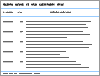
Tab.1
Primer sequences and lengths for SCN10A, GSTP1, and MTHFR"
| 目标基因 | 引物序列 | 引物长度/bp |
|---|---|---|
| SCN10A | GTGTGCATGACCCGAACTGAT | 21 |
| CAAAACCCTCTTGCCAGTATCT | 22 | |
| GSTP1 | GATCTCCTTCGCTGACTACAACC | 23 |
| ATTGGTCCTGGAGAAAGGAAGG | 22 | |
| MTHFR | AGGACGGTGCGGTGAGAGTG | 20 |
| TGAAGGAGAAGGTGTCTGCGGGA | 23 |
Tab.2
Genotype distribution and Hardy-Weinberg equilibrium test for each SNP locus"
| 基因位点 | 基因型 | 实际频数(n) | 理论频数(n) | χ 2值 | P值 |
|---|---|---|---|---|---|
| SCN10A rs12632942 | CC | 68 | 68.3 | 0.003 | 0.998 |
| CT | 73 | 72.5 | |||
| TT | 19 | 19.2 | |||
| GSTP1 rs1695 | AA | 72 | 71.6 | 0.011 | 0.994 |
| AG | 70 | 70.9 | |||
| GG | 18 | 17.6 | |||
| MTHFR rs1801133 | CC | 86 | 85.6 | 0.014 | 0.993 |
| CT | 62 | 62.9 | |||
| TT | 12 | 11.6 |
Tab.3
Comparison of genotypes at each SNP locus with the occurrence of OIPN"
| 基因位点 | 基因型 | 例数 | 急性OIPN | χ 2值 | P值 | 慢性OIPN | χ 2值 | P值 |
|---|---|---|---|---|---|---|---|---|
| SCN10A rs12632942 | CC | 68 | 45(66.18) | 0.207 | 0.649 | 29(42.65) | 12.654 | < 0.001 |
| CT或TT | 92 | 64(69.57) | 65(70.65) | |||||
| GSTP1 rs1695 | AA | 72 | 39(54.17) | 11.746 | 0.001 | 43(59.72) | 0.051 | 0.821 |
| AG或GG | 88 | 70(79.55) | 51(57.95) | |||||
| MTHFR rs1801133 | CC | 86 | 58(67.44) | 0.040 | 0.842 | 52(60.47) | 0.226 | 0.635 |
| CT或TT | 74 | 51(68.92) | 42(56.76) |
Tab.4
Correlation analysis of SCN10A gene polymorphism with clinicopathological features"
| 临床因素 | 例数 | SCN10A rs12632942 | χ 2值 | P值 | |
|---|---|---|---|---|---|
| CC(n = 68) | CT或TT(n = 92) | ||||
| 年龄≥ 60岁 | 78 | 33(42.31) | 45(57.69) | 0.002 | 0.962 |
| 女性 | 94 | 41(43.62) | 53(56.38) | 0.116 | 0.733 |
| 结肠癌 | 89 | 38(42.70) | 51(57.30) | 0.003 | 0.955 |
| 临床分期Ⅳ期 | 58 | 24(41.38) | 34(58.62) | 0.047 | 0.829 |
| XELOX方案 | 47 | 19(40.43) | 28(59.57) | 0.117 | 0.732 |
| 奥沙利铂累积剂量≥ 1 000 mg/m² | 62 | 23(37.10) | 39(62.90) | 1.209 | 0.271 |
| 化疗周期≥8周期 | 56 | 20(35.71) | 36(64.29) | 1.623 | 0.302 |
| 合并糖尿病 | 21 | 7(33.33) | 14(66.67) | 0.831 | 0.362 |
| 合并高血压 | 35 | 16(45.71) | 19(54.29) | 0.189 | 0.663 |
| 三线及以上治疗 | 8 | 3(37.50) | 5(62.50) | 0.086 | 0.769 |
| 晚期姑息治疗 | 92 | 39(42.39) | 53(57.61) | 0.001 | 0.974 |
| 联合靶向治疗 | 45 | 19(42.22) | 26(57.78) | 0.002 | 0.965 |
| 联合免疫治疗 | 12 | 5(41.67) | 7(58.33) | 0.004 | 0.952 |
| 既往手术史 | 140 | 60(42.86) | 80(57.14) | 0.058 | 0.809 |
| 既往放疗史 | 35 | 15(42.86) | 20(57.14) | 0.002 | 0.961 |
| 既往化疗史 | 25 | 10(40.00) | 15(60.00) | 0.076 | 0.783 |
Tab.5
Correlation analysis of GSTP1 gene polymorphism with clinicopathological features"
| 临床因素 | 例数 | GSTP1 rs1695 | χ 2值 | P值 | |
|---|---|---|---|---|---|
| AA(n = 72) | AG或GG(n = 88) | ||||
| 年龄≥ 60岁 | 78 | 34(43.59) | 44(56.41) | 0.122 | 0.727 |
| 女性 | 94 | 43(45.74) | 51(54.26) | 0.051 | 0.821 |
| 结肠癌 | 89 | 39(43.82) | 50(56.18) | 0.113 | 0.737 |
| 临床分期Ⅳ期 | 58 | 26(44.83) | 32(55.17) | 0.001 | 0.974 |
| XELOX方案 | 47 | 20(42.55) | 27(57.45) | 0.161 | 0.688 |
| 奥沙利铂累积剂量≥ 1 000 mg/m² | 62 | 23(37.10) | 39(60.90) | 2.555 | 0.110 |
| 化疗周期≥ 8周期 | 56 | 22(39.29) | 34(60.71) | 1.137 | 0.286 |
| 合并糖尿病 | 21 | 8(37.10) | 13(61.90) | 0.466 | 0.495 |
| 合并高血压 | 35 | 17(48.57) | 18(51.43) | 0.231 | 0.631 |
| 三线及以上治疗 | 8 | 4(50.00) | 4(50.00) | 0.085 | 0.771 |
| 晚期姑息治疗 | 92 | 41(44.57) | 51(55.43) | 0.017 | 0.898 |
| 联合靶向治疗 | 45 | 20(44.44) | 25(55.56) | 0.008 | 0.930 |
| 联合免疫治疗 | 12 | 5(41.67) | 7(58.33) | 0.058 | 0.809 |
| 既往手术史 | 140 | 63(45.00) | 77(55.00) | 0.176 | 0.675 |
| 既往放疗史 | 35 | 16(45.71) | 19(54.29) | 0.009 | 0.923 |
| 既往化疗史 | 25 | 11(44.00) | 14(56.00) | 0.012 | 0.913 |
Tab.6
Correlation analysis of MTHFR gene polymorphism with clinicopathological features"
| 临床因素 | 例数 | MTHFR rs1801133 | χ 2值 | P值 | |
|---|---|---|---|---|---|
| CC(n = 86) | CT或TT(n = 74) | ||||
| 年龄≥ 60岁 | 78 | 43(55.13) | 35(44.87) | 0.116 | 0.733 |
| 女性 | 94 | 51(54.26) | 43(45.74) | 0.023 | 0.878 |
| 结肠癌 | 89 | 48(53.93) | 41(46.07) | 0.003 | 0.959 |
| 临床分期Ⅳ期 | 58 | 31(53.45) | 27(46.55) | 0.003 | 0.954 |
| XELOX方案 | 47 | 25(53.19) | 22(46.81) | 0.008 | 0.927 |
| 奥沙利铂累积剂量≥ 1 000 mg/m² | 62 | 33(53.23) | 29(46.77) | 0.011 | 0.916 |
| 化疗周期≥ 8周期 | 56 | 29(51.79) | 27(48.21) | 0.134 | 0.715 |
| 合并糖尿病 | 21 | 11(52.38) | 10(47.62) | 0.018 | 0.893 |
| 合并高血压 | 35 | 19(54.29) | 16(45.71) | 0.005 | 0.943 |
| 三线及以上治疗 | 8 | 5(62.50) | 3(37.50) | 0.259 | 0.611 |
| 晚期姑息治疗 | 92 | 49(53.26) | 43(46.74) | 0.021 | 0.885 |
| 联合靶向治疗 | 45 | 24(53.33) | 21(46.68) | 0.004 | 0.947 |
| 联合免疫治疗 | 12 | 6(50.00) | 6(50.00) | 0.073 | 0.786 |
| 既往手术史 | 140 | 75(53.57) | 65(46.43) | 0.014 | 0.905 |
| 既往放疗史 | 35 | 19(54.29) | 16(45.71) | 0.005 | 0.943 |
| 既往化疗史 | 25 | 13(52.00) | 12(48.00) | 0.037 | 0.848 |
Tab.7
Independent predictors of acute and chronic OIPN in patients with colorectal cancer"
| 神经毒性类型 | 变量 | β | SE | Waldχ 2 | P值 | OR | 95%CI |
|---|---|---|---|---|---|---|---|
| 急性OIPN | GSTP1 rs1695 | 1.191 | 0.405 | 8.648 | 0.003 | 3.291 | 1.488 ~ 7.278 |
| 年龄 | 0.213 | 0.370 | 0.331 | 0.565 | 1.237 | 0.559 ~ 2.555 | |
| 性别 | -0.157 | 0.365 | 0.185 | 0.667 | 0.855 | 0.418 ~ 1.748 | |
| 肿瘤部位 | -0.089 | 0.361 | 0.061 | 0.805 | 0.915 | 0.451 ~ 1.856 | |
| 临床分期 | 0.326 | 0.370 | 0.776 | 0.379 | 1.385 | 0.671 ~ 2.861 | |
| 化疗方案 | 0.184 | 0.394 | 0.218 | 0.641 | 1.202 | 0.555 ~ 2.602 | |
| 奥沙利铂累积剂量 | 0.521 | 0.382 | 1.860 | 0.173 | 1.684 | 0.796 ~ 3.560 | |
| 化疗周期数 | 0.408 | 0.376 | 1.177 | 0.278 | 1.504 | 0.720 ~ 3.142 | |
| 合并糖尿病 | 0.387 | 0.537 | 0.519 | 0.472 | 1.473 | 0.514 ~ 4.219 | |
| 合并高血压 | -0.112 | 0.408 | 0.075 | 0.784 | 0.894 | 0.402 ~ 1.989 | |
| 治疗线别 | 0.345 | 0.445 | 0.601 | 0.439 | 1.412 | 0.590 ~ 3.378 | |
| 治疗目的 | 0.179 | 0.401 | 0.199 | 0.656 | 1.196 | 0.545 ~ 2.625 | |
| 联合靶向治疗 | -0.263 | 0.416 | 0.400 | 0.528 | 0.769 | 0.340 ~ 1.737 | |
| 联合免疫治疗 | 0.095 | 0.452 | 0.044 | 0.834 | 1.100 | 0.453 ~ 2.667 | |
| 既往放疗史 | 0.142 | 0.298 | 0.227 | 0.634 | 1.153 | 0.643 ~ 2.067 | |
| 既往化疗史 | 0.085 | 0.352 | 0.058 | 0.809 | 1.089 | 0.546 ~ 2.170 | |
| 慢性OIPN | SCN10A rs12632942 | 1.175 | 0.426 | 7.608 | 0.006 | 3.238 | 1.405 ~ 7.463 |
| 年龄 | -0.138 | 0.350 | 0.155 | 0.694 | 0.871 | 0.439 ~ 1.730 | |
| 性别 | 0.207 | 0.344 | 0.362 | 0.548 | 1.230 | 0.627 ~ 2.414 | |
| 肿瘤部位 | 0.112 | 0.341 | 0.108 | 0.743 | 1.119 | 0.573 ~ 2.182 | |
| 临床分期 | 0.405 | 0.353 | 1.316 | 0.252 | 1.499 | 0.751 ~ 2.995 | |
| 化疗方案 | 0.291 | 0.372 | 0.612 | 0.435 | 1.338 | 0.645 ~ 2.774 | |
| 奥沙利铂累积剂量 | 0.634 | 0.359 | 3.119 | 0.078 | 1.885 | 0.933 ~ 3.810 | |
| 化疗周期数 | 0.527 | 0.354 | 2.216 | 0.137 | 1.694 | 0.846 ~ 3.390 | |
| 合并糖尿病 | -0.102 | 0.508 | 0.040 | 0.841 | 0.903 | 0.334 ~ 2.444 | |
| 合并高血压 | 0.231 | 0.388 | 0.354 | 0.552 | 1.260 | 0.589 ~ 2.695 | |
| 治疗线别 | -0.178 | 0.418 | 0.181 | 0.670 | 0.837 | 0.369 ~ 1.899 | |
| 治疗目的 | -0.095 | 0.378 | 0.063 | 0.802 | 0.909 | 0.433 ~ 1.908 | |
| 联合靶向治疗 | 0.112 | 0.256 | 0.191 | 0.662 | 1.119 | 0.677 ~ 1.847 | |
| 联合免疫治疗 | -0.052 | 0.425 | 0.015 | 0.903 | 0.949 | 0.413 ~ 2.184 | |
| 既往放疗史 | 0.095 | 0.285 | 0.111 | 0.739 | 1.100 | 0.629 ~ 1.922 | |
| 既往化疗史 | -0.115 | 0.348 | 0.109 | 0.741 | 0.891 | 0.451 ~ 1.763 |
| [1] |
|
| [2] |
孙婷婷,张洁,姚云峰,等. 重视结直肠癌从疾病诊治到患者健康的全程化管理.中华胃肠外科杂志,2026,29(3) : 305-311. doi: 10.3760/cma.j.cn441530-20251226-00478 .
|
| [3] |
|
| [4] |
中国南方肿瘤临床研究协会结直肠癌专业委员会,结直肠癌中国改良三药FOLFOXIRI方案临床应用专家共识( 2026 版).中华胃肠外科杂志,2026,29(5) : 573-584. doi: 10.3760/cma.j.cn441530-20260227-00099 .
|
| [5] |
|
| [6] |
|
| [7] |
|
| [8] |
|
| [9] |
|
| [10] |
pmid: 7165009 |
| [11] |
|
| [12] |
|
| [13] |
|
| [14] |
|
| [15] |
|
| [16] |
|
| [17] |
|
| [18] |
|
| [19] |
|
| [20] |
|
| [21] |
|
| [22] |
|
| [23] |
|
| [24] |
|
| [25] |
袁梦, 汪盛, 杨春艳, 等. 奥沙利铂与氟尿嘧啶类药物基因多态性对晚期胃肠癌患者疗效和不良反应影响的真实世界研究[J]. 中国医院药学杂志, 2023, 43(17): 1949-1954. doi:10.13286/j.1001-5213.2023.17.11 .
|
| [26] |
|
| [27] |
|
| [28] |
|
| Viewed | ||||||
|
Full text |
|
|||||
|
Abstract |
|
|||||
