实用医学杂志 ›› 2026, Vol. 42 ›› Issue (18): 3399-3407.doi: 10.3969/j.issn.1006-5725.2026.18.019

• 论著·机制与实践 • 上一篇    

自发性脑出血患者术后肺部并发症预测模型的构建和验证

刘美娟1, 张勇2, 斯妍娜1, 陆军1, 陆方舟1, 刘娟1()   

  1. 1. 南京医科大学附属脑科医院麻醉科 (江苏 南京 210029 )
    2. 南京市第一医院麻醉科 (江苏 南京 210029 )
  • 收稿日期:2026-06-23 修回日期:2026-08-08 接受日期:2026-08-18 出版日期:2026-09-25 发布日期:2026-10-19
  • 通讯作者: 刘娟
  • 基金资助:
    江苏省基础研究专项资金(BK20251726)

Development and validation of a nomogram for predicting postoperative pulmonary complications in patients with spontaneous intracerebral hemorrhage

Meijuan Liu1, Yong Zhang2, Yanna Si1, Jun Lu1, Fangzhou Lu1, Juan Liu1()   

  1. 1. Department of Anesthesiology,Brain Hospital Affiliated to Nanjing Medical University,Nanjing 210029,Jiangsu,China
    2. Department of Anesthesiology,Nanjing First Hospital,Nanjing Medical University,Nanjing 210006,Jiangsu,China
  • Received:2026-06-23 Revised:2026-08-08 Accepted:2026-08-18 Online:2026-09-25 Published:2026-10-19
  • Contact: Juan Liu
  • About author:

    Liu Meijuan performed the experiments and wrote the article. Zhang Yong, Lu Jun and Lu Fangzhou performed the experiments. Si Yanna revised the article. Liu Juan designed the study and reviewed the article. All authors read and approved the final manuscript as submitted.

摘要:

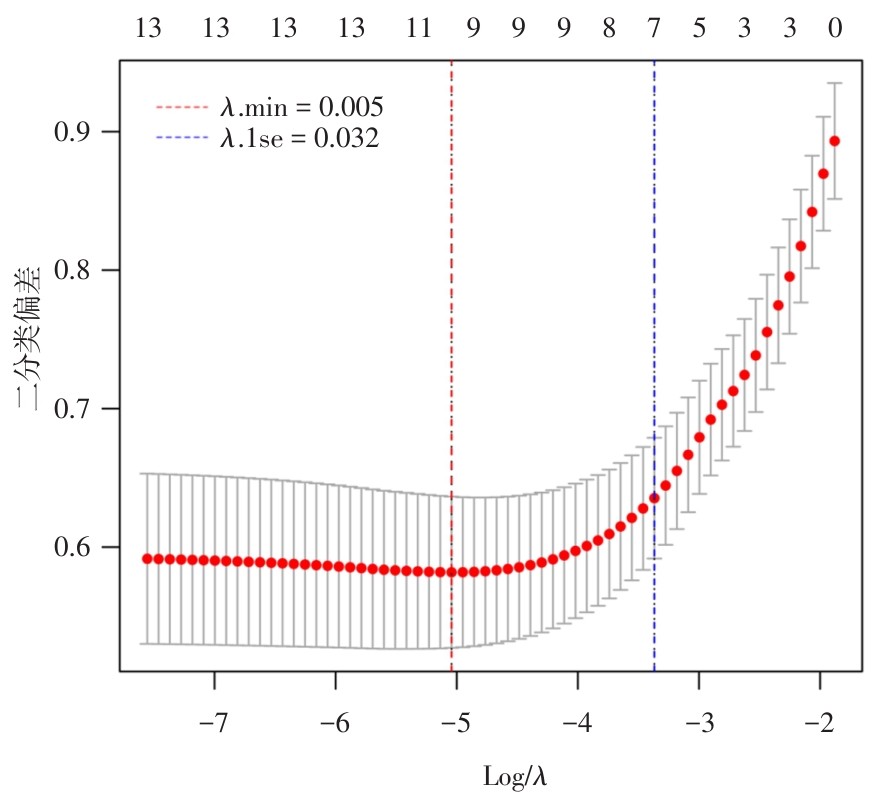
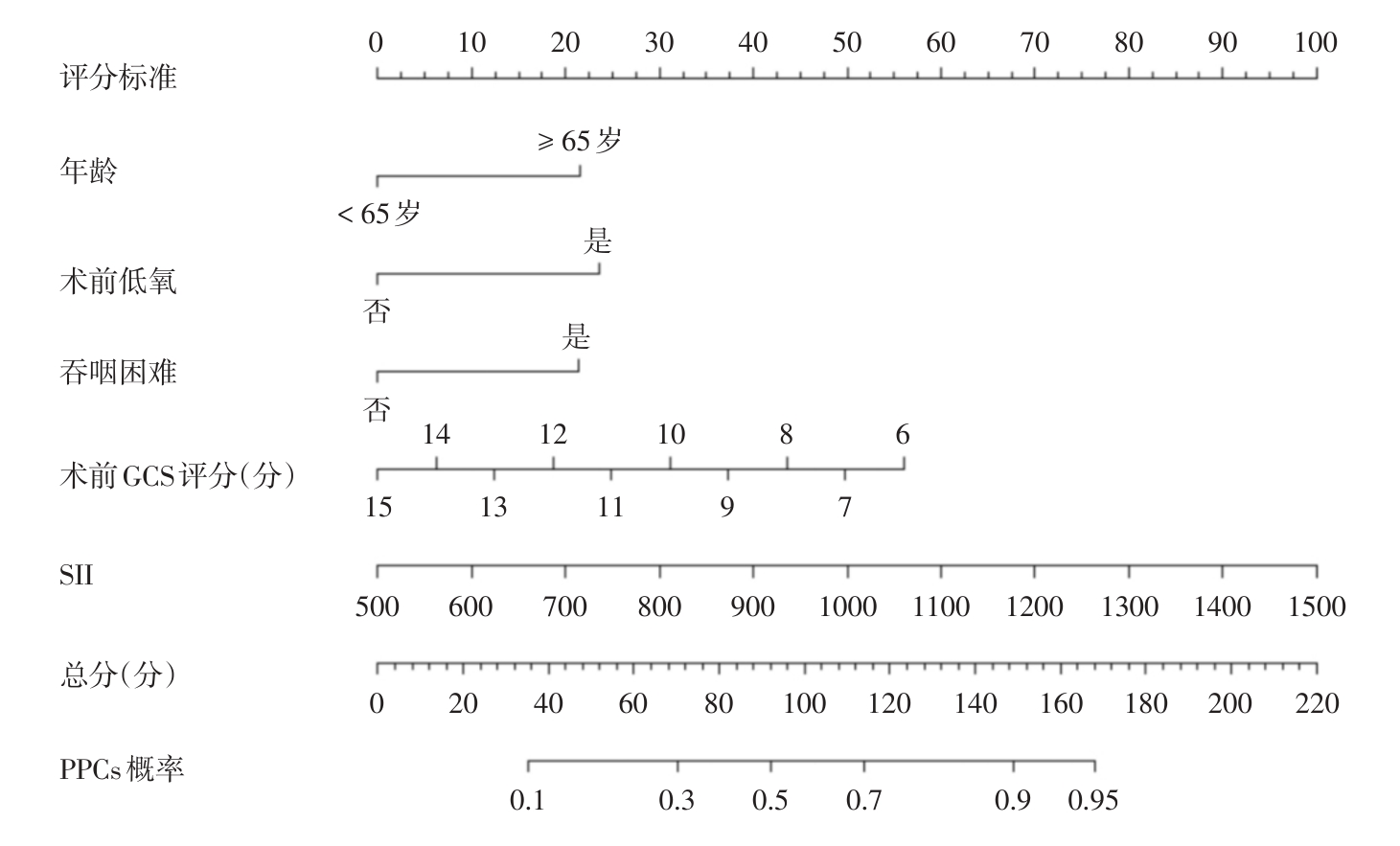
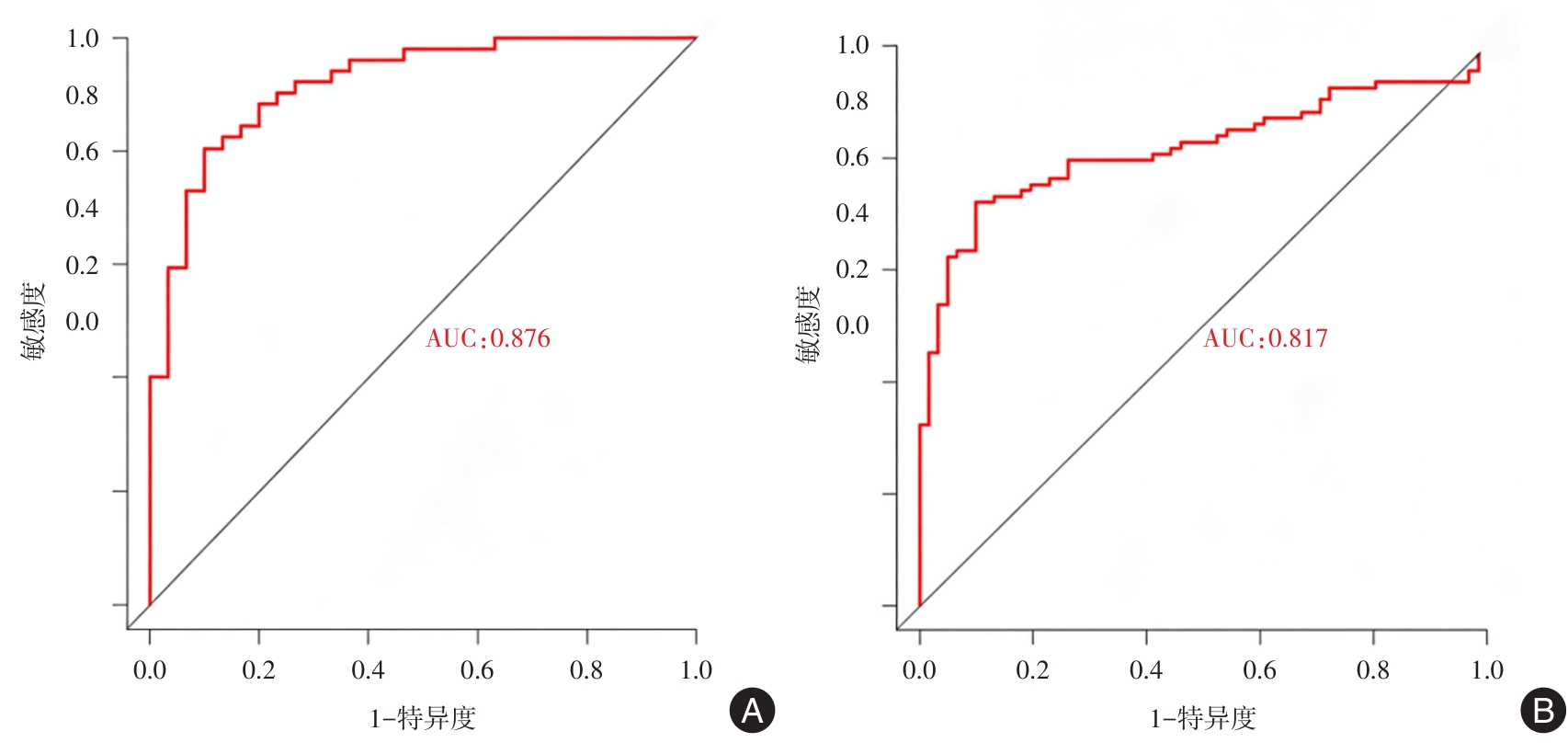
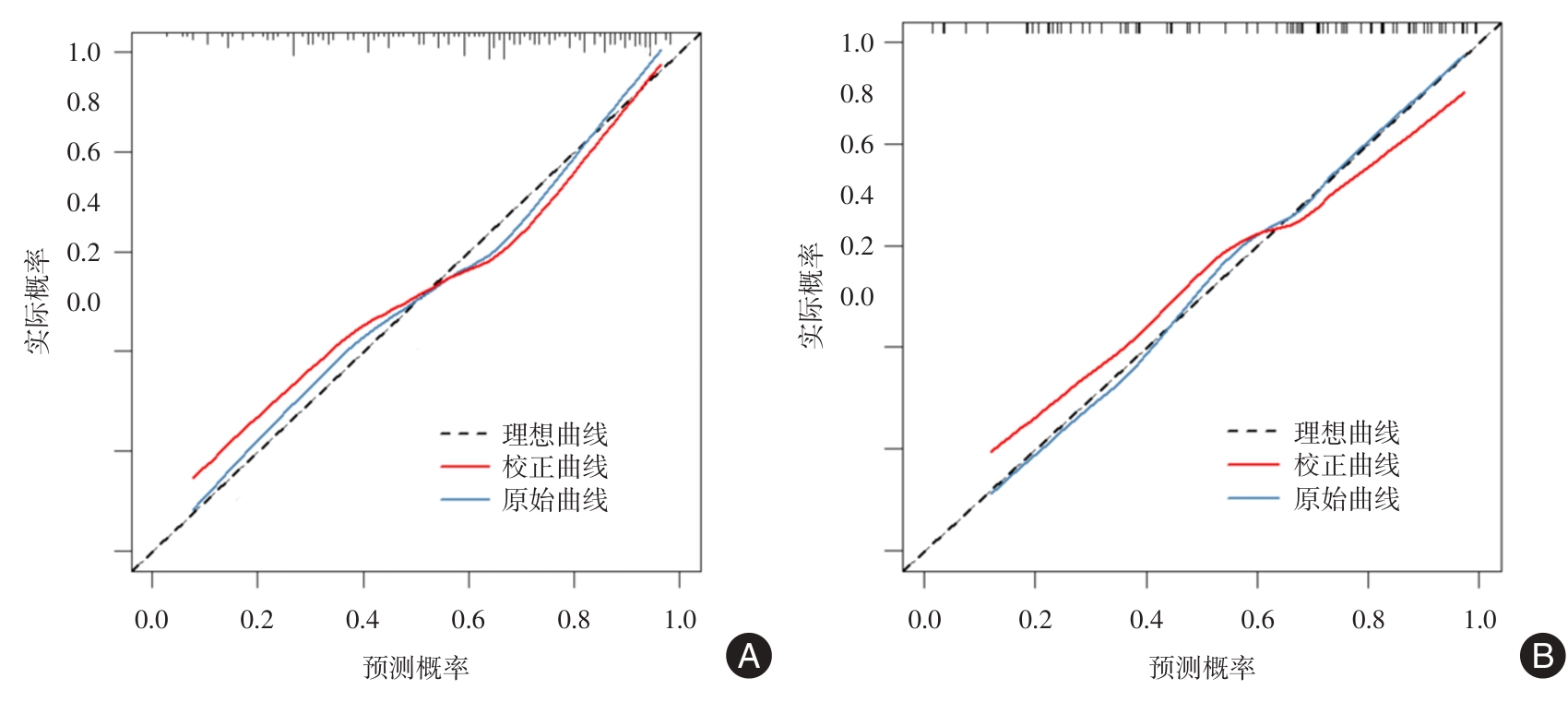
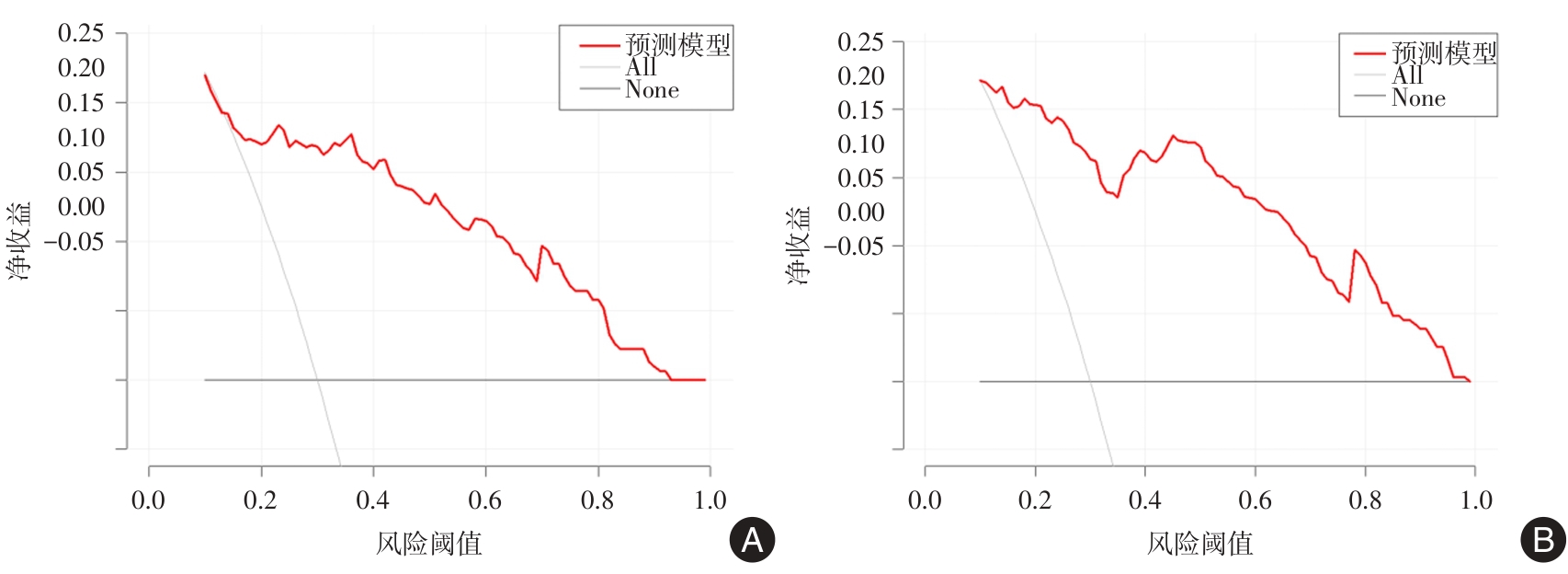
目的 构建并验证自发性脑出血患者开颅血肿清除术后发生术后肺部并发症(PPCs)的预测模型。 方法 回顾性选取2023年6月至2025年6月在南京医科大学附属脑科医院急诊行全身麻醉下开颅血肿清除术的自发性脑出血患者308例为训练集,另回顾性选取同时期南京市第一医院急诊行全身麻醉下开颅血肿清除术的自发性脑出血患者132例作为验证集。根据术后7 d内是否发生PPCs将患者分为两组:PPCs组和非PPCs组。采用LASSO回归和多因素logistic回归分析训练集,筛选危险因素并构建列线图预测模型。使用受试者工作特征(ROC)曲线及曲线下面积(AUC)、校准曲线、决策曲线(DCA)评价模型效能及临床适用性。 结果 本研究纳入440例患者,PPCs发生率为60.0%(264/440)。多因素logistic回归分析显示,年龄≥ 65岁、术前低氧、吞咽困难、GCS评分低及全身免疫炎症指数(SII)升高是自发性脑出血患者发生PPCs的独立危险因素(P < 0.05)。基于上述因素构建的列线图预测模型,训练集AUC为0.876(95%CI:0.793 ~ 0.958),敏感度91.3%,特异度66.7%;验证集AUC为0.817(95%CI:0.749 ~ 0.885),敏感度90.2%,特异度72.0%。校准曲线及Hosmer-Lemeshow检验(训练集:χ² = 2.621,P = 0.955;验证集:χ² = 2.212,P = 0.973)表明模型拟合良好。DCA显示训练集在阈值概率17% ~ 91%、验证集在16% ~ 99%范围内均具有正向净获益,提示模型具有良好的临床实用性。 结论 年龄≥ 65岁、术前低氧、吞咽困难、GCS评分低和SII升高是自发性脑出血患者发生PPCs的独立危险因素,基于此构建的列线图模型具有良好的预测效能及临床应用价值。

关键词: 脑出血, 列线图, 预测模型, 术后肺部并发症, 危险因素

Abstract:

Objective To construct and validate a predictive model for postoperative pulmonary complications (PPCs) following craniotomy in patients with spontaneous intracerebral hemorrhage (sICH). Methods A total of 308 sICH patients who underwent emergency craniotomy for hematoma evacuation under general anesthesia at Brain Hospital Affiliated to Nanjing Medical University from June 2023 to June 2025 were retrospectively enrolled as the training cohort. Additionally, 132 sICH patients who received the same surgical procedure at Nanjing First Hospital during the same period were included as the validation cohort. Patients were divided into PPCs and non-PPCs groups based on the occurrence of PPCs within 7 postoperative days. LASSO regression and multivariate Logistic regression were performed on the training cohort to screen risk factors and develop a nomogram prediction model. Model performance and clinical applicability were evaluated using receiver operating characteristic (ROC) curve and area under the curve (AUC), calibration curve, and decision curve analysis (DCA). Results This study enrolled 440 patients, with a PPCs incidence of 60.0% (264/440). Multivariate Logistic regression analysis identified age ≥ 65 years, preoperative hypoxemia, dysphagia, low Glasgow Coma Scale (GCS) score, and elevated systemic immune-inflammation index (SII) as independent risk factors for PPCs in sICH patients (all P < 0.05). The developed nomogram demonstrated an AUC of 0.876 (95%CI: 0.793 ⁃ 0.958) in the training cohort, with sensitivity of 91.3% and specificity of 66.7%; and an AUC of 0.817 (95%CI: 0.749 - 0.885) in the validation cohort, with sensitivity of 90.2% and specificity of 72.0%. Calibration curve and Hosmer-Lemeshow test (training cohort: χ² = 2.621, P = 0.955; validation cohort: χ² = 2.212, P = 0.973) indicated good model fit. DCA revealed positive net benefit within threshold probabilities of 17% ⁃ 91% in the training cohort and 16% ⁃ 99% in the validation cohort, suggesting favorable clinical utility. Conclusions Age ≥ 65 years, preoperative hypoxemia, dysphagia, low GCS score, and elevated SII are independent risk factors for PPCs in sICH patients. The nomogram model constructed based on these factors demonstrates good predictive performance and clinical application value.

Key words: intracerebral hemorrhage, nomogram, predictive model, postoperative pulmonary complications, risk factors

中图分类号: