

The Journal of Practical Medicine ›› 2026, Vol. 42 ›› Issue (17): 3177-3187.doi: 10.3969/j.issn.1006-5725.2026.17.017
• Treatise:Mechanism and Practice • Previous Articles Next Articles
Lei Shi1, Yucui Song2, Changsheng Wang1, Xinxin Liu1, Miao Chen1, Banghai Feng2( )
Received:2026-05-14
Online:2026-09-10
Published:2026-10-10
Contact:
Banghai Feng
About author:Shi Lei designed the study, performed the experiments and wrote the article. Song Yucui, Wang Changsheng and Liu Xinxin performed the experiments. Chen Miao and Feng Banghai revised the article. All authors read and approved the final manuscript as submitted.
CLC Number:
Lei Shi, Yucui Song, Changsheng Wang, Xinxin Liu, Miao Chen, Banghai Feng. Silencing LncRNA GAS5 inhibits hyperoxia-induced apoptosis of type Ⅱ alveolar epithelial cells via miR-21/PTEN Axis[J]. The Journal of Practical Medicine, 2026, 42(17): 3177-3187.
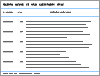
Tab.1
Primer sequences of target genes"
| 目的基因 | 引物序列 |
|---|---|
| GAS5 | Upstream:5'-GGGTCACCTCAAGTGAAGGC-3' Downstream:5'-CCATCCAGGCACCTCAGAAA-3' |
| miR-21 | Upstream:5'-GTACCACCTTGTCGGATAGCTT-3' Downstream:5'-ACCAAAATGTCAGACAGCCCA-3' |
| U6 | Upstream:5'-CTCGCTTCGGCAGCACA-3' Downstream:5'-AACGCTTCACGAATTTGCGT-3' |
| GAPDH | Upstream:5'-GGTGAAGGTCGGTGTGAACG-3' Downstream:5'-CTCGCTCCTGGAAGATGGTG-3' |
| [1] |
|
| [2] |
|
| [3] |
|
| [4] |
|
| [5] |
|
| [6] |
|
| [7] |
|
| [8] |
|
| [9] |
|
| [10] |
|
| [11] |
|
| [12] |
|
| [13] |
王太珊, 尹贵珍, 刘国跃. 非编码RNA在高氧性急性肺损伤中作用的研究进展[J]. 中华危重病急救医学, 2024, 36(4): 430-434. doi:10.3760/cma.j.cn121430-20230809-00597 .
|
| [14] |
石磊, 付豹, 何英, 等. lncRNA-GAS5/miRNA21 ceRNA调控网络在高氧性急性肺损伤发病过程中的作用研究[J]. 中国免疫学杂志, 2022, 38(18): 2200-2204. doi:10.3969/j.issn.1000-484X.2022.18.005 .
|
| [15] |
|
| [16] |
周先贵, 江雨薇, 刘鑫鑫, 等. 微小RNA-21-5p通过STAT3/P53/SLC7A11轴抑制铁死亡减轻高氧性急性肺损伤[J]. 陆军军医大学学报, 2025, 47(20): 2474-2482. doi:10.16016/j.2097-0927.202509017 .
|
| [17] |
冯帮海, 梅鸿, 刘鑫鑫, 等. 微小RNA-21-5p通过激活PI3K/Akt信号通路调控Ⅱ型肺泡上皮细胞凋亡减轻大鼠高氧性急性肺损伤[J]. 中华危重病急救医学, 2023, 35(2): 140-145. doi:10.3760/cma.j.cn121430-20220317-00259 .
|
| [18] |
冯帮海, 任颖聪, 袁平, 等. Ⅱ型肺泡上皮细胞来源外泌体miR-21-5p调控上皮钠离子通道减轻高氧性急性肺损伤[J]. 陆军军医大学学报, 2023, 45(21): 2222-2230. doi:10.16016/j.2097-0927.202212027 .
|
| [19] |
周先贵, 蒋艳, 韩梅, 等. miR21-5p靶向转录激活蛋白STAT3减轻高氧性急性肺损伤 [J]. 实用医学杂志, 2023, 39(1): 21-27.doi: 10.3969/j.issn.1006-5725.2023.01.004 .
|
| [20] |
王发辉, 邓青春, 林佳佳, 等. GATA3介导miR-21/PTEN轴对子宫内膜癌细胞增殖、侵袭的影响[J]. 实用医学杂志, 2024, 40(15): 2069-2074. doi:10.3969/j.issn.1006-5725.2024.15.005 .
|
| [21] |
|
| [22] |
|
| [23] |
|
| [24] |
|
| [25] |
|
| [26] |
|
| [27] |
|
| [28] |
|
| [29] |
|
| [30] |
|
| [31] |
梅鸿, 冯帮海, 刘君亚, 等. 信号转导和转录激活蛋白STAT1/3/5在高氧性急性肺损伤中的作用及机制研究[J]. 中华危重病急救医学, 2022, 34(6): 602-607. doi:10.3760/cma.j.cn121430-20220223-00170 .
|
| [32] |
|
| [33] |
|
| [34] |
|
| [35] |
|
| [36] |
|
| [37] |
|
| [38] |
|
| [39] |
|
| [40] |
|
| [41] |
|
| [42] |
|
| [43] |
|
| [1] | Xiaolu JIANG,Hongfu WEN,Yuan SHEN,Jun ZHANG,Lini LI,Renlu XU,Wen ZHANG,Xiaoming WANG,Yifei JI,Weidong LI. Mechanism of FBXL4 inhibiting oxidative stress and apoptosis, and preventing brain injury after cardiopulmonary resuscitation by regulating Drp1-mediated mitochondrial dynamics [J]. The Journal of Practical Medicine, 2026, 42(14): 2488-2504. |
| [2] | Yuancheng LIU,Chenglong HU,Wu ZHOU,Jingxin ZHANG,Qinglin ZHANG,Huali HU,Sixi WEI. Effect of NEDD4L on proliferation and apoptosis of acute myeloid leukemia cells via the Wnt/β-catenin pathway [J]. The Journal of Practical Medicine, 2026, 42(14): 2533-2541. |
| [3] | Lianpeng YANG,Ning DING,Ziqing WANG,Yining TIAN,Yichen WANG,Yideng JIANG,Guanjun LU. piR-13663072 inhibits homocysteine-induced podocyte apoptosis via regulating the Bcl-2/Bax-Caspase-3 signaling pathway [J]. The Journal of Practical Medicine, 2026, 42(14): 2577-2587. |
| [4] | Ran LI,Luyao WANG,Daiguo LU,Guihong WANG. Study on the expression of PYCARD, RANKL and CHI3L1 in the serum of patients with rheumatoid arthritis and their relationship with disease activity [J]. The Journal of Practical Medicine, 2026, 42(11): 1981-1986. |
| [5] | Yehuang WEI,Weiqiang TAN,Xiaoqian GONG,Rongrong WANG,Xudong LIU,Rong LIU. The effect of Qushi Huoxue decoction on the NF-κB/Bcl-2 pathway in metabolic dysfunction-associated steatotic liver disease mice [J]. The Journal of Practical Medicine, 2026, 42(10): 1787-1797. |
| [6] | Linsha KONG,Gaigai HE,Ting LI,Kun FANG,Wei HE,Li WEI. Experimental study of doxorubicin coated by magnetic drug⁃carrying gel beads in the treatment of colorectal cancer [J]. The Journal of Practical Medicine, 2025, 41(7): 953-959. |
| [7] | Meiyu GAN,Chunjiao WU,Jingyi QIN,Zuojie. LUO. The effect of vanadyl bis(acetylacetonato) on the proliferation and invasion of human adrenocortical carcinoma cells [J]. The Journal of Practical Medicine, 2025, 41(6): 781-789. |
| [8] | Wei WANG,Min WANG,Minmin CHENG,Tingting. ZHANG. Impacts of safflower polysaccharide on tumor growth and PI3K/Akt/mTOR signal pathway in mice with colorectal cancer [J]. The Journal of Practical Medicine, 2025, 41(5): 670-675. |
| [9] | Hongyan BIAN,Shu ZHANG,Shanshan MENG,Ying WEI. Effect of pomegranate peel polyphenols on the malignant biological behavior of colon cancer cells by regulating the miR⁃138⁃5p/HIF⁃1α pathway [J]. The Journal of Practical Medicine, 2025, 41(5): 676-682. |
| [10] | Huixia YANG,Ning DING,Runqiu MA,Guizhong LI,Yinju HAO,Shengchao MA,Yideng JIANG,Zhigang. BAI. Role and mechanism of circular RNA mmu_circ_0000818 in dexamethasone⁃induced apoptosis of MC3T3⁃E1 cells [J]. The Journal of Practical Medicine, 2025, 41(4): 478-489. |
| [11] | Zonglin LI,Chunlin FENG,Xin LIU,Xingming SHU,Min. SONG. CCCTC⁃binding factors promote the formation of oxaliplatin related gastric cancer drug-tolerant cells by resisting apoptosis [J]. The Journal of Practical Medicine, 2025, 41(4): 490-499. |
| [12] | Zhizhou XIAO,Ying HUANG,Huawei. BIAN. To investigate the effect of aloperine on bone metabolism in osteoporotic mice based on autophagy and apoptosis mediated by Wnt/β⁃catenin signaling pathway [J]. The Journal of Practical Medicine, 2025, 41(4): 500-508. |
| [13] | Yufen LU,Xiaoming ZHENG,Shaojuan WEI,Liqin CHEN,Tongtong XU,Xiangwei. LÜ. Effects of miR⁃483⁃3p on hypoxia/reoxygenation⁃induced apoptosis and pyroptosis in cardiomyocytes [J]. The Journal of Practical Medicine, 2025, 41(3): 339-346. |
| [14] | Yu LI,Yulan CHEN,Sinian LIAN,Hong. WANG. Chronic intermittent hypoxia induces hippocampal neuronal apoptosis by activating endoplasmic reticulum stress via calcium overload [J]. The Journal of Practical Medicine, 2025, 41(23): 3659-3665. |
| [15] | Jingyu LIU,Chenlu DAI,Min JI,Liping SU,Min LIANG,Ming CHENG,Xuanming LIU,Linlin ZHANG,Yujie GAO,Shaoshuai CHEN,Hongwei PU. Role of SPP1 and MYD88 in diacetylmorphine⁃induced apoptosis in cardiomyocytes [J]. The Journal of Practical Medicine, 2025, 41(22): 3510-3519. |
| Viewed | ||||||
|
Full text |
|
|||||
|
Abstract |
|
|||||
