

The Journal of Practical Medicine ›› 2026, Vol. 42 ›› Issue (14): 2588-2602.doi: 10.3969/j.issn.1006-5725.2026.14.012
• Treatise:Mechanism and Practice • Previous Articles
Yimin RAN1,Youli CHEN1,2,Xi ZENG1,Zhenglong TANG1,2( )
)
Received:2026-04-21
Online:2026-07-25
Published:2026-08-05
Contact:
Zhenglong TANG
E-mail:1985149363@qq.com
CLC Number:
Yimin RAN,Youli CHEN,Xi ZENG,Zhenglong TANG. Study on the effect of local application of parathyroid hormone accelerating tooth movement in rats through PKA/TRPV4 pathway in synergy with orthodontic force[J]. The Journal of Practical Medicine, 2026, 42(14): 2588-2602.
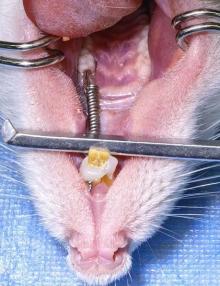
Fig.1
Maxillary orthodontic traction model in rats"
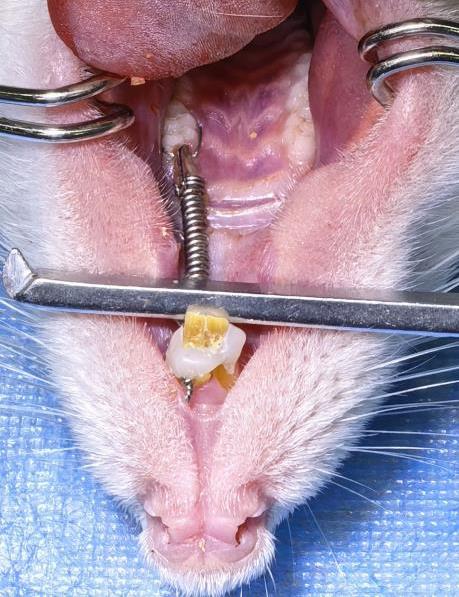
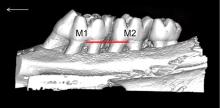
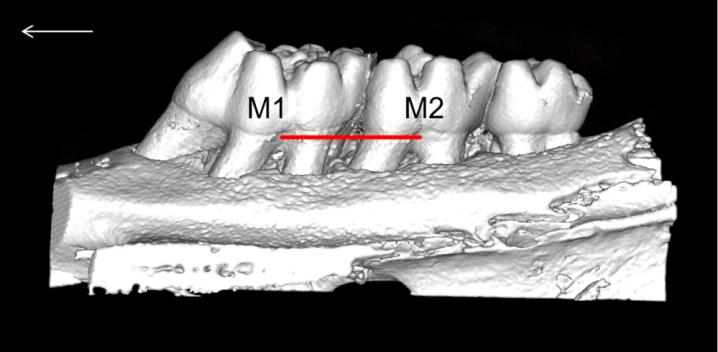
Fig.2
Three-dimensional reconstruction image of the maxillary orthodontic tooth movement model in rats"

Tab.1
Primer sequences"
| 引物名称 | 引物序列(5′→3′) |
|---|---|
| TRPV4 | F:GCACGCCACCCTACCCTTACC |
| R:CGCAGACACAACCACCAGCACT | |
| OPG | F:CTCCTGGTGTTCTTGGACATCATTG |
| R:GAGTAGTCAGGGCAAGGGACACAC | |
| RANKL | F:CACACCAAGGGACGACGGAATC |
| R:GGCAGCCACCACTACCACAGAGA | |
| PKA | F:TTCAGGTGACAGACTTCGGTTTTG |
| R:TTGTTGTAGCCTTTGCTCAGGATAAT | |
| GAPDH | F:TTCAGCTCTGGGATGACCTT |
| R:TGCCACTCAGAAGACTGTGG |
Tab.2
Primer sequence"
| 引物名称 | 引物序列(5′→3′) |
|---|---|
| TRPV4 | F:GCACGCCACCCTACCCTTACC |
| R:CGCAGACACAACCACCAGCACT | |
| OPG | F:CTCCTGGTGTTCTTGGACATCATTG |
| R:GAGTAGTCAGGGCAAGGGACACAC | |
| RANKL | F:CACACCAAGGGACGACGGAATC |
| R:GGCAGCCACCACTACCACAGAGA | |
| PKA | F:CTAAAGCAGATCGAGCACACTC |
| R:GCCACCAGCTACATACTCCA | |
| GAPDH | F:TTCAGCTCTGGGATGACCTT |
| R:TGCCACTCAGAAGACTGTGG |
Tab.3
Movement distance of orthodontic teeth in rats (n = 12) (x ± s)/mm"
| 组别 | OTM距离 |
|---|---|
| PTH组 | 0.03 ± 0.02 |
| OTM组 | 0.29 ± 0.02 # |
| OTM+PTH组 | 0.46 ± 0.08 #& |
| P值 | < 0.001 |
| F值 | 106.8 |
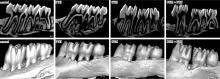
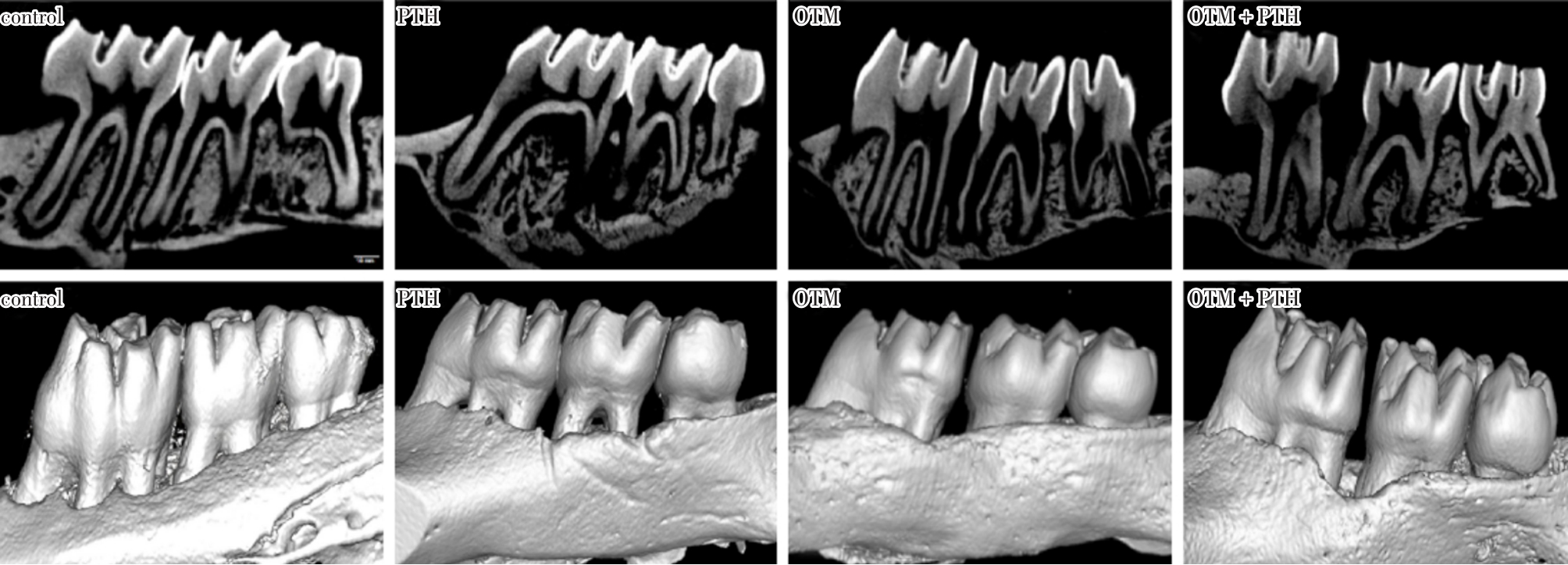
Fig.3
μCT and 3D scanning images of the maxilla after 10 days of orthodontic traction"
Tab.4
Measurement results of bone mineral density and bone volume on the pressure side of orthodontic teeth in each group of rats (n = 3)"
| 组别 | BV/TV/% | BMD/(mg/cm3) |
|---|---|---|
| PTH组 | 0.47 ± 0.03 | 533.59 ± 17.74 |
| OTM组 | 0.38 ± 0.02# | 387.63 ± 13.30# |
| OTM+PTH组 | 0.27 ± 0.05#& | 331.40 ± 15.20#& |
| P值 | 0.001 | < 0.001 |
| F值 | 25.07 | 135.6 |
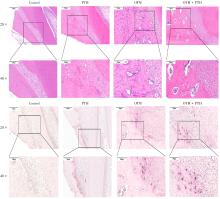
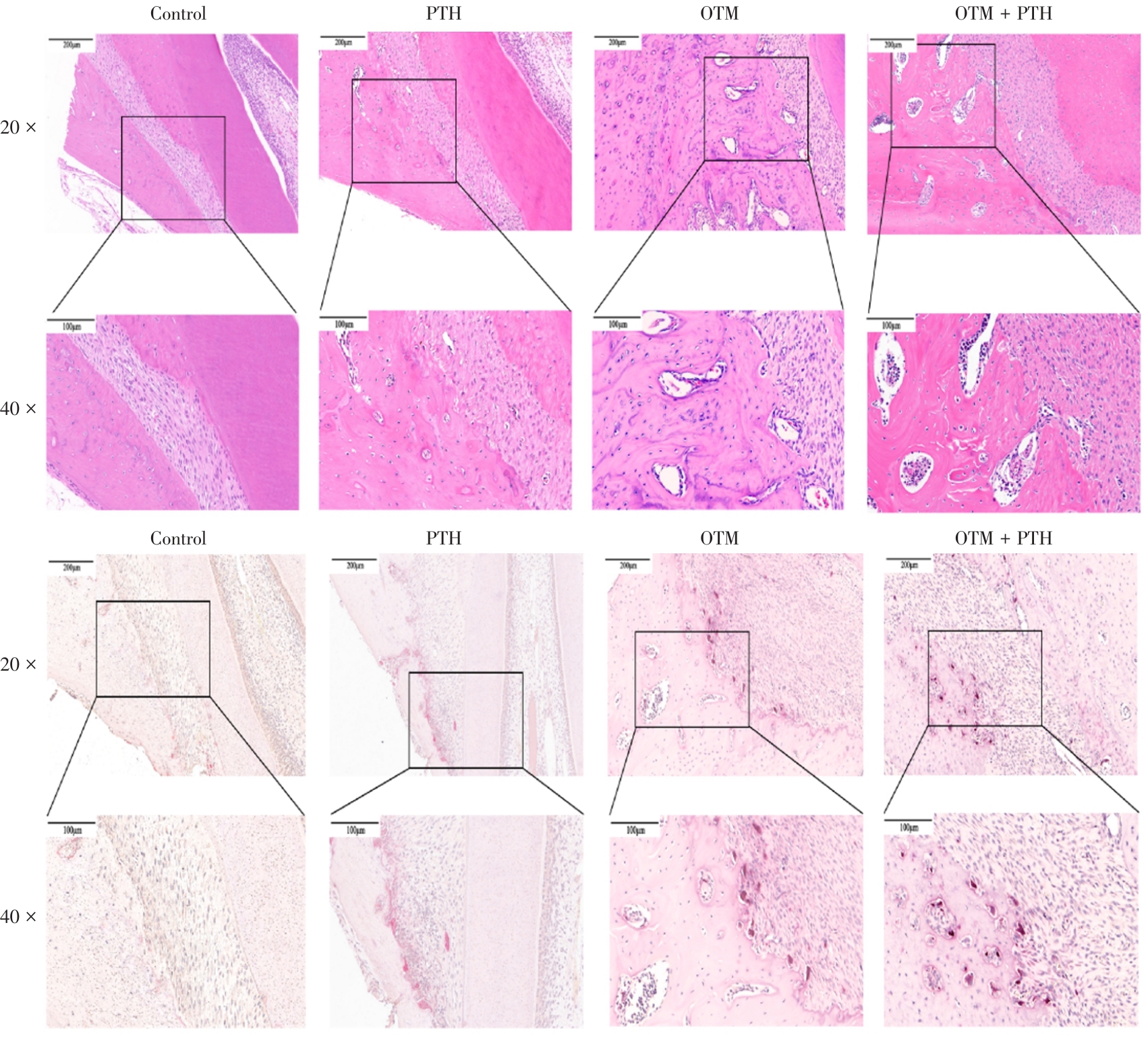
Fig.4
HE staining and TRAP staining of the bone tissue on the pressure side of the orthodontic tooth in rats"
Tab.5
Expression levels of TRPV4 and PKA mRNA in the stress-side bone tissue of rats in each group (n = 6)"
| 组别 | TRPV4 | PKA |
|---|---|---|
| Control组 | 1.00 ± 0.01 | 1.01 ± 0.01 |
| PTH组 | 1.33 ± 0.08 * | 2.18 ± 0.09 * |
| OTM组 | 1.77 ± 0.11 *# | 1.07 ± 0.11 *# |
| OTM+PTH组 | 2.33 ± 0.16 *#& | 3.32 ± 0.26 *#& |
| P值 | < 0.001 | < 0.001 |
| F值 | 91.02 | 169.4 |
Tab. 6
Expression levels of TRPV4 and p-PKA/PKA in the stress-side bone tissue of rats in each group (n = 6)"
| 组别 | TRPV4 | p-PKA/PKA |
|---|---|---|
| Control组 | 0.63 ± 0.08 | 0.48 ± 0.01 |
| PTH组 | 0.69 ± 0.04 | 0.98 ± 0.02 * |
| OTM组 | 0.84 ± 0.03 *# | 0.83 ± 0.06 *# |
| OTM+PTH组 | 0.97 ± 0.04 *#& | 1.11 ± 0.02 *#& |
| P值 | < 0.001 | < 0.001 |
| F值 | 27.03 | 215.3 |
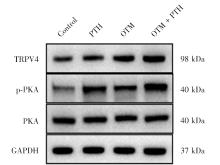
Fig.5
Band patterns of TRPV4, p-PKA, and PKA inthe bone tissue of the stressed side in each group of rats"
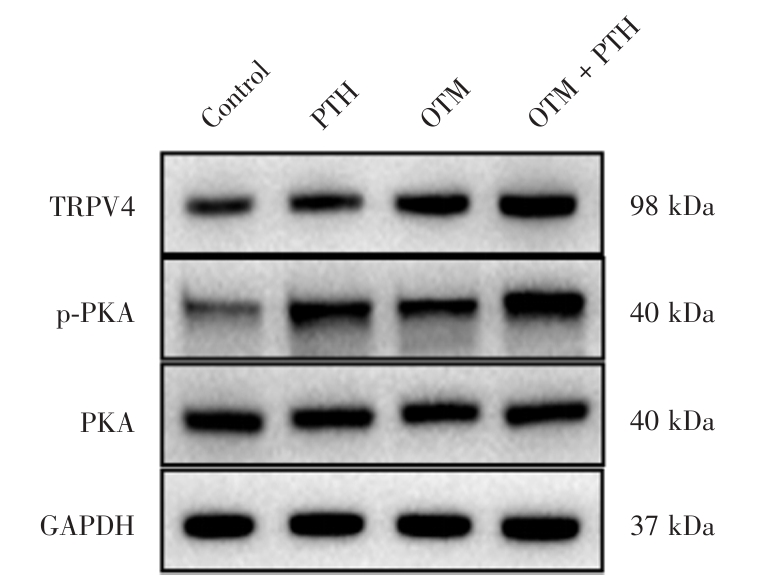
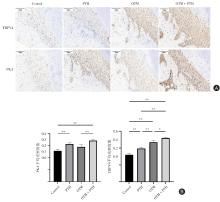
Fig.6
Immunohistochemical staining observation of TRPV4 and PKA expression in rat periodontal tissues"
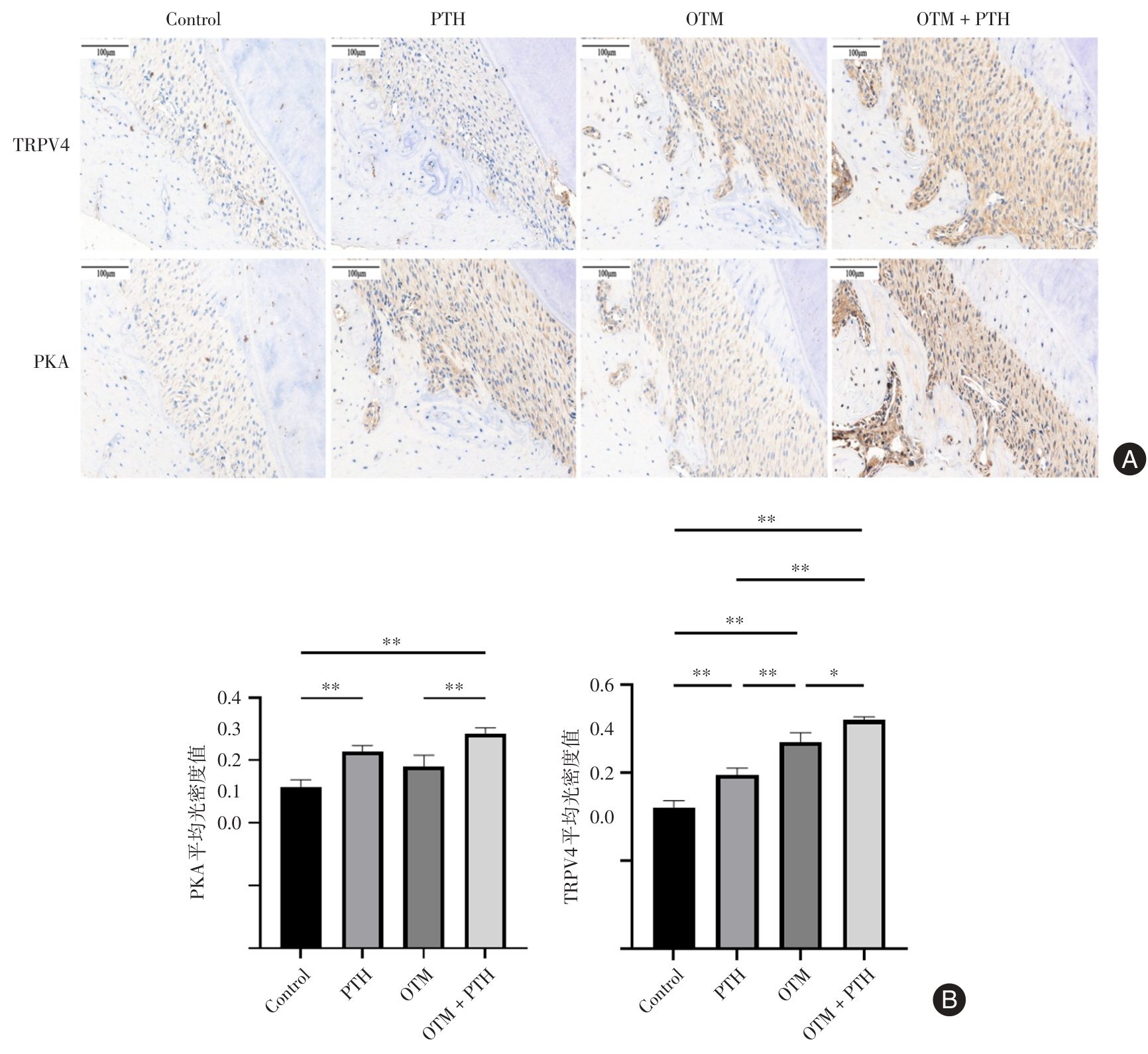
Fig.7
Immunofluorescence staining observation of TRPV4 and PKA expression in rat periodontal tissues"
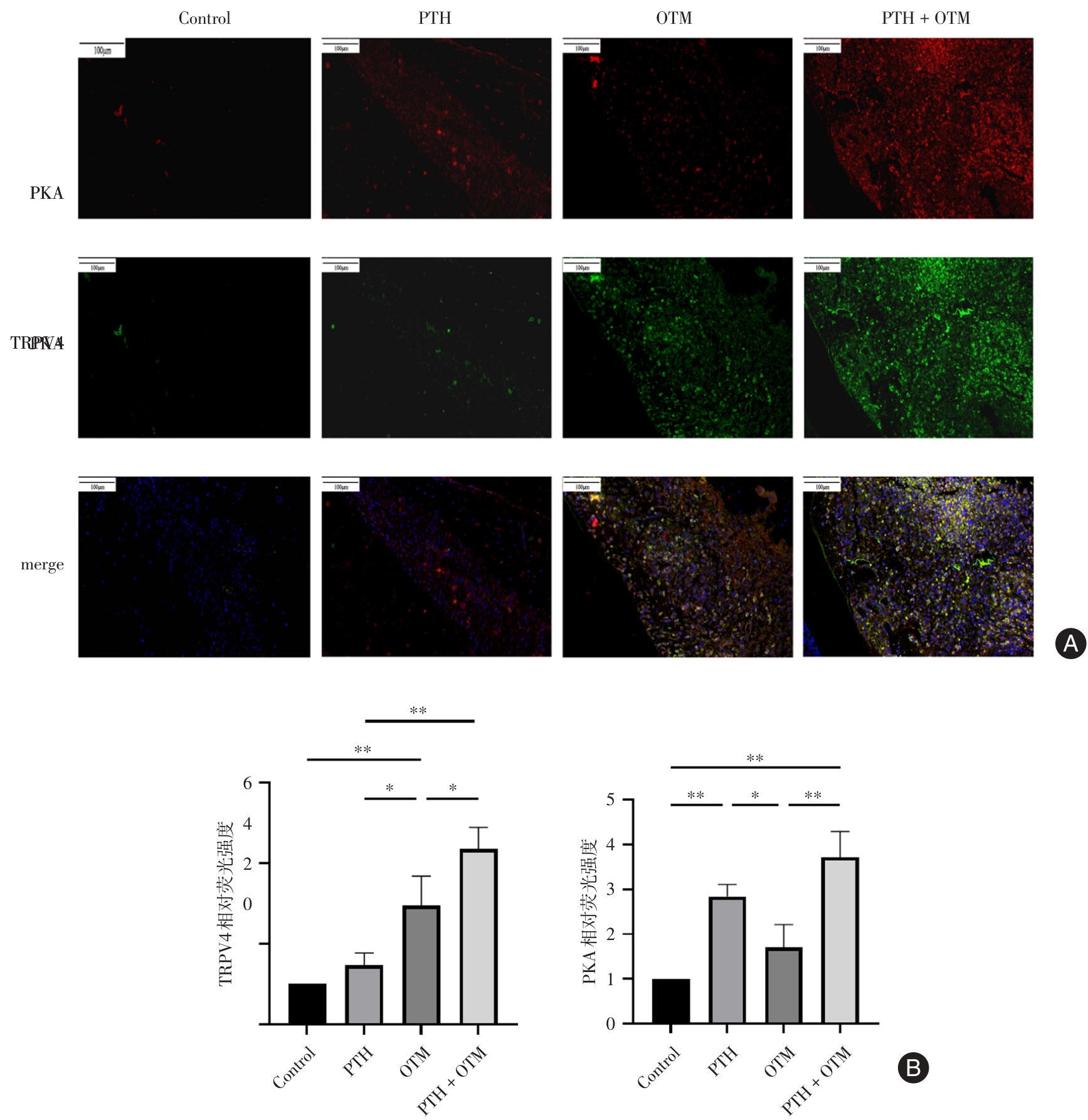
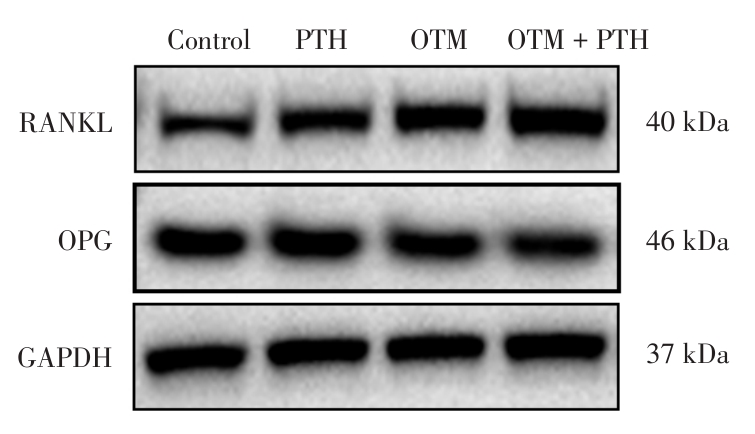
Fig.8
RANKL and OPG band patterns in the bone tissue of the stressed side in each group of rats"
Tab.7
Expression levels of RANKL/OPG protein and mRNA ratios in the stress-side bone tissue of rats across groups(n = 6) x ± s"
| 组别 | RANKL/ OPG蛋白比值 | RANKL/ OPG mRNA比值 |
|---|---|---|
| Control组 | 0.06 ± 0.02 | 1.01 ± 0.01 |
| PTH组 | 0.69 ± 0.06 | 1.13 ± 0.25 |
| OTM组 | 0.90 ± 0.04 *# | 3.54 ± 0.19 *# |
| OTM+PTH组 | 1.04 ± 0.03*#& | 7.32 ± 1.21 *#& |
| P值 | < 0.001 | < 0.001 |
| F值 | 72.30 | 333.3 |
Fig.9
Microscopic observation of RAW264.7 osteoclasts"
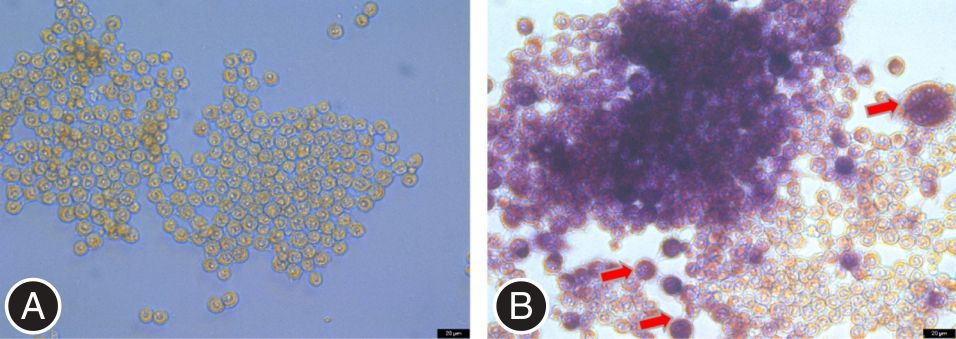
Fig.10
RAW264.7 osteoclast-induced TRAP staining"
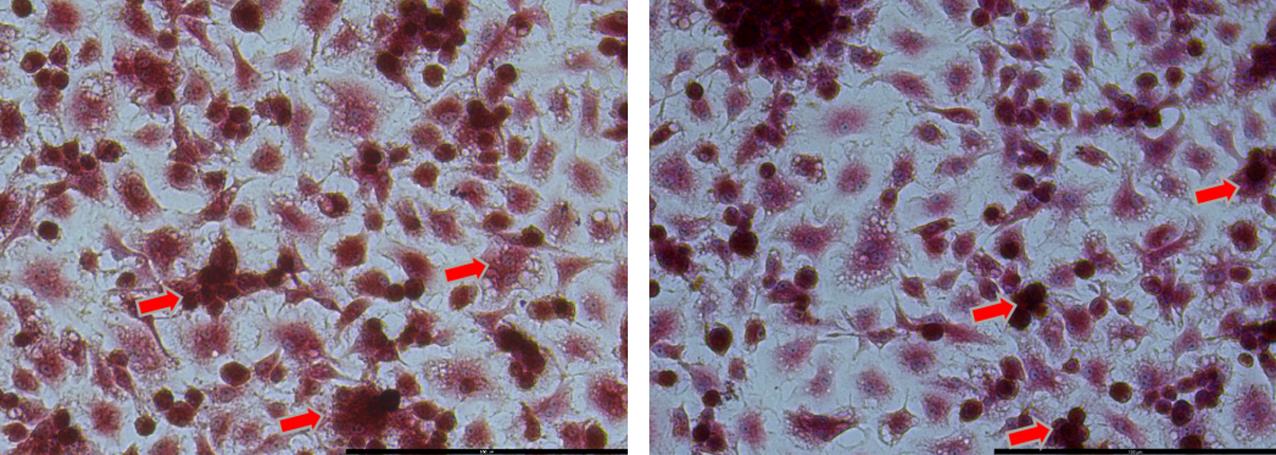
Fig.11
Regulatory effects of PTH combined with TRPV4 agonists on PKA/TRPV4 signaling pathwayand related factors in vitro RAW264.7 cells"
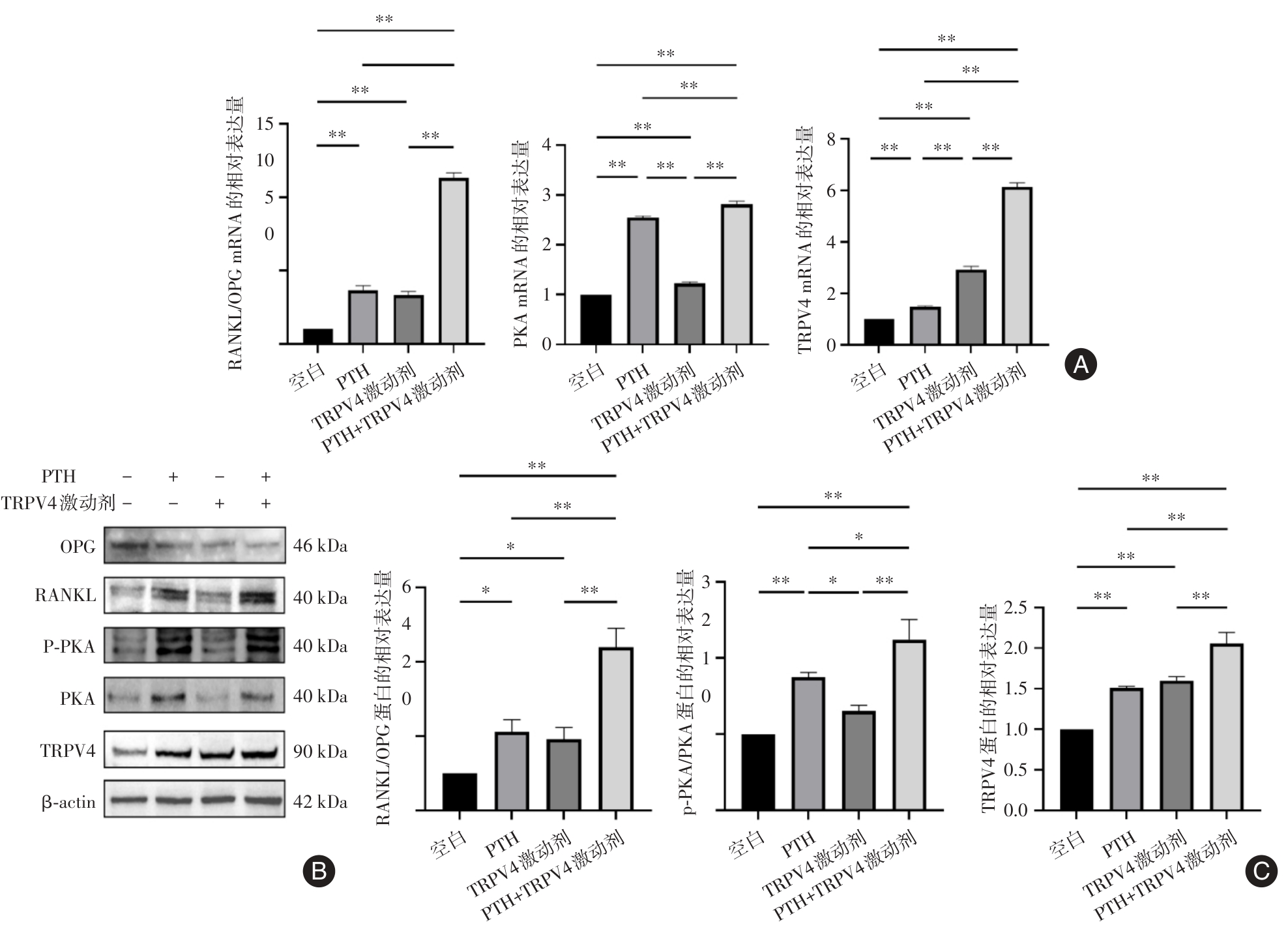
Fig.12
Effects of TRPV4 inhibitors on PKA/TRPV4 signaling pathway-associated factors in RAW264.7 cells regulated by PTH"
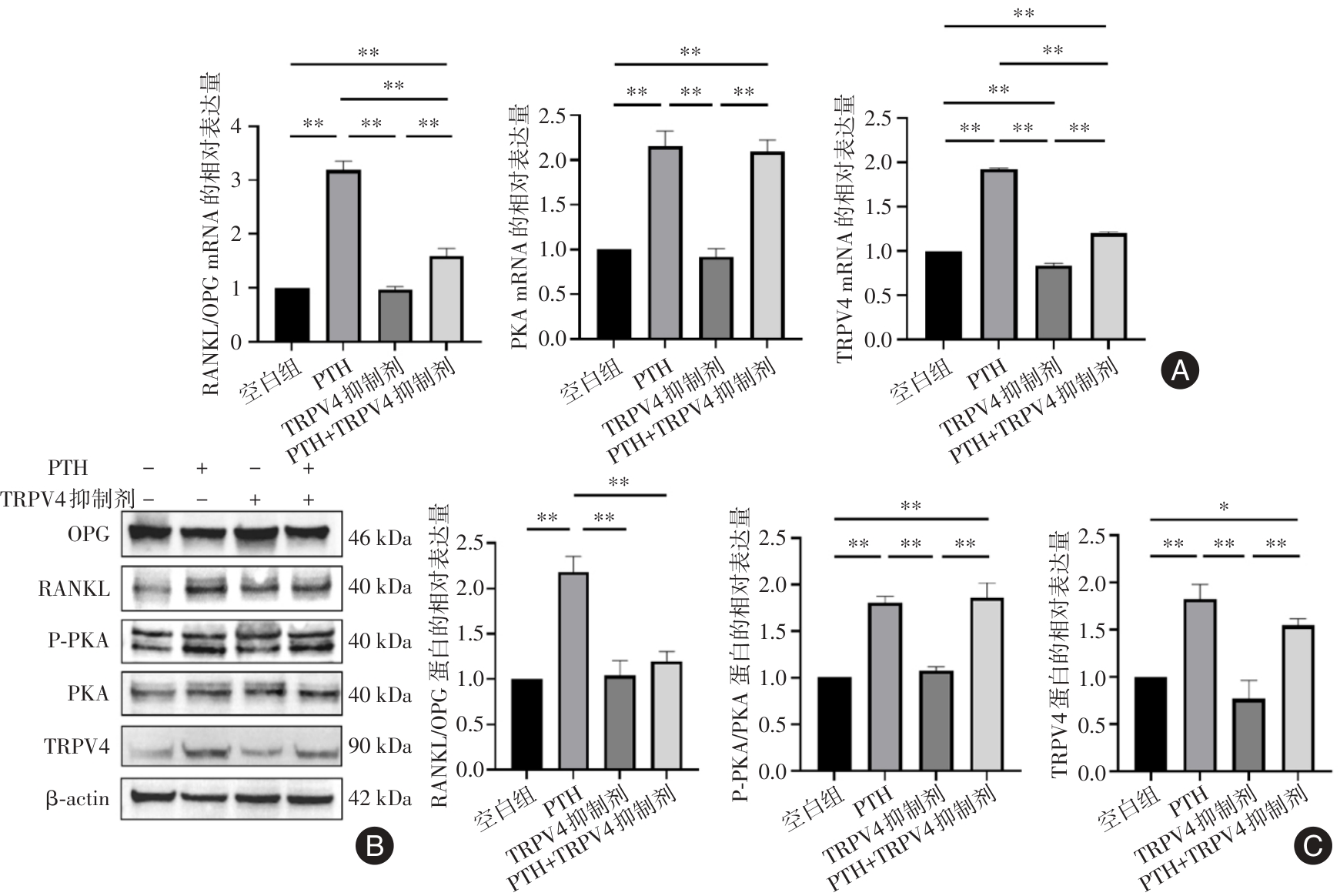
Fig.13
The stimulatory effect of TPKA agonists on PTH-mediated regulation of PKA/TRPV4 signaling pathwayand osteoclast differentiation in RAW264.7 cells"
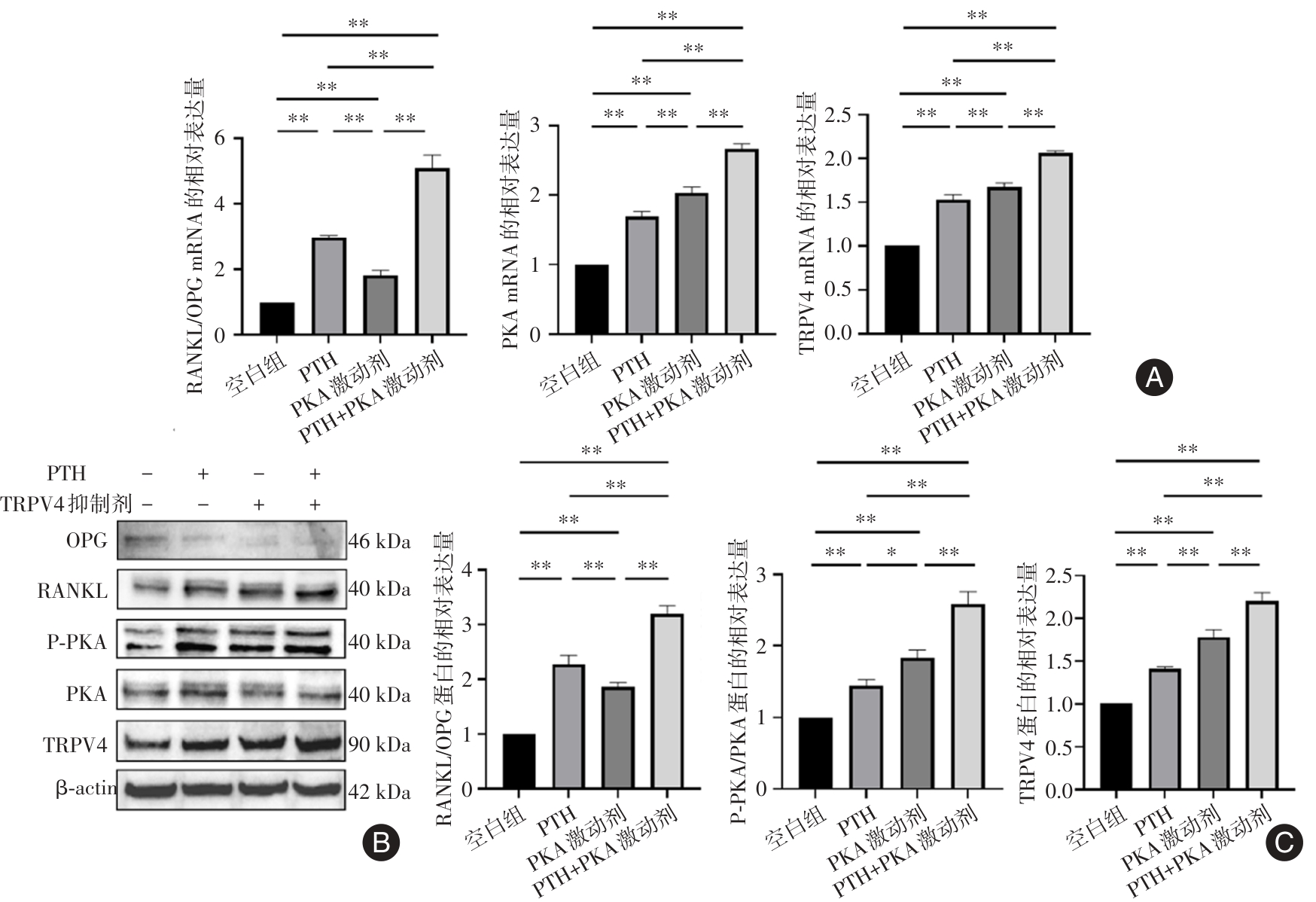
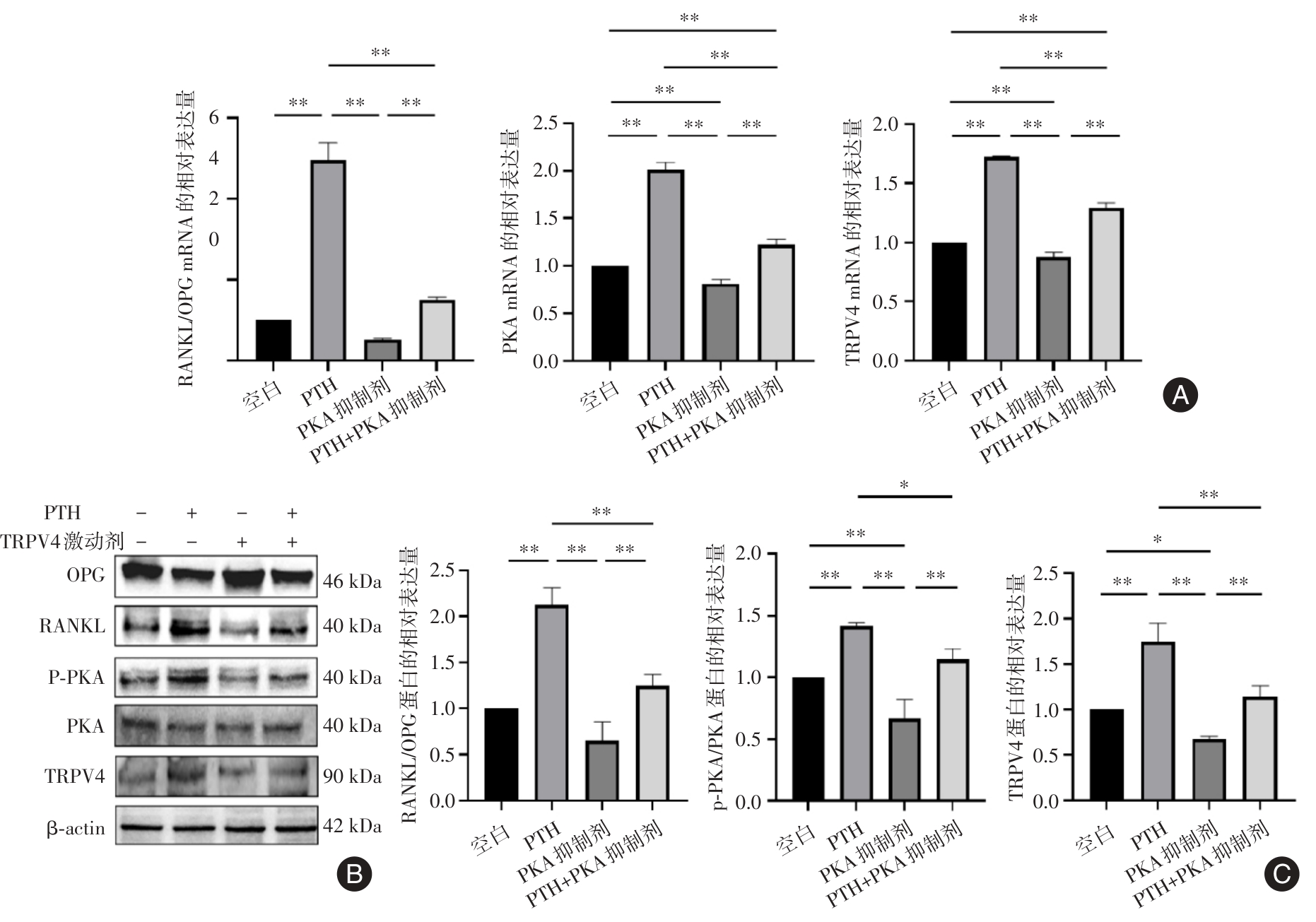
Fig.14
Effects of PKA inhibitors on PKA/TRPV4 signaling pathway-related factors in PTH-regulated RAW264.7 cells"
| [1] |
SENDYK M, CEVIDANES L H S, DE OLIVEIRA RUELLAS A C, et al. Three-dimensional evaluation of dental decompensation and mandibular symphysis remodeling on orthodontic-surgical treatment of Class III malocclusion[J]. Am J Orthod Dentofac Orthop, 2021, 159(2): 175-183.e3. doi:10.1016/j.ajodo.2019. 12.020 .
doi: 10.1016/j.ajodo.2019. 12.020 |
| [2] |
COFFEY D, NEEDHAM R. What are the limits of orthodontic treatment before surgical intervention is required?[J]. Br J Oral Maxillofac Surg, 2026, 64(2): 118-125. doi:10.1016/j.bjoms.2025. 07.008 .
doi: 10.1016/j.bjoms.2025. 07.008 |
| [3] |
CAĞLAROĞLU M, ERDEM A. Histopathologic investigation of the effects of prostaglandin E2 administered by different methods on tooth movement and bone metabolism[J]. Korean J Orthod, 2012, 42(3): 118. doi:10.4041/kjod.2012.42.3.118 .
doi: 10.4041/kjod.2012.42.3.118 |
| [4] |
MCGORRAY S P, DOLCE C, KRAMER S, et al. A randomized, placebo-controlled clinical trial on the effects of recombinant human relaxin on tooth movement and short-term stability[J]. Am J Orthod Dentofac Orthop, 2012, 141(2): 196-203. doi:10.1016/j.ajodo.2011.07.024 .
doi: 10.1016/j.ajodo.2011.07.024 |
| [5] |
WISE G E, KING G J. Mechanisms of tooth eruption and orthodontic tooth movement[J]. J Dent Res, 2008, 87(5): 414-434. doi:10.1177/154405910808700509 .
doi: 10.1177/154405910808700509 |
| [6] |
ALSHAMMARI A K, SIDDIQUI A A, SHAMMARY N H AL, et al. Assessment of perception and barriers toward orthodontic treatment needs in the Saudi Arabian adult population[J]. Healthcare, 2022, 10(12): 2488. doi:10.3390/healthcare10122488 .
doi: 10.3390/healthcare10122488 |
| [7] |
AREF S, RAVURI P, KUBAVAT A K, et al. Comparative analysis of braces and aligners: Long-term orthodontic outcomes[J]. J Pharm Bioallied Sci, 2024, 16(): S2385-S2387. doi:10.4103/jpbs.jpbs_268_24 .
doi: 10.4103/jpbs.jpbs_268_24 |
| [8] |
ADARSH K, KAUR H, RAI S, et al. Assessment of outcomes in patients who underwent traditional and advanced orthodontic treatment: A comparative study[J]. J Pharm Bioallied Sci, 2025, 17(): S3527-S3529. doi:10.4103/jpbs.jpbs_345_25 .
doi: 10.4103/jpbs.jpbs_345_25 |
| [9] |
CHEN T, WANG Y, HAO Z, et al. Parathyroid hormone and its related peptides in bone metabolism[J]. Biochem Pharmacol, 2021, 192: 114669. doi:10.1016/j.bcp.2021.114669 .
doi: 10.1016/j.bcp.2021.114669 |
| [10] |
HENNEMAN S, VON DEN HOFF J W, MALTHA J C. Mechanobiology of tooth movement[J]. Eur J Orthod, 2008, 30(3): 299-306. doi:10.1093/ejo/cjn020 .
doi: 10.1093/ejo/cjn020 |
| [11] |
LI H, ZHANG R. The role of calcium ions and the transient receptor potential vanilloid (TRPV) channel in bone remodelling and orthodontic tooth movement[J]. Mol Biol Rep, 2025, 52(1): 297. doi:10.1007/s11033-025-10399-1 .
doi: 10.1007/s11033-025-10399-1 |
| [12] |
郑初蕾, 章文斌, 胡苏皖, 等. 右美托咪定辅助脑深部电刺激术对老年帕金森病患者cAMP/PKA信号通路的影响[J]. 实用医学杂志, 2026, 42(4): 579-587. doi:10.3969/j.issn.1006-5725.2026.04.006 .
doi: 10.3969/j.issn.1006-5725.2026.04.006 |
| [13] |
MARTIN T J, SIMS N A, SEEMAN E. Physiological and pharmacological roles of PTH and PTHrP in bone using their shared receptor, PTH1R[J]. Endocr Rev, 2021, 42(4): 383-406. doi:10.1210/endrev/bnab005 .
doi: 10.1210/endrev/bnab005 |
| [14] |
MASUYAMA R, MIZUNO A, KOMORI H, et al. Calcium/calmodulin-signaling supports TRPV4 activation in osteoclasts and regulates bone mass[J]. J Bone Miner Res, 2012, 27(8): 1708-1721. doi:10.1002/jbmr.1629 .
doi: 10.1002/jbmr.1629 |
| [15] |
GU S, DUANWANG Y, ZHAO Y, et al. Mechanobiological response of osteocyte TRPV4 base on the piezoelectricity of bone matrix[J]. Ann Biomed Eng, 2026. doi:10.1007/s10439-026-04086-w .
doi: 10.1007/s10439-026-04086-w |
| [16] |
WANG X, HUANG M, TANG Y, et al. Hypotonic stimuli promote osteocyte dendrite formation by modulating actin dynamics via the TRPV4-CDC42 signaling pathway[J]. Mater Today Bio, 2025, 34: 102120. doi:10.1016/j.mtbio.2025.102120 .
doi: 10.1016/j.mtbio.2025.102120 |
| [17] |
吴智鹏, 张钰琴, 王明刚, 等. 瞬时受体电位信号通路在肝细胞癌中的表达及生物学功能[J]. 实用医学杂志, 2024, 40(6): 743-747. doi: 10.3969/j.issn.1006-5725.2024.06.003 .
doi: 10.3969/j.issn.1006-5725.2024.06.003 |
| [18] |
PENG H, LEWANDROWSKI U, MÜLLER B, et al. Identification of a Protein Kinase C-dependent phosphorylation site involved in sensitization of TRPV4 channel[J]. Biochem Biophys Res Commun, 2010, 391(4): 1721-1725. doi:10.1016/j.bbrc.2009.12.140 .
doi: 10.1016/j.bbrc.2009.12.140 |
| [19] |
XU W, HUANG X, WU X. The effect of acute hypoxic exercise on the protein kinase A/arachidonic acid/transient receptor potential vanilloid 4 pathway in the prefrontal cortex of rats[J]. Arch Biochem Biophys, 2025, 763: 110214. doi:10.1016/j.abb.2024. 110214 .
doi: 10.1016/j.abb.2024. 110214 |
| [20] |
LU W, LI X, YANG Y, et al. PTH/PTHrP in controlled release hydrogel enhances orthodontic tooth movement by regulating periodontal bone remodaling[J]. J Periodontal Res, 2021, 56(5): 885-896. doi:10.1111/jre.12885 .
doi: 10.1111/jre.12885 |
| [21] |
CAO H, KOU X, YANG R, et al. Force-induced Adrb2 in periodontal ligament cells promotes tooth movement[J]. J Dent Res, 2014, 93(11): 1163-1169. doi:10.1177/0022034514551769 .
doi: 10.1177/0022034514551769 |
| [22] |
DUNN M D, PARK C H, KOSTENUIK P J, et al. Local delivery of osteoprotegerin inhibits mechanically mediated bone modeling in orthodontic tooth movement[J]. Bone, 2007, 41(3): 446-455. doi:10.1016/j.bone.2007.04.194 .
doi: 10.1016/j.bone.2007.04.194 |
| [23] |
HE D, LIU F, CUI S, et al. Mechanical load-induced H2S production by periodontal ligament stem cells activates M1 macrophages to promote bone remodeling and tooth movement via STAT1[J]. Stem Cell Res Ther, 2020, 11(1): 112. doi:10.1186/s13287-020-01607-9 .
doi: 10.1186/s13287-020-01607-9 |
| [24] |
LU W, ZHANG X, FIRTH F, et al. Sclerostin injection enhances orthodontic tooth movement in rats[J]. Arch Oral Biol, 2019, 99: 43-50. doi:10.1016/j.archoralbio.2018.12.011 .
doi: 10.1016/j.archoralbio.2018.12.011 |
| [25] |
LI Y, JACOX L A, COATS S, et al. Roles of autophagy in orthodontic tooth movement[J]. Am J Orthod Dentofac Orthop, 2021, 159(5): 582-593. doi:10.1016/j.ajodo.2020.01.027 .
doi: 10.1016/j.ajodo.2020.01.027 |
| [26] |
KAU C H, SOH J, CHRISTOU T, et al. Orthodontic aligners: Current perspectives for the modern orthodontic office[J]. Medicina, 2023, 59(10): 1773. doi:10.3390/medicina59101773 .
doi: 10.3390/medicina59101773 |
| [27] |
WOLF M, LOSSDÖRFER S, ABUDUWALI N, et al. Potential role of high mobility group box protein 1 and intermittent PTH (1⁃34) in periodontal tissue repair following orthodontic tooth movement in rats[J]. Clin Oral Investig, 2013, 17(3): 989-997. doi:10.1007/s00784-012-0777-2 .
doi: 10.1007/s00784-012-0777-2 |
| [28] |
ZHANG C, LI T, ZHOU C, et al. Parathyroid hormone increases alveolar bone homoeostasis during orthodontic tooth movement in rats with periodontitis via crosstalk between STAT3 and β-catenin[J]. Int J Oral Sci, 2020, 12: 38. doi:10.1038/s41368-020-00104-2 .
doi: 10.1038/s41368-020-00104-2 |
| [29] |
WU X, CHEN X, LU Y, et al. Parathyroid hormone modulates alveolar bone metabolism via inducing periodontal ligament stem cells aerobic glycolysis[J]. Int Dent J, 2026, 76(4): 109572. doi:10.1016/j.identj.2026.109572 .
doi: 10.1016/j.identj.2026.109572 |
| [30] |
CHEONG V S, ROBERTS B C, KADIRKAMANATHAN V, et al. Positive interactions of mechanical loading and PTH treatments on spatio-temporal bone remodelling[J]. Acta Biomater, 2021, 136: 291-305. doi:10.1016/j.actbio.2021.09.035 .
doi: 10.1016/j.actbio.2021.09.035 |
| [31] |
SCHULTE F A, MARQUES F C, GRIESBACH J K, et al. Combined physical and pharmacological anabolic osteoporosis therapies increase bone response and mechanoregulation in female mice[J]. Nat Commun, 2026, 17: 3759. doi:10.1038/s41467-026-70309-2 .
doi: 10.1038/s41467-026-70309-2 |
| [32] |
JIN S S, HE D Q, WANG Y, et al. Mechanical force modulates periodontal ligament stem cell characteristics during bone remodelling via TRPV4[J]. Cell Prolif, 2020, 53(10): e12912. doi:10.1111/cpr.12912 .
doi: 10.1111/cpr.12912 |
| [33] |
SHEN Y, PAN Y, GUO S, et al. The roles of mechanosensitive ion channels and associated downstream MAPK signaling pathways in PDLC mechanotransduction[J]. Mol Med Report, 2020: 2113-2122. doi:10.3892/mmr.2020.11006 .
doi: 10.3892/mmr.2020.11006 |
| [34] |
MARTIN T J. PTH1R actions on bone using the cAMP/protein kinase a pathway[J]. Front Endocrinol, 2022, 12: 833221. doi:10.3389/fendo.2021.833221 .
doi: 10.3389/fendo.2021.833221 |
| [35] |
VAN GOOR M K, VERKAART S, VAN DAM T J, et al. Interspecies differences in PTH-mediated PKA phosphorylation of the epithelial calcium channel TRPV5[J]. Pflügers Arch Eur J Physiol, 2017, 469(10): 1301-1311. doi:10.1007/s00424-017-1996-9 .
doi: 10.1007/s00424-017-1996-9 |
| [36] |
RICARTE F R, LE HENAFF C, KOLUPAEVA V G, et al. Parathyroid hormone(1-34) and its analogs differentially modulate osteoblastic Rankl expression via PKA/SIK2/SIK3 and PP1/PP2A-CRTC3 signaling[J]. J Biol Chem, 2018, 293(52): 20200-20213. doi:10.1074/jbc.RA118.004751 .
doi: 10.1074/jbc.RA118.004751 |
| [37] |
DOUGUET D, HONORÉ E. Mammalian mechanoelectrical transduction: Structure and function of force-gated ion channels[J]. Cell, 2019, 179(2): 340-354. doi:10.1016/j.cell.2019.08.049 .
doi: 10.1016/j.cell.2019.08.049 |
| [38] |
EL-MASRI B M, ANDREASEN C M, LAURSEN K S, et al. Mapping RANKL- and OPG-expressing cells in bone tissue: The bone surface cells as activators of osteoclastogenesis and promoters of the denosumab rebound effect[J]. Bone Res, 2024, 12: 62. doi:10.1038/s41413-024-00362-4 .
doi: 10.1038/s41413-024-00362-4 |
| [39] |
HOOSHIAR S H, TOBEIHA M, JAFARNEJAD S. Soy isoflavones and bone health: Focus on the RANKL/RANK/OPG pathway[J]. BioMed Res Int, 2022, 2022: 8862278. doi:10.1155/2022/8862278 .
doi: 10.1155/2022/8862278 |
| [1] | Yang LIU,Changbo CHENG,Hongduo LU,Benlu CHEN,Zhiwen CHEN,Zhenqiu CHEN,Yinuo FAN. Research progress on immune cells and related cytokines mediated imbalance of bone homeostasis and its roles in bone-related diseases [J]. The Journal of Practical Medicine, 2026, 42(2): 276-284. |
| [2] | Guyue ZHANG,Ge ZHANG,Hui WANG. Effect of Jiawei Yanghe decoction on serum Wnt-3α, OSCAR, RNKL levels and knee joint function in patients with type 2 diabetes mellitus complicated with knee osteoarthritis [J]. The Journal of Practical Medicine, 2026, 42(13): 2381-2387. |
| [3] | Mingyang YU,Jia LI,Xinzhe FENG,Jingjing BI,Cheng LI. Research progress on Th17 cell differentiation regulation mechanisms and therapeutic targets in ankylosing spondylitis [J]. The Journal of Practical Medicine, 2025, 41(18): 2953-2960. |
| [4] |
QIN Yaqing, LIU Junfeng, ZHANG Wenzhong..
Current status and prospect of photobiomodulation therapy in orthodontics [J]. The Journal of Practical Medicine, 2023, 39(7): 919-922. |
| [5] |
HUANG Shuai, HUANG Guoliang, LINGHU Xitao, XIE Shangyan, WA Qingde, GUO Yuanqing, HUANG Yan..
Study on the effect of betulinic acid on the biological behavior and osteoclast differentiation of PC⁃3 cells in acidic microenvironment [J]. The Journal of Practical Medicine, 2022, 38(9): 1076-1081. |
| [6] |
ZHANG Qi, QU Kunpeng, CHENG Xiaozhou, ZHANG Yupeng, WANG Xiaohu, CAO Weijia..
Effect of endoscopic thyroidectomy combined with parathyroid transplantation on parathyroid function #br# [J]. The Journal of Practical Medicine, 2021, 37(19): 2492-2496. |
| [7] | YU Mingfang, LIU Xuguang, WU Xiao. Research progress on the relationship between clock gene Bmal1 and bone metabolism [J]. The Journal of Practical Medicine, 2020, 36(20): 2881-2884. |
| Viewed | ||||||
|
Full text |
|
|||||
|
Abstract |
|
|||||
