

The Journal of Practical Medicine ›› 2026, Vol. 42 ›› Issue (15): 2798-2807.doi: 10.3969/j.issn.1006-5725.2026.15.016
• Treatise:Mechanism and Practice • Previous Articles
Yanchi GAN1,Haowei ZHOU1,Zhengan MA1,Yachao WU1,Jie HAN1,2( )
)
Received:2026-05-29
Revised:2026-06-16
Accepted:2026-06-17
Online:2026-08-10
Published:2026-08-13
Contact:
Jie HAN
E-mail:jham@163.com
CLC Number:
Yanchi GAN,Haowei ZHOU,Zhengan MA,Yachao WU,Jie HAN. The effect of Gujiansan on lipid metabolism disorder and osteogenesis impairment in rats with steroid-induced osteonecrosis of the femoral head[J]. The Journal of Practical Medicine, 2026, 42(15): 2798-2807.

Tab.1
Primer list"
| 基因 | 上游(5′-3′) | 下游(5′-3′) |
|---|---|---|
| PPARγ | CCACGGTTGATTTCTCCA | CGCAGGCTCTACTTTGAT |
| C/EBPα | GCAAAGCCAAGAAGTCGGTGGA | CCTTCTGTTGCGTCTCCACGTT |
| C/EBPβ | GGGTTGTTGCTGTTGATGTTT | CGAAACGGAAAAGGTTCTCA |
| ALP | AACGTGGCCAAGAACATCATCA | TGTCCATCTCCAGCCGTGTC |
| OPN | CTTTTGCCTGTTCGGCCTTG | AGCCAAGTGGCTACAGCATC |
| Runx2 | ACTTCCTGTGCTCGGTGCT | GACGGTTATGGTCAAGGTGA |
| GAPDH | CATGGCCTTCCGTGTTCCTA | GCCTGCTTCACCACCTTCTT |
Fig.1
Expression level of serum lipid profile in rats (n = 6)"
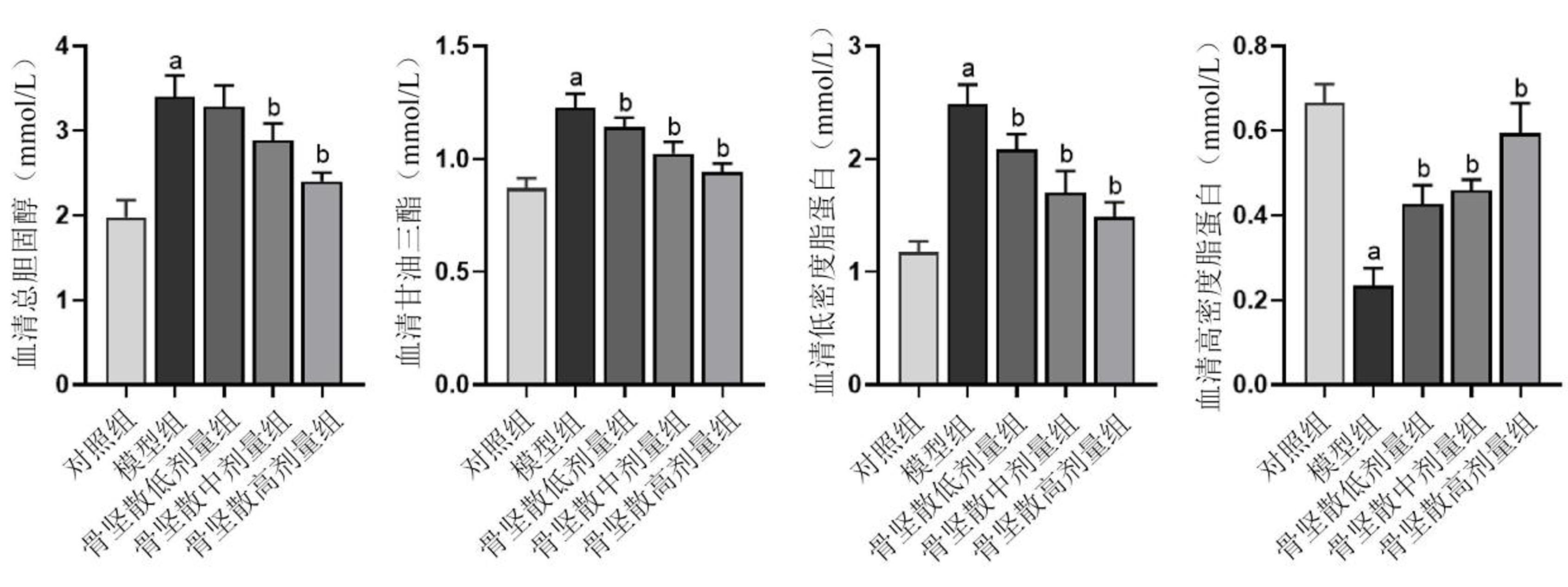
Fig.2
Expression of adipogenic and osteogenic gene mRNA in each group of rats (n = 6)"
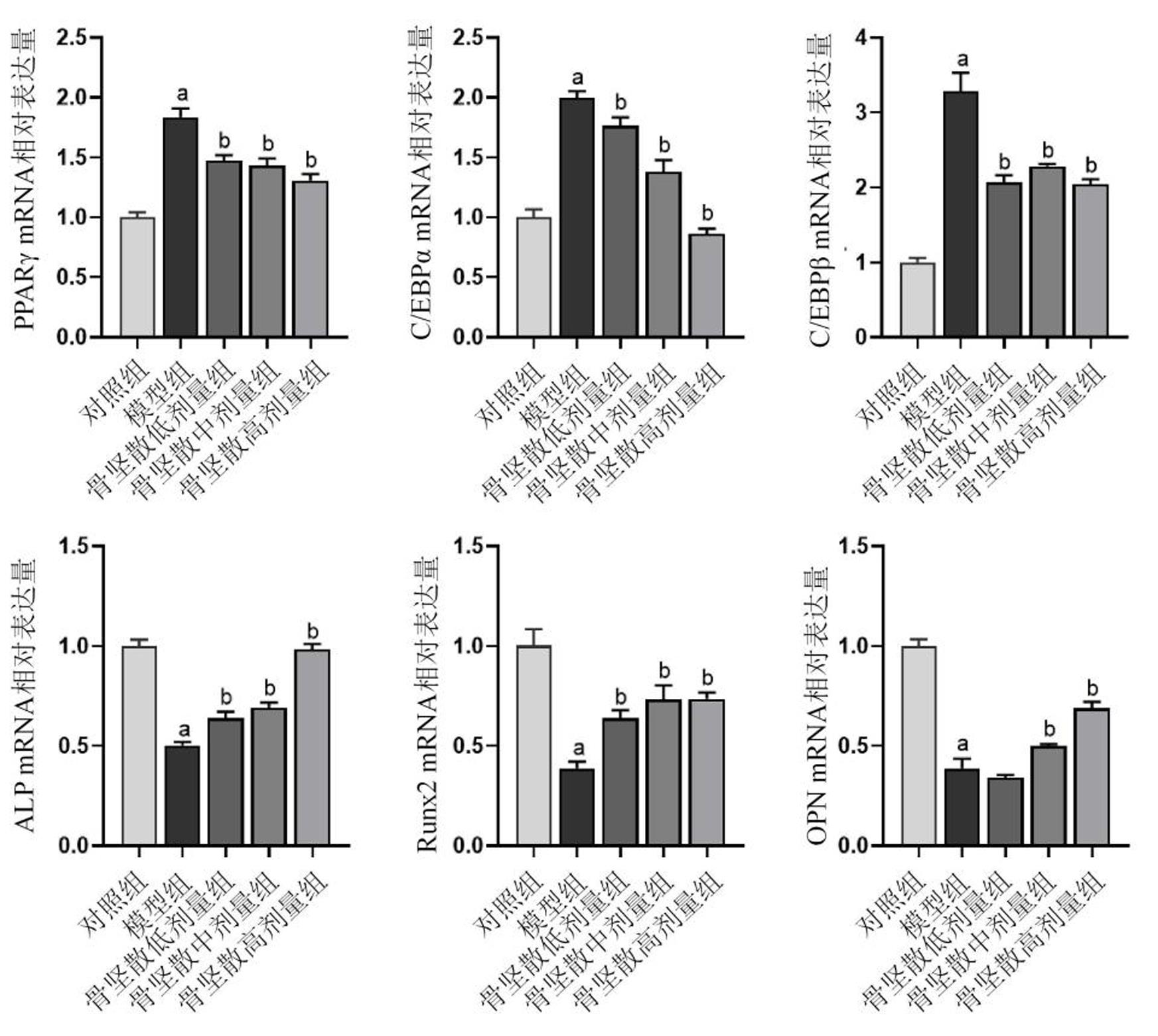
Fig.3
Relative expression of adipogenic-related proteins in rats femoral head tissue (n = 3)"
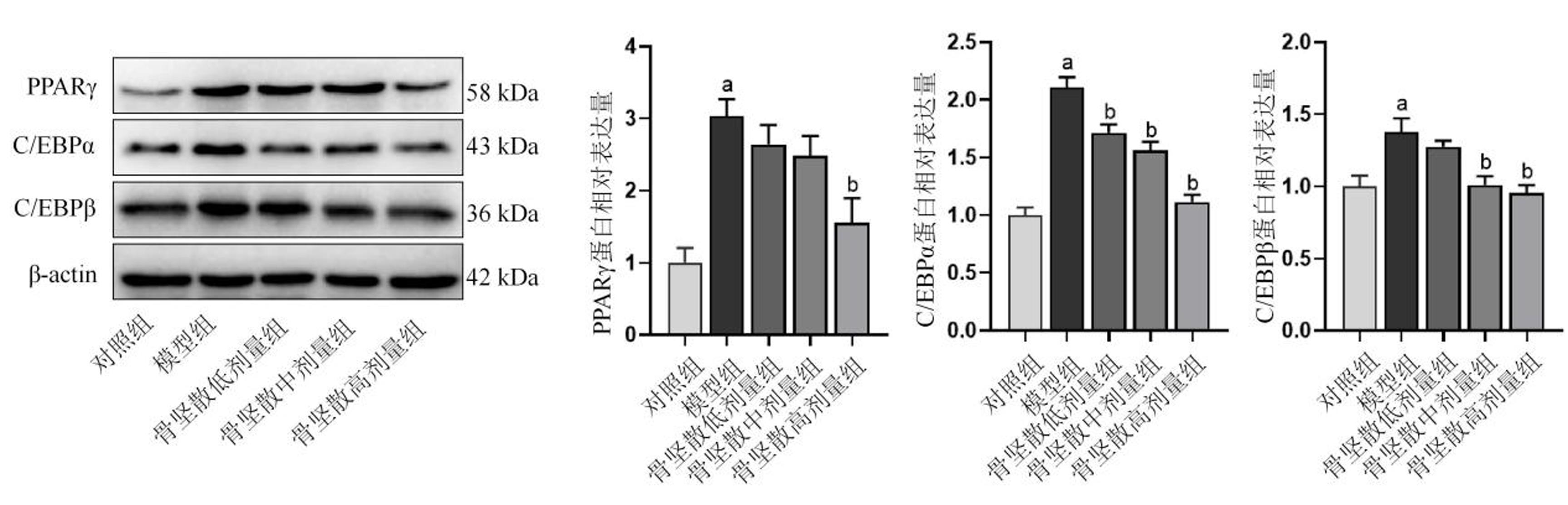
Fig.4
Relative expression of osteogenesis-related proteins in rats femoral head tissue (n = 3)"
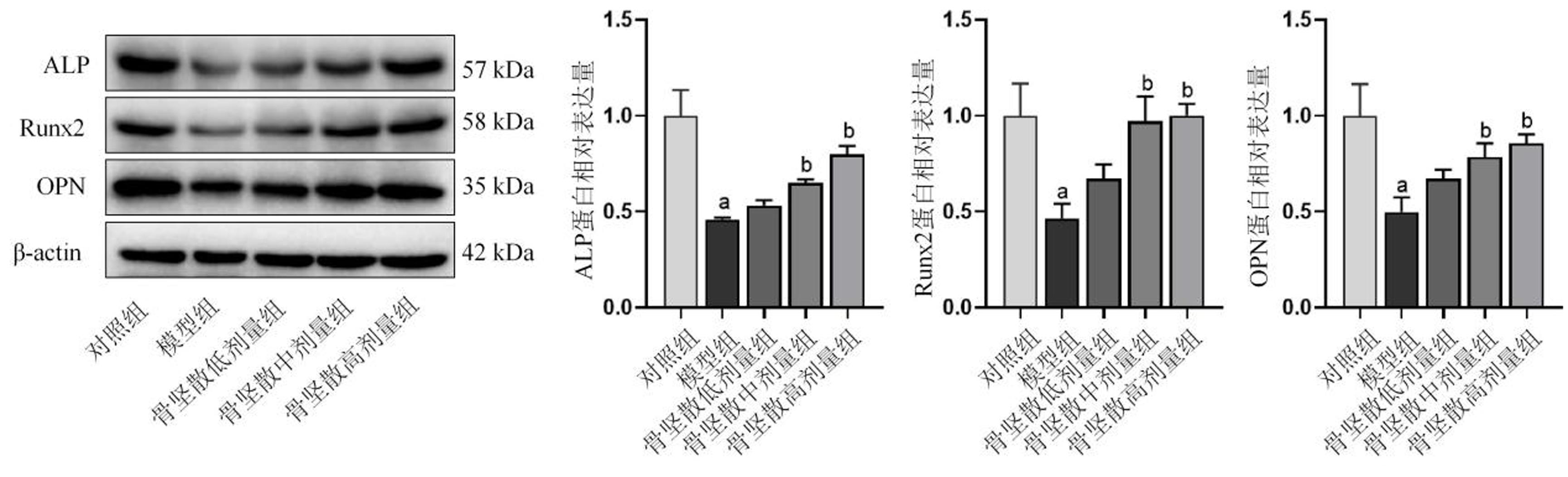
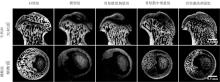
Fig.5
Micro-CT image of the femoral head of rats (scale: 0.5 mm)"
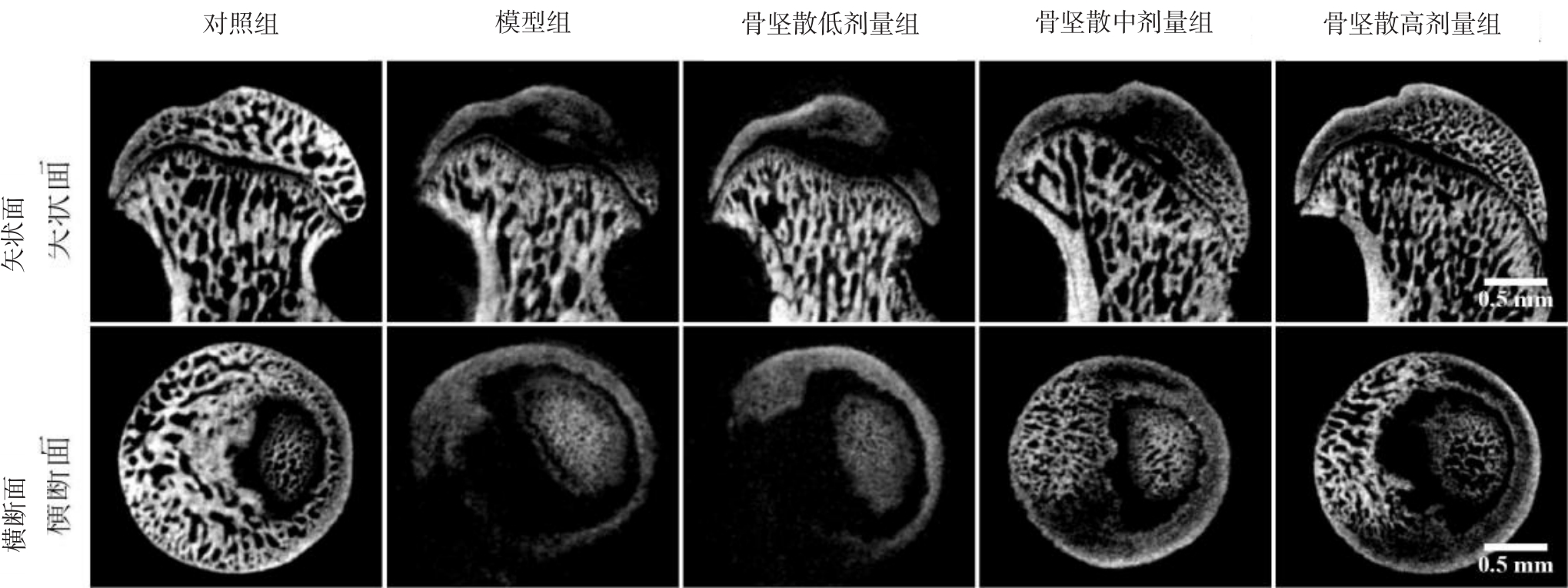
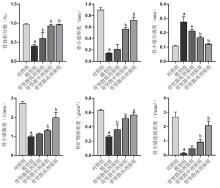
Fig.6
Micro-CT bone parameters of femoral head in rats (n = 5)"
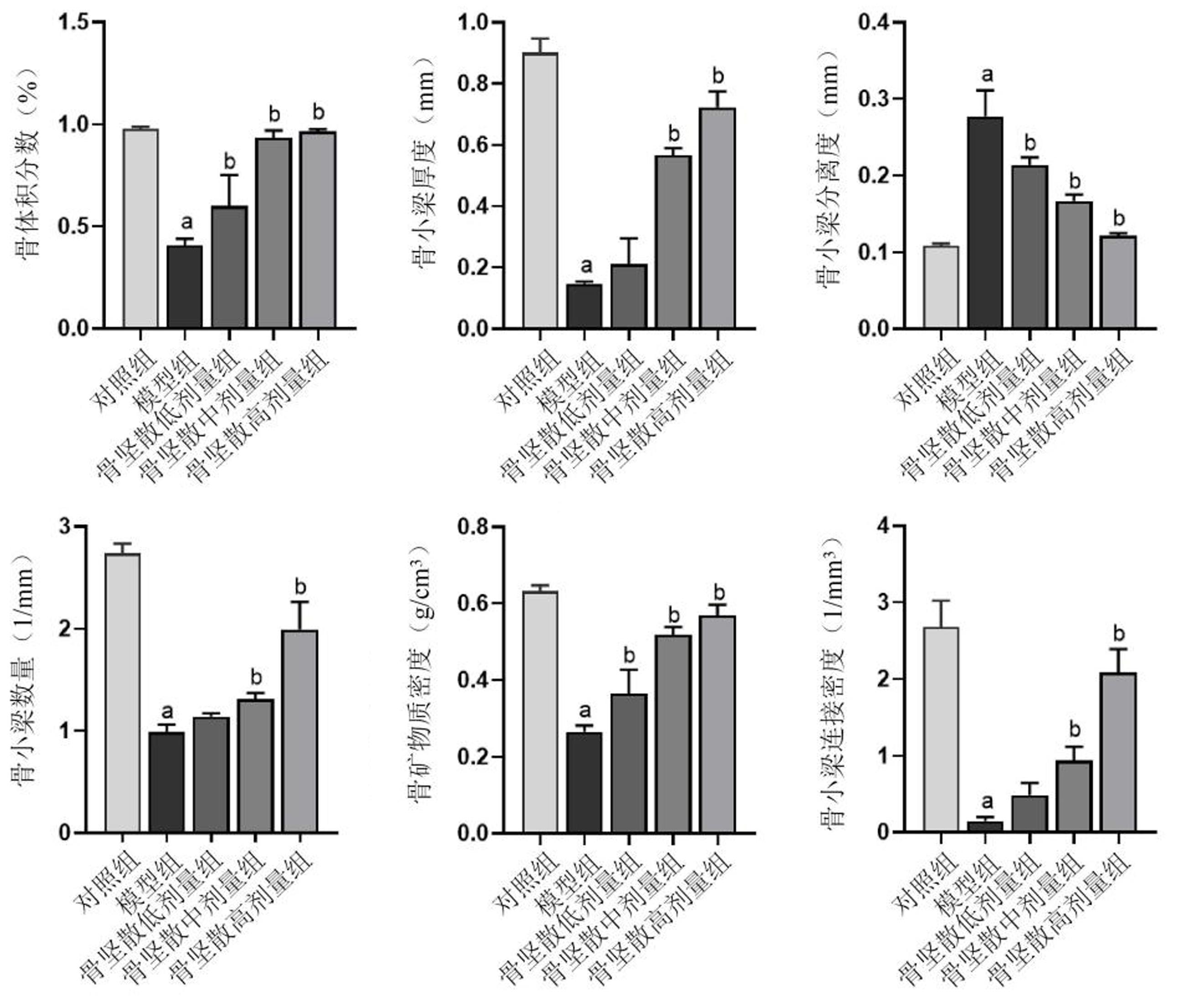
Fig.7
HE staining of the femoral head of rats and statistics of empty bone depression rate (× 100)"
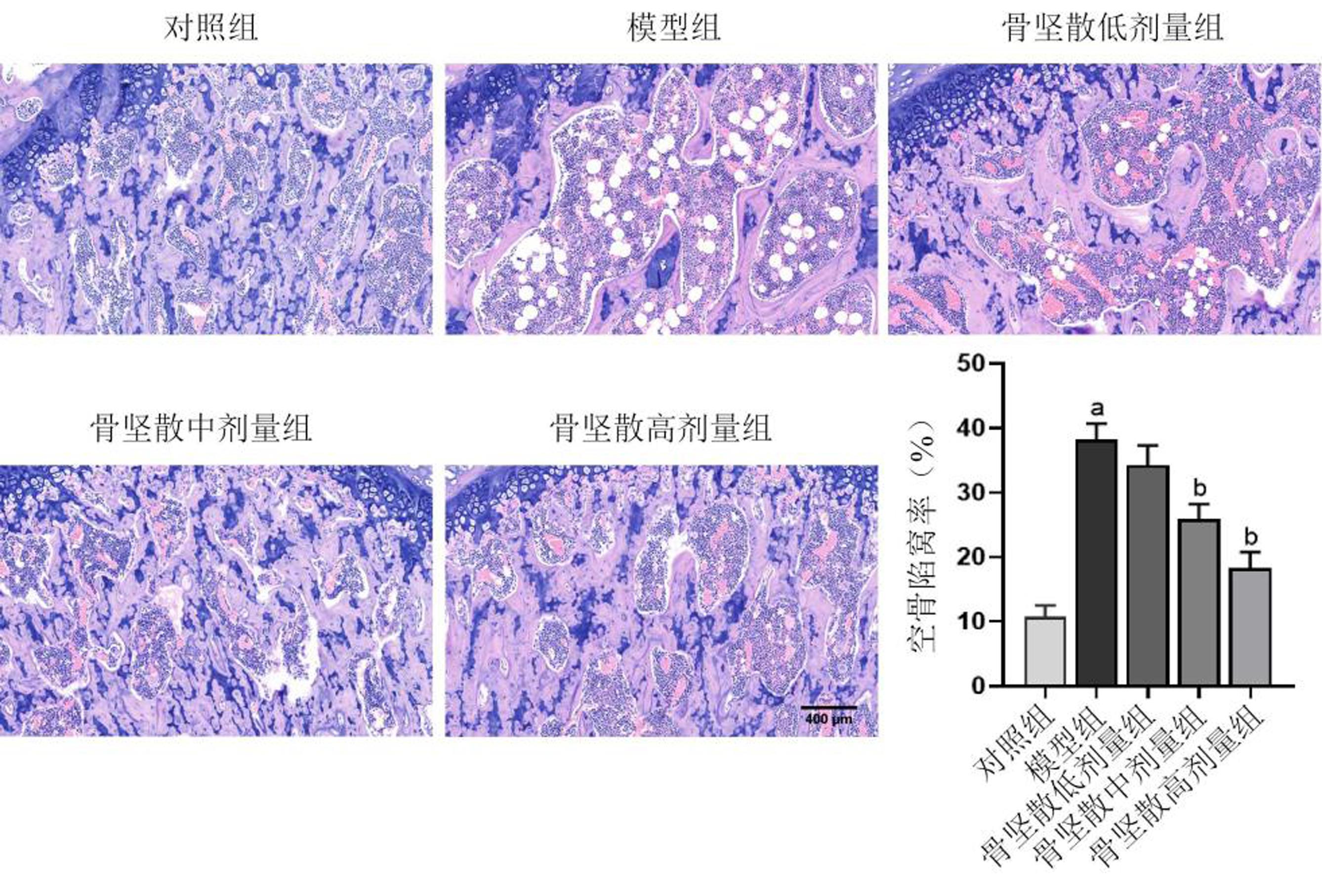
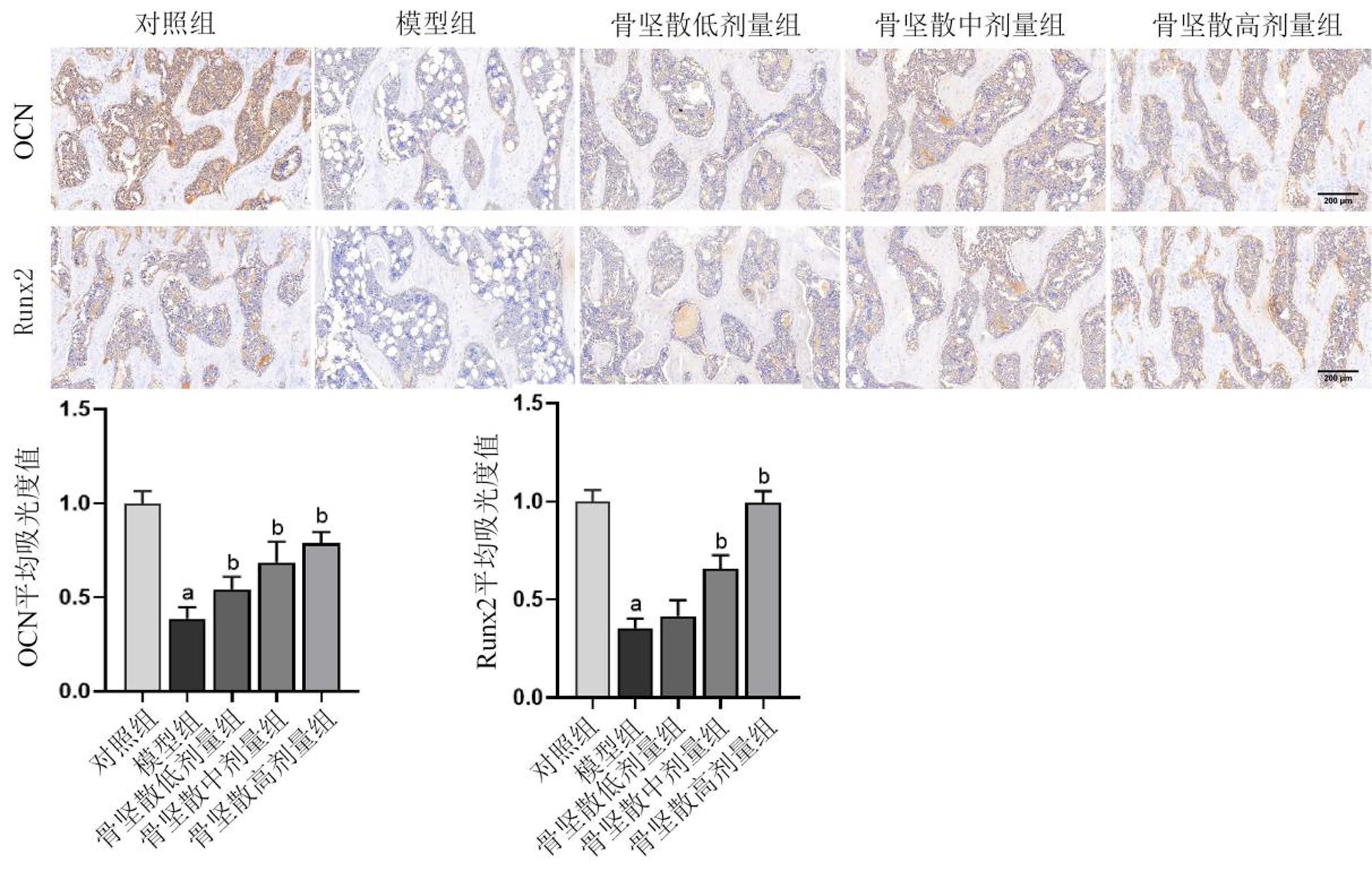
Fig.8
Immunohistochemical staining of femoral head OCN and Runx2 in rats (× 100)"
| [1] |
ZHANG J, CAO J, LIU Y, et al. Advances in the pathogenesis of steroid-associated osteonecrosis of the femoral head[J]. Biomolecules, 2024, 14(6): 667. doi:10.3390/biom14060667 .
doi: 10.3390/biom14060667 |
| [2] |
ZHANG F, YAN Y, PENG W, et al. PARK7 promotes repair in early steroid-induced osteonecrosis of the femoral head by enhancing resistance to stress-induced apoptosis in bone marrow mesenchymal stem cells via regulation of the Nrf2 signaling pathway[J]. Cell Death Dis, 2021, 12: 940. doi:10.1038/s41419-021-04226-1 .
doi: 10.1038/s41419-021-04226-1 |
| [3] |
KONARSKI W, POBOŻY T, KONARSKA K, et al. Osteonecrosis related to steroid and alcohol use-an update on pathogenesis[J]. Healthcare, 2023, 11(13): 1846. doi:10.3390/healthcare11131846 .
doi: 10.3390/healthcare11131846 |
| [4] |
XIA C, XU H, et al. β-catenin inhibition disrupts the homeostasis of osteogenic/adipogenic differentiation leading to the development of glucocorticoid-induced osteonecrosis of the femoral head[J]. eLife, 2024, 12: RP92469. doi:10.7554/elife.92469 .
doi: 10.7554/elife.92469 |
| [5] |
李爱强, 赵宁, 张旭升, 等. 骨髓间充质干细胞来源细胞外囊泡治疗股骨头骨坏死的研究进展[J]. 实用医学杂志, 2025, 41(23): 3631-3637. doi:10.3969/j.issn.1006-5725.2025.23.001 .
doi: 10.3969/j.issn.1006-5725.2025.23.001 |
| [6] |
ZHUANG J, WANG J, ZHANG B, et al. The prophylactic effects of naringin on steroid-induced early-stage osteonecrosis in rats: A preliminary study[J]. Cell Mol Biol (Noisy-le-grand), 2023, 69(5): 94-104. doi:10.14715/cmb/2023.69.5.16 .
doi: 10.14715/cmb/2023.69.5.16 |
| [7] |
ZHANG S, WANG H, MENG Q, et al. Recent advances in osteonecrosis of the femoral head: A focus on mesenchymal stem cells and adipocytes[J]. J Transl Med, 2025, 23(1): 592. doi:10.1186/s12967-025-06564-6 .
doi: 10.1186/s12967-025-06564-6 |
| [8] |
XU H, FANG L, ZENG Q, et al. Glycyrrhizic acid alters the hyperoxidative stress-induced differentiation commitment of MSCs by activating the Wnt/β-catenin pathway to prevent SONFH[J]. Food Funct, 2023, 14(2): 946-960. doi:10.1039/d2fo02337g .
doi: 10.1039/d2fo02337g |
| [9] |
ZUO B, WANG Z, LU H, et al. Discovery of lipid metabolism-related diagnostic biomarkers and construction of diagnostic model in steroid-induced osteonecrosis of femoral head[J]. Open Med, 2025, 20: 20251145. doi:10.1515/med-2025-1145 .
doi: 10.1515/med-2025-1145 |
| [10] |
WANG C, CEN C, SU H, et al. Integrated multi-omics analysis identifies lipid metabolism biomarkers in ONFH and reveals therapeutic potential of retinoic acid[J]. Sci Rep, 2025, 15: 30716. doi:10.1038/s41598-025-13703-y .
doi: 10.1038/s41598-025-13703-y |
| [11] |
LIU N, ZHENG C, WANG Q, et al. Treatment of non-traumatic avascular necrosis of the femoral head (Review)[J]. Exp Ther Med, 2022, 23(5): 321. doi:10.3892/etm.2022.11250 .
doi: 10.3892/etm.2022.11250 |
| [12] |
SINGH M, SINGH B, SHARMA K, et al. A molecular troika of angiogenesis, coagulopathy and endothelial dysfunction in the pathology of avascular necrosis of femoral head: A comprehensive review[J]. Cells, 2023, 12(18): 2278. doi:10.3390/cells 12182278 .
doi: 10.3390/cells 12182278 |
| [13] |
HUA X, YU L, ZHU H, et al. Research progress of circRNAs in bone-related diseases[J]. Front Oncol, 2025, 15: 1481322. doi:10.3389/fonc.2025.1481322 .
doi: 10.3389/fonc.2025.1481322 |
| [14] |
郭雪峰, 任艳玲, 于睿, 等. 基于 “久病入络” 理论探讨 “从虚而始, 因虚致瘀, 瘀痹骨络” 的激素性股骨头坏死核心病机观[J]. 中华中医药学刊, 2024, 42(6): 191-194. doi:10.13193/j.issn.1673-7717.2024.06.039 .
doi: 10.13193/j.issn.1673-7717.2024.06.039 |
| [15] |
杨阳, 吴健, 娄塞鹤, 等. 活血化瘀合滋补肝肾法对肾虚血瘀证早中期股骨头缺血性坏死患者的临床疗效[J]. 中成药, 2024, 46(3): 830-833. doi:10.3969/j.issn.1001-1528.2024. 03.019 .
doi: 10.3969/j.issn.1001-1528.2024. 03.019 |
| [16] |
田照, 曾平, 刘金富, 等. 韦贵康运用骨坚散联合奇术手法治疗股骨头坏死经验[J]. 中医杂志, 2023, 64(9): 875-878. doi:10.13288/j.11-2166/r.2023.09.003 .
doi: 10.13288/j.11-2166/r.2023.09.003 |
| [17] |
SUN H, ZHANG W, YANG N, et al. Activation of cannabinoid receptor 2 alleviates glucocorticoid-induced osteonecrosis of femoral head with osteogenesis and maintenance of blood supply[J]. Cell Death Dis, 2021, 12(11): 1035. doi:10.1038/s41419-021-04313-3 .
doi: 10.1038/s41419-021-04313-3 |
| [18] | 陈奇. 中药药理研究方法学[M]. 3版. 北京: 人民卫生出版社, 2011: 1261-1262. |
| [19] |
雷宁波, 李盼盼, 邢涛, 等. 基于辨证论治理论剖析股骨头坏死的病因病机及其治疗进展[J]. 中医临床研究, 2025, 17(15): 75-81. doi:10.3969/j.issn.1674-7860.2025.15.017 .
doi: 10.3969/j.issn.1674-7860.2025.15.017 |
| [20] | 尚奇, 任辉, 沈耿杨, 等. 基于肾阴阳理论探讨自噬在激素性骨质疏松症中的作用[J]. 中华中医药杂志, 2018, 33(8): 3300-3303. |
| [21] |
区志坚, 李希文, 邱华耀, 等. 基于OPG/RANKL/RANK信号通路探究 “引血下行法” 调控激素性股骨头坏死骨代谢表达的影响[J]. 实用医学杂志, 2023, 39(23): 3058-3064. doi:10.3969/j.issn.1006-5725.2023.23.006 .
doi: 10.3969/j.issn.1006-5725.2023.23.006 |
| [22] |
XIANG X N, HE H C, HE C Q. Advances in mechanism and management of bone homeostasis in osteonecrosis: A review article from basic to clinical applications[J]. Int J Surg, 2025, 111(1): 1101-1122. doi:10.1097/js9.0000000000002094 .
doi: 10.1097/js9.0000000000002094 |
| [23] | 丁志清, 郭小平, 潘珊珊, 等. 补肾活血法和痰瘀同治法治疗股骨头坏死的研究进展[J]. 中国民族民间医药, 2015, 24(4): 39-40. |
| [24] | 刘道兵, 王荣田, 陈卫衡. 从“痰瘀同病”论股骨头坏死的中医药治疗[J]. 中医杂志, 2013, 54(19): 1644-1646. |
| [25] |
YU X, DOU S, LU L, et al. Relationship between lipid metabolism, coagulation and other blood indices and etiology and staging of non-traumatic femoral head necrosis: A multivariate logistic regression-based analysis[J]. J Orthop Surg Res, 2024, 19(1): 251. doi:10.1186/s13018-024-04715-x .
doi: 10.1186/s13018-024-04715-x |
| [26] |
ZHONG D, XU G Z, WU J Z, et al. Circ-ITCH sponges miR-214 to promote the osteogenic differentiation in osteoporosis via upregulating YAP1[J]. Cell Death Dis, 2021, 12(4): 340. doi:10.1038/s41419-021-03586-y .
doi: 10.1038/s41419-021-03586-y |
| [27] |
BURKHARDT L M, BUCHER C H, LÖFFLER J, et al. The benefits of adipocyte metabolism in bone health and regeneration[J]. Front Cell Dev Biol, 2023, 11: 1104709. doi:10.3389/fcell. 2023.1104709 .
doi: 10.3389/fcell. 2023.1104709 |
| [28] |
KIM J S, KIM J W, YEE J, et al. Interactive associations between PPARγ and PPARGC1A and bisphosphonate-related osteonecrosis of the jaw in patients with osteoporosis[J]. Pharmaceuticals, 2023, 16(7): 1035. doi:10.3390/ph16071035 .
doi: 10.3390/ph16071035 |
| [29] |
LIU Y, HE T, LI Z, et al. TET2 is recruited by CREB to promote Cebpb, Cebpa, and Pparg transcription by facilitating hydroxymethylation during adipocyte differentiation[J]. iScience, 2023, 26(11): 108312. doi:10.1016/j.isci.2023.108312 .
doi: 10.1016/j.isci.2023.108312 |
| [30] |
YAN H, LI Q, LI M, et al. Ajuba functions as a co-activator of C/EBPβ to induce expression of PPARγ and C/EBPα during adipogenesis[J]. Mol Cell Endocrinol, 2022, 539: 111485. doi:10.1016/j.mce.2021.111485 .
doi: 10.1016/j.mce.2021.111485 |
| [31] |
SCHELLER E L, DOUCETTE C R, LEARMAN B S, et al. Region-specific variation in the properties of skeletal adipocytes reveals regulated and constitutive marrow adipose tissues[J]. Nat Commun, 2015, 6: 7808. doi:10.1038/ncomms8808 .
doi: 10.1038/ncomms8808 |
| [32] |
GILLET C, DALLA VALLE A, GASPARD N, et al. Osteonecrosis of the femoral head: Lipotoxicity exacerbation in MSC and modifications of the bone marrow fluid[J]. Endocrinology, 2017, 158(3): 490-502. doi:10.1210/en.2016-1687 .
doi: 10.1210/en.2016-1687 |
| [33] |
WANG J, ZHEN C, ZHANG G, et al. A 0.2 T–0.4 T static magnetic field improves the bone quality of mice subjected to hindlimb unloading and reloading through the dual regulation of BMSCs via iron metabolism[J]. Int J Mol Sci, 2024, 25(23): 13136. doi:10.3390/ijms252313136 .
doi: 10.3390/ijms252313136 |
| [34] |
GUO L, LI X, TANG Q Q. Transcriptional regulation of adipocyte differentiation: A central role for CCAAT/enhancer-binding protein (C/EBP) β[J]. J Biol Chem, 2015, 290(2): 755-761. doi:10.1074/jbc.R114.619957 .
doi: 10.1074/jbc.R114.619957 |
| [35] |
WALEWSKA A, JANUCIK A, TYNECKA M, et al. Mesenchymal stem cells under epigenetic control–the role of epigenetic machinery in fate decision and functional properties[J]. Cell Death Dis, 2023, 14(11): 720. doi:10.1038/s41419-023-06239-4 .
doi: 10.1038/s41419-023-06239-4 |
| [1] | Yu CAI,Rui HUANG,Decheng WANG,Jin CHAO,Yuxin WANG,Meiqi CHENG,Shanshan HAN. Galectin-3 deficiency alters lipid metabolism in human immortalized keratinocytes [J]. The Journal of Practical Medicine, 2026, 42(9): 1600-1609. |
| [2] | Xuefan YANG,Feng YE,Dandan RUAN,Xiaohui MO,Qiang JU. Effect of minocycline on acne inflammation via PPARγ/STAT3 pathway [J]. The Journal of Practical Medicine, 2026, 42(2): 212-219. |
| [3] | Guodong QIN,Miaolin LI,Jian ZHANG,Yao SHEN,Yusi LIU. Research advances on the roles and mechanisms of WTAP in metabolic regulation [J]. The Journal of Practical Medicine, 2026, 42(15): 2761-2769. |
| [4] | Mingmei MA,Xiaochun MA,Shenghua MA,Yijin LI,Guifang JI. Effect of semaglutide injection on glycolipid metabolism and adipokine in the treatment of type 2 diabetes mellitus with different body mass index [J]. The Journal of Practical Medicine, 2025, 41(9): 1394-1400. |
| [5] | Wei WANG,Min WANG,Minmin CHENG,Tingting. ZHANG. Impacts of safflower polysaccharide on tumor growth and PI3K/Akt/mTOR signal pathway in mice with colorectal cancer [J]. The Journal of Practical Medicine, 2025, 41(5): 670-675. |
| [6] | Zhao WANG,Jiepeng ZUO,Hang CHE,Lingyun REN,Zhe XU,Lei. WANG. Evaluation of plasma PPARγ as a potential diagnostic marker for female interstitial cystitis/painful bladder syndrome and its predictive model [J]. The Journal of Practical Medicine, 2025, 41(2): 258-263. |
| [7] | Weizun LI,Chen XING,Hengqing AN. STAT activation inhibitory protein 2 is involved in reprogramming of lipid metabolism by regulating the prostate cancer development [J]. The Journal of Practical Medicine, 2025, 41(18): 2844-2852. |
| [8] | Jingrui LI,Yaoyu SUO,Tian TIAN,Ping CAO,Zhifeng DONG,Nan JIANG,Huiping ZHANG,Kai WU,Qing SHI,Guizhong. LI. Study on the mechanism of PPARγ‐Targeted intervention in abnormal lipid Metabolism‐Induced dysfunction in placental trophoblast cells in preeclampsia and its clinical relevance [J]. The Journal of Practical Medicine, 2025, 41(16): 2489-2497. |
| [9] | Xianqi WANG,Bin ZHANG,Qi ZHANG,Zheng DAI,Jinxin ZHANG,Xiaoli LIANG,Lin LI,Lin WU,Shanshou LIU. Analysis of the changes in the count and function of platelet at the early sepsis based on single cell sequencing [J]. The Journal of Practical Medicine, 2024, 40(9): 1218-1224. |
| [10] | Pengshuai SUN,Feng ZHU,Lihong ZHENG,Haiqiang WANG. Research progress in the treatment of AMPK regulating lipid accumulation in the treatment of nonalcoholic fatty liver disease [J]. The Journal of Practical Medicine, 2024, 40(6): 862-866. |
| [11] | Jia CUI,Mingming ZHANG,Na WANG,Wei GAO,Fei LI. Correlation analysis of glucose and lipid metabolism indicators combined with antiphospholipid antibodies on prognosis of patients with atherosclerosis [J]. The Journal of Practical Medicine, 2024, 40(3): 326-329. |
| [12] | Chunfang KONG,Anna LI,Bo KE,Weirong DING,Tingting LIU,Huan FU,Tingting ZHANG,Chenghao JIN,Mei. WU. The inhibitory effect and molecular mechanism of 6-gingerol on human multiple myeloma cells [J]. The Journal of Practical Medicine, 2024, 40(23): 3291-3297. |
| [13] | Xinwen BI,Yuanjie CUI,Qiuxian LU,Jia CUI,Fan BU,Fang HE,Hua YANG,Ming. LI. Immunomodulatory effects of intestinal flora on glucose and lipid metabolism disorders in high⁃fat diet induced obese mice [J]. The Journal of Practical Medicine, 2024, 40(11): 1505-1512. |
| [14] | Yang WU,Jian YAO,Jinliang. CHEN. The mechanism of lipid metabolism disorders promoting progression of lung cancer based on the oxLDL/LOX⁃1 signaling pathway [J]. The Journal of Practical Medicine, 2024, 40(1): 19-24. |
| [15] | LI Qinggui, CHEN Kang, GUO Zhao, QIAN Ligang. . Effect of wogonin on bone fracture healing in rats with osteoporosis by regulating AMPK/SIRT1 signaling pathway [J]. The Journal of Practical Medicine, 2023, 39(4): 410-416. |
| Viewed | ||||||
|
Full text |
|
|||||
|
Abstract |
|
|||||
