

The Journal of Practical Medicine ›› 2026, Vol. 42 ›› Issue (13): 2428-2437.doi: 10.3969/j.issn.1006-5725.2026.13.019
• Treatise:Mechanism and Practice • Previous Articles
Minghua HAI1,Jia MA1,Xinru LI1,2,Jiarong LUO1,Rui SUN1,2,Yuwei AN3,Ben MA1,Ruolin YAN3,Chen WANG2,Yuankui CHU1,Xin YU1,Shengchao MA2( )
)
Received:2026-03-09
Online:2026-07-10
Published:2026-07-14
Contact:
Shengchao MA
E-mail:solarmsc@163.com
CLC Number:
Minghua HAI,Jia MA,Xinru LI,Jiarong LUO,Rui SUN,Yuwei AN,Ben MA,Ruolin YAN,Chen WANG,Yuankui CHU,Xin YU,Shengchao MA. Resveratrol alleviates homocysteine-induced oxidative damage in mouse pancreatic β-cells by regulating toll-like receptor 4 and its methylation level[J]. The Journal of Practical Medicine, 2026, 42(13): 2428-2437.
Tab.1
qRT-PCR primer sequences"
| 名称 | 引物序列 |
|---|---|
| TLR4 | F:5′-ATGGCATGGCTTACACCACC-3′ R:5′-GAGGCCAATTTTGTCTCCACA-3′ |
| GAPDH | F:5′-AGGTCGGTGTGAACGGATTTG-3′ R:5′-GGGGTCGTTGATGGCAACA-3′ |
Tab.2
Methylation primer sequences"
| 引物名称 | 引物序列 |
|---|---|
外引物上游序列 外引物下游序列 | TGTTTTTTTAGTTATTGGTTTGTAGG AACAAACATCATCCTAACATCATC |
甲基化引物(M Left) 甲基化引物(M Right) | AAGTTTAGAATGTTAAGGTTGTCGT TAACCCTATAAATACGTAACTCG |
非甲基化引物(U Left) 非甲基化引物(U Right) | AAGTTTAGAATGTTAAGGTTGTTGT TAACCCTATAAATACATAACTCACT |
Tab.3
Effects of different concentrations of Hcy and Res on cell activity"
| 项目 | 不同浓度Hcy对应细胞活力/% | 不同浓度Res对应细胞活力/% |
|---|---|---|
| Control | 100 ± 0.00 | 100 ± 0.00 |
| 40 μmol/L Hcy | 85.9 ± 8.39 | - |
| 80 μmol/L Hcy | 77.0 ± 6.23 | - |
| 100 μmol/L Hcy | 67.8 ± 9.54* | 63.0 ± 9.39* |
| 120 μmol/L Hcy | 63.4 ± 8.25* | - |
| 140 μmol/L Hcy | 55.8 ± 9.34 | - |
| 100 μmol/L Hcy + 2.5 μmol/L Res | - | 76.7 ± 0.32 |
| 100 μmol/L Hcy + 5 μmol/L Res | - | 75.0 ± 4.88 |
| 100 μmol/L Hcy + 10 μmol/L Res | - | 79.3 ± 6.30# |
| 100 μmol/L Hcy + 20 μmol/L Res | - | 79.8 ± 5.75## |
| 100 μmol/L Hcy + 40 μmol/L Res | - | 80.9 ± 8.80## |
Tab.4
MDA levels, GSH-Px activity, and insulin levels under Hcy and Hcy + Res interventions"
| 项目 | MDA 表达量/(nmol/mgprot) | GSH-Px活性/(U/mgprot) | Insulin表达水平/(ng/mL) |
|---|---|---|---|
| Control组 | 0.154 ± 0.044 | 6.67 ± 1.120 | 400 ± 20.9 |
| Hcy组 | 0.279 ± 0.082** | 5.52 ± 0.322* | 362 ± 36.6* |
| Hcy+Res组 | 0.159 ± 0.040 ## | 6.55 ± 0.325 # | 404 ± 27.7 # |
| F值 | 9.457 | 4.910 | 5.117 |
| P值 | 0.001 9 | 0.022 9 | 0.015 5 |
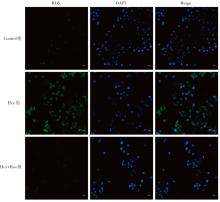
Fig.1
Levels of ROS in cells under Hcy and Hcy + Res interventions"
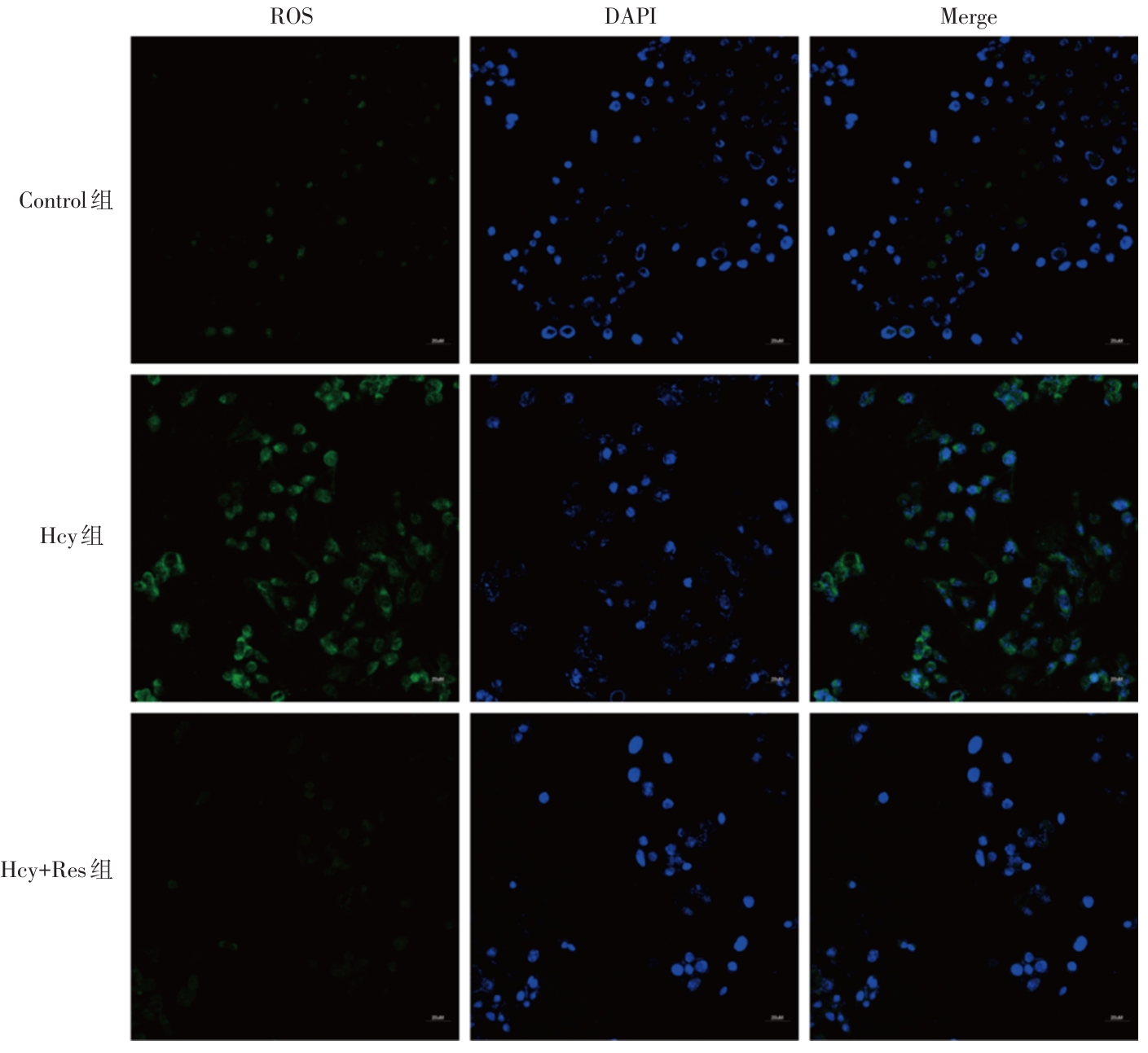
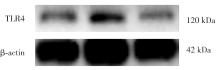
Fig.2
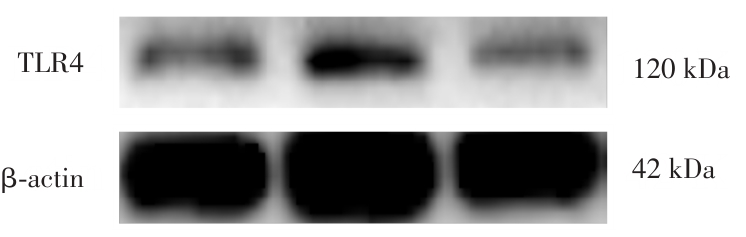
Protein expression of TLR4 Under Hcy and Hcy+Res intervention"
Tab.5
Expression of TLR4 under co-intervention of Hcy and Hcy + Res"
| 项目 | TLR4蛋白表达水平 | TLR4mRNA水平 |
|---|---|---|
| Control组 | 1.00 ± 0.000 | 1.00 ± 0.000 |
| Hcy组 | 1.28 ± 0.168* | 1.11 ± 0.148* |
| Hcy + Res | 0.68 ± 0.096## | 0.61 ± 0.067## |
| F值 | 29.61 | 59.51 |
| P值 | 0.000 2 | 0.000 1 |
Fig.3
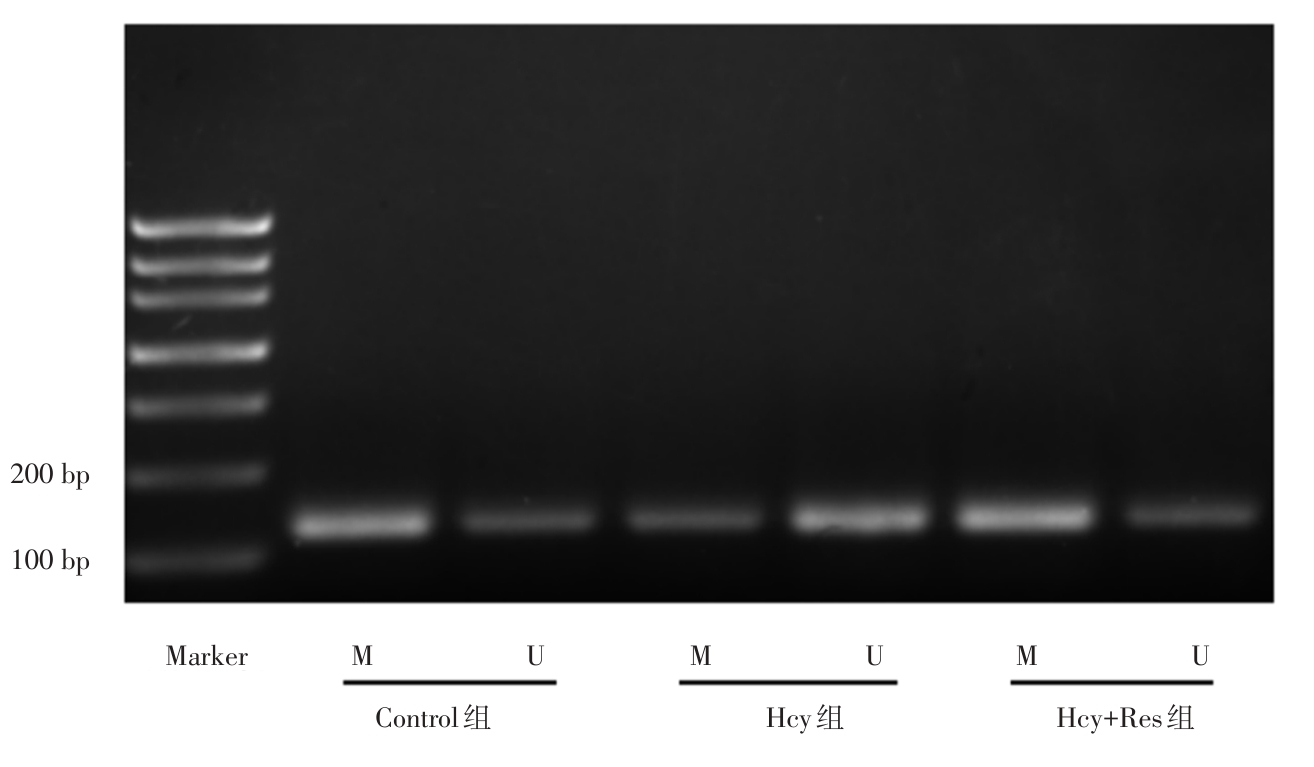
The methylation levels of TLR4 under the combined intervention of Hcy and Hcy + Res"
Tab.6
The methylation levels of TLR4 and the expression of DNMT1 protein under the combined intervention of Hcy and Hcy + Res"
| 项目 | TLR4甲基化水平 | DNMT1蛋白表达水平 |
|---|---|---|
| Control组 | 0.682 ± 0.019 | 1.000 ± 0.000 |
| Hcy组 | 0.324 ± 0.009* | 0.279 ± 0.129* |
| Hcy+Res组 | 0.578 ± 0.086## | 0.797 ± 0.154## |
| F值 | 51.94 | 35.29 |
| P值 | 0.000 1 | 0.000 1 |
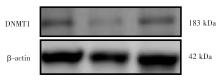
Fig.4
Protein Expression of DNMT1 under Co-intervention of Hcy and Hcy + Res"
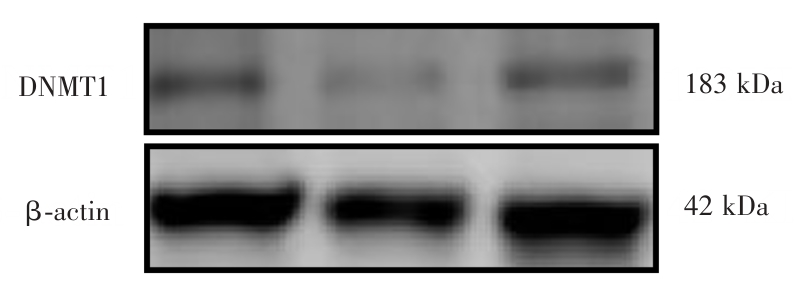
Fig.5
Self-verification of DNMT1 siRNA"
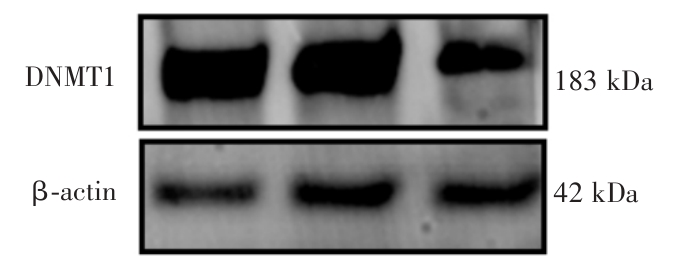
Fig.6
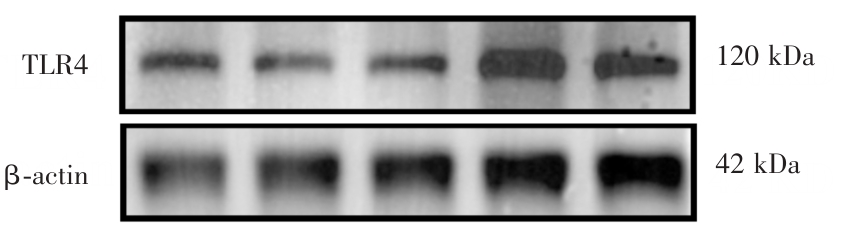
Western blot verification of the effect of DNMT1 on the expression of TLR4"
Tab.7
Changes in MDA content, GSH-Px activity and insulin level after interfering with DNMT1 under Hcy and Hcy + Res intervention"
| 项目 | MDA表达量/(nmol/mgprot) | GSH-Px活性/(U/mgprot) | Insulin表达水平/(ng/mL) |
|---|---|---|---|
| Hcy组 | 0.119 ± 0.014 | 553 ± 234 | 29.8 ± 2.86 |
| Hcy+Res组 | 0.060 ± 0.014** | 1 222 ± 703* | 42.7 ± 4.35** |
| Hcy+si-NC组 | 0.085 ± 0.027 | 1 069 ± 215 | 34.1 ± 1.84 |
| Hcy+si-DNMT1组 | 0.139 ± 0.019 ## | 361 ± 194 # | 23.2 ± 2.58 ## |
| Hcy+Res+si-DNMT1组 | 0.101 ± 0.024§ | 391 ± 171§§ | 27.7 ± 3.46§§ |
| F值 | 10.99 | 6.396 | 49.20 |
| P值 | 0.000 1 | 0.001 3 | 0.000 1 |
Fig.7
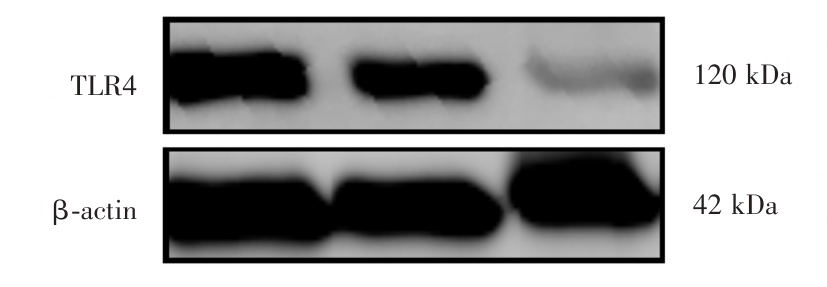
Self-verification of TLR4 siRNA."
Tab.8
MDA content, GSH-Px activity, and insulin levels following TLR4 interference under Hcy and Hcy+Res interventions"
| 项目 | MDA 表达量/(nmol/mgprot) | GSH-Px活性/(U/mgprot) | Insulin表达水平/(ng/mL) |
|---|---|---|---|
| Hcy组 | 1.11 ± 0.33 | 1.08 ± 0.657 | 44.1 ± 4.00 |
| Hcy+si-NC组 | 1.27 ± 0.23 | 1.02 ± 0.500 | 36.5 ± 2.51 |
| Hcy+si-TLR4组 | 0.95 ± 0.17** | 1.81 ± 0.349* | 42.0 ± 3.08* |
| Hcy+Res+si-NC | 0.84 ± 0.13 | 1.83 ± 0.725 | 41.0 ± 2.44 |
| Hcy+Res+si-TLR4组 | 0.65 ± 0.13§§# | 3.81 ± 1.47§# | 46.5 ± 3.24§## |
| F值 | 10.18 | 10.75 | 10.10 |
| P值 | 0.000 1 | 0.000 1 | 0.000 1 |
Tab.9
Effects of Res intervention on MDA content, GSH-Px activity and insulin level after TLR4 interference"
| 项目 | MDA 表达量/(nmol/mgprot) | GSH-Px活性/(U/mgprot) | Insulin表达水平/(ng/mL) |
|---|---|---|---|
| Res+si-NC组 | 0.130 ± 0.065 | 33.0 ± 25.1 | 31.3 ± 5.29 |
| Res+si-TLR4组 | 0.106 ± 0.021 | 36.7 ± 31.9 | 35.1 ± 4.75 |
| t值 | 0.997 0 | 0.275 0 | 1.586 0 |
| P值 | 0.335 6 | 0.786 9 | 0.132 4 |
| [1] |
INAISHI J, SAISHO Y. Beta-cell mass in obesity and type 2 diabetes, and its relation to pancreas fat: A mini-review[J]. Nutrients, 2020, 12(12): 3846. doi:10.3390/nu12123846 .
doi: 10.3390/nu12123846 |
| [2] |
李利函, 王善龙, 宋影. 血清Hcy、25-OH-D3、SF水平与2型糖尿病患者胰岛素抵抗的关系[J]. 黑龙江医药科学, 2026, 49(2): 76-78. doi:10.3969/j.issn.1008-0104.2026.02.024 .
doi: 10.3969/j.issn.1008-0104.2026.02.024 |
| [3] |
马凌桔,汪乐新,迟宏扬,等.METTL3在同型半胱氨酸诱导小鼠胰岛β细胞自噬中的作用[J].中国组织工程研究,2024,28(26):4221-4225.doi: 10.12307/2024.423
doi: 10.12307/2024.423 |
| [4] |
YU X, JIA Y, REN F. Multidimensional biological activities of resveratrol and its prospects and challenges in the health field[J]. Front Nutr, 2024, 11: 1408651. doi:10.3389/fnut.2024. 1408651 .
doi: 10.3389/fnut.2024. 1408651 |
| [5] |
GONG W, LI J, CHEN W, et al. Resveratrol inhibits lipopolysaccharide-induced extracellular matrix accumulation and inflammation in rat glomerular mesangial cells by SphK1/S1P2/NF-κB pathway[J]. Diabetes Metab Syndr Obes Targets Ther, 2020, 13: 4495-4505. doi:10.2147/dmso.s278267 .
doi: 10.2147/dmso.s278267 |
| [6] |
CRAMMOND P, HASTAK P, DELANEY A,et al. Taking its TOLL: the role of toll-like receptor 4 in human health and disease, and its potential as a therapeutic target[J].Front Immunol,2026,17:1761361. doi: 10.3389/fimmu.2026.1761361. eCollection 2026 .
doi: 10.3389/fimmu.2026.1761361. eCollection 2026 |
| [7] |
LAN C, LI Y, WENG Z, et al. TLR4 mediates lipotoxic β-cell dysfunction by inhibiting the TMEM24/PI3K/AKT pathway[J]. Acta Biochim Biophys Sin, 2025, 57(10): 1684-1695. doi:10.3724/abbs.2025045 .
doi: 10.3724/abbs.2025045 |
| [8] |
CHEN J, FEI S, CHAN L W C, et al. Inflammatory signaling pathways in pancreatic β-cell: New insights into type 2 diabetes pathogenesis[J]. Pharmacol Res, 2025, 216: 107776. doi:10.1016/j.phrs.2025.107776 .
doi: 10.1016/j.phrs.2025.107776 |
| [9] |
CRAMMOND P, HASTAK P, DELANEY A, et al. Taking its TOLL: The role of toll-like receptor 4 in human health and disease, and its potential as a therapeutic target[J]. Front Immunol, 2026, 17: 1761361. doi:10.3389/fimmu.2026.1761361 .
doi: 10.3389/fimmu.2026.1761361 |
| [10] | 高艳. TLR4基因甲基化对酒精性脂肪性肝炎痰瘀互结证发病机制的影响[D]. 太原: 山西中医药大学, 2021. |
| [11] |
DING T, WEN B, CHEN J, et al. Excess homocysteine inhibits pancreatic β-cell secretory function by repressing Zbtb20 expression[J]. Mol Cell Endocrinol, 2024, 586: 112195. doi:10.1016/j.mce.2024.112195 .
doi: 10.1016/j.mce.2024.112195 |
| [12] |
邓玲,梁瑜祯,铁死亡与胰岛β细胞功能的研究进展.中华内科杂志,2023,62(1) : 113-116. DOI: 10.3760/cma.j.cn112138-20220502-00333 .
doi: 10.3760/cma.j.cn112138-20220502-00333 |
| [13] |
CRUCIANI-GUGLIELMACCI C, MENEYROL K, DENOM J, et al. Homocysteine metabolism pathway is involved in the control of glucose homeostasis: A cystathionine beta synthase deficiency study in mouse[J]. Cells, 2022, 11(11): 1737. doi:10.3390/cells11111737 .
doi: 10.3390/cells11111737 |
| [14] |
ZHANG X, QU Y Y, LIU L, et al. Homocysteine inhibits pro-insulin receptor cleavage and causes insulin resistance via protein cysteine-homocysteinylation[J]. Cell Rep, 2021, 37(2): 109821. doi:10.1016/j.celrep.2021.109821 .
doi: 10.1016/j.celrep.2021.109821 |
| [15] |
YUAN X, DING S, ZHOU L, et al. Association between plasma homocysteine levels and pancreatic islet beta-cell function in the patients with type 2 diabetes mellitus: A cross-sectional study from China[J]. Ann Palliat Med, 2021, 10(7): 8169-8179. doi:10.21037/apm-21-1671 .
doi: 10.21037/apm-21-1671 |
| [16] |
LI Y, ZHANG H, JIANG C, et al. Hyperhomocysteinemia promotes insulin resistance by inducing endoplasmic reticulum stress in adipose tissue[J]. J Biol Chem, 2013, 288(14): 9583-9592. doi:10.1074/jbc.M112.431627 .
doi: 10.1074/jbc.M112.431627 |
| [17] |
STANCILL J S, CORBETT J A. The role of thioredoxin/peroxiredoxin in the β-cell defense against oxidative damage[J]. Front Endocrinol, 2021, 12: 718235. doi:10.3389/fendo.2021. 718235 .
doi: 10.3389/fendo.2021. 718235 |
| [18] |
LENZEN S. The pancreatic beta cell: An intricate relation between anatomical structure, the signalling mechanism of glucose-induced insulin secretion, the low antioxidative defence, the high vulnerability and sensitivity to diabetic stress[J]. ChemTexts, 2021, 7(2): 13. doi:10.1007/s40828-021-00140-3 .
doi: 10.1007/s40828-021-00140-3 |
| [19] |
XUAN Y, YANG Y, SUN Y, et al. Antagonistic effects of resveratrol on reproductive injury in hind-limp unloading male rats[J]. Kjkxxb, 2024, 44(1): 133. doi:10.11728/cjss2024.01.2023-0063 .
doi: 10.11728/cjss2024.01.2023-0063 |
| [20] |
PELCZYŃSKA M, SZYMON S, KONIECZNY M, et al. Influence of certain natural bioactive compounds on glycemic control: A narrative review[J]. Nutrients, 2026, 18(1): 52. doi:10.3390/nu18010052 .
doi: 10.3390/nu18010052 |
| [21] |
KOGUT Ł, PUCHALSKI C, KATRYŃSKA D, et al. The Multidirectional Biological Activity of Resveratrol: Molecular Mechanisms, Systemic Effects and Therapeutic Potential-A Review[J].Nutrients, 2026,18(2):313. doi: 10.3390/nu18020313 .
doi: 10.3390/nu18020313 |
| [22] |
VELA-GUAJARDO J E, GARZA-GONZÁLEZ S, GARCÍA N. Glucolipotoxicity-induced oxidative stress is related to mitochondrial dysfunction and apoptosis of pancreatic β-cell[J]. Curr Diabetes Rev, 2021, 17(5): e031120187541. doi:10.2174/1573399816666201103142102 .
doi: 10.2174/1573399816666201103142102 |
| [23] |
EGUCHI N, VAZIRI N D, DAFOE D C, et al. The role of oxidative stress in pancreatic β cell dysfunction in diabetes[J]. Int J Mol Sci, 2021, 22(4): 1509. doi:10.3390/ijms22041509 .
doi: 10.3390/ijms22041509 |
| [24] |
DINIĆ S, ARAMBAŠIĆ JOVANOVIĆ J, USKOKOVIĆ A, et al. Oxidative stress-mediated beta cell death and dysfunction as a target for diabetes management[J]. Front Endocrinol, 2022, 13: 1006376. doi:10.3389/fendo.2022.1006376 .
doi: 10.3389/fendo.2022.1006376 |
| [25] |
ZHANG Y, LIANG X, BAO X, et al. Toll-like receptor 4 (TLR4) inhibitors: Current research and prospective[J]. Eur J Med Chem, 2022, 235: 114291. doi:10.1016/j.ejmech.2022. 114291 .
doi: 10.1016/j.ejmech.2022. 114291 |
| [26] |
ZENG F, ZHENG J, SHEN L, et al. Physiological mechanisms of TLR4 in glucolipid metabolism regulation: Potential use in metabolic syndrome prevention[J]. Nutr Metab Cardiovasc Dis, 2023, 33(1): 38-46. doi:10.1016/j.numecd.2022.10.011 .
doi: 10.1016/j.numecd.2022.10.011 |
| [27] |
WANG X, LI K, TANG J. Acute glucose load induced islet β cells dysfunction in TLR4 dependent manner in male mice[J]. Biochem Biophys Res Commun, 2020, 524(1): 205-210. doi:10.1016/j.bbrc.2020.01.059 .
doi: 10.1016/j.bbrc.2020.01.059 |
| [28] |
KOKLESOVA L, MAZURAKOVA A, SAMEC M, et al. Homocysteine metabolism as the target for predictive medical approach, disease prevention, prognosis, and treatments tailored to the person[J]. EPMA J, 2021, 12(4): 477-505. doi:10.1007/s13167-021-00263-0 .
doi: 10.1007/s13167-021-00263-0 |
| [29] |
农茜, 陆文权, 梁烨, 等. 同型半胱氨酸与甲基代谢及其胱硫醚酶基因研究进展[J]. 临床医学进展, 2020, 10(7): 1277-1284. doi:10.12677/ACM.2020.107194 .
doi: 10.12677/ACM.2020.107194 |
| [30] |
MOHAN K N. DNMT1: Catalytic and non-catalytic roles in different biological processes[J]. Epigenomics, 2022, 14(10): 629-643. doi:10.2217/epi-2022-0035 .
doi: 10.2217/epi-2022-0035 |
| [31] |
REN W, GAO L, SONG J. Structural basis of DNMT1 and DNMT3A-mediated DNA methylation[J]. Genes, 2018, 9(12): 620. doi:10.3390/genes9120620 .
doi: 10.3390/genes9120620 |
| [32] |
MOHAN K N, CHAILLET J R. Cell and molecular biology of DNA methyltransferase 1[J]. Int Rev Cell Mol Biol, 2013, 306: 1-42. doi: 10.1016/B978-0-12-407694-5.00001-8 .
doi: 10.1016/B978-0-12-407694-5.00001-8 |
| [33] |
SINGH M, SAXENA S, MOHAN K N. DNMT1 downregulation as well as its overexpression distinctly affect mostly overlapping genes implicated in schizophrenia, autism spectrum, epilepsy, and bipolar disorders[J]. Front Mol Neurosci, 2023, 16: 1275697. doi:10.3389/fnmol.2023.1275697 .
doi: 10.3389/fnmol.2023.1275697 |
| [34] |
ELDER E, LEMIEUX A, LEGAULT L M, et al. Rescuing DNMT1 fails to fully reverse the molecular and functional repercussions of its loss in mouse embryonic stem cells[J]. Nucleic Acids Res, 2025, 53(4): gkaf130. doi:10.1093/nar/gkaf130 .
doi: 10.1093/nar/gkaf130 |
| [35] |
ZHAO Z, LI L, ZENG R, et al. 5mC modification orchestrates choriogenesis and fertilization by preventing prolonged ftz-f1 expression[J]. Nat Commun, 2023, 14(1): 8234. doi:10.1038/s41467-023-43987-5 .
doi: 10.1038/s41467-023-43987-5 |
| [1] | Gangqiang XU,Zhaosuo HU,Long WANG,Runlin YUAN,Xin CAI,Zhengxu CHEN. The application value of serum osmolality, N-terminal pro-brain natriuretic peptide, and homocysteine in the early diagnosis of acute heart failure in patients with coronary heart disease and hypertension [J]. The Journal of Practical Medicine, 2026, 42(6): 1018-1023. |
| [2] | Lixia ZHANG,Xuefei FAN,Suhuan CHEN,Mengyan ZHANG,Yubao SHAO,Jian ZHOU,Xiaoyu CHEN. Effect of resveratrol mediated by the PINK1/Parkin pathway on fibroblast-like synovial cells of osteoarthritis treated with H2O2 [J]. The Journal of Practical Medicine, 2026, 42(3): 363-370. |
| [3] | Ziqing WANG,Ning DING,Lianpeng YANG,Linyun WANG,Jingrui LI,Yibin WANG,Guizhong LI,Yideng JIANG,Guanjun LU. The role of circ_0001126 in Hcy-induced ferroptosis of MPC-5 cells [J]. The Journal of Practical Medicine, 2026, 42(2): 201-211. |
| [4] | Jun LÜ,Tang DENG,Jin PENG,Xunkai WANG,Jiangpeng WU,Guiyun JIN. Mechanism of maresin1 in alleviating lower limb ischemia-reperfusion injury by inhibiting pyroptosis via the TLR4/NF-κB/NLRP3 pathway [J]. The Journal of Practical Medicine, 2026, 42(10): 1849-1857. |
| [5] | Junjie ZHAI,Shaoying WEN,Xinru LI,Rui SUN,Ning QI,Qifan ZHANG,Li YANG,Hui HUANG,Lingju MA,Yinju HAO,Yideng JIANG,Guizhong LI,Shengchao. MA. Role of Toll⁃like receptor 4 in regulation of homocysteine⁃induced ferroptosis in macrophages [J]. The Journal of Practical Medicine, 2025, 41(3): 313-321. |
| [6] | Zhiyi CHEN,Sirui LIU,Jingxian HAN,Xuezhu. ZHANG. Interaction between DNA methylation and oxidative stress in Alzheimer′s disease: Bidirectional regulation and positive⁃feedback networks [J]. The Journal of Practical Medicine, 2025, 41(24): 3802-3808. |
| [7] | Debang LI,Xiaojun ZHU,Pujia. REN. Relationship between serum F2IP, Hcy, cPLA2 and male erectile dysfunction [J]. The Journal of Practical Medicine, 2025, 41(23): 3730-3736. |
| [8] | Hongchao SHAO,Qiyuan LUO,Wenbin GAO,Wen LUO,Mushi YE. Resveratrol inhibits prostate cancer growth and hormone resistance: An in vivo study [J]. The Journal of Practical Medicine, 2025, 41(12): 1835-1839. |
| [9] | Fei GAO,Jing LI,Hongjian. LI. MAPK improves intestional obstruction in pregnancy through inhibiting TLR4/Myd88/NF⁃κB pathway [J]. The Journal of Practical Medicine, 2024, 40(8): 1095-1100. |
| [10] | Weifeng LIU,Zheng DAI,Yibin ZHOU,Kaiwen FENG,Kai WEI,Gule SUN,Dongrong YANG,Jin. ZHU. The value of urine protein kinase Y⁃linked gene promoter site methylation in early diagnosis of prostate cancer [J]. The Journal of Practical Medicine, 2024, 40(5): 688-694. |
| [11] | Zhenghao ZHANG,Fang MA,Qing ZHANG,Tongtong XIA,Honglin LIU,Zhigang BAI,Guanjun LU,Jingwen ZHANG,Hongjian PENG,Yideng JIANG,Shengchao. MA. Effect of LncRNA SNHG1 on homocysteine⁃induced podocytespyrophosis [J]. The Journal of Practical Medicine, 2024, 40(4): 476-482. |
| [12] | Wenqing XU,Yishan LI,Qiuyu HAN,Fangjing SONG,Lin. MENG. Expression levels of HIF⁃3α methylation and DDIT4 in gestational diabetes mellitus and its relationship with pregnancy outcomes [J]. The Journal of Practical Medicine, 2024, 40(24): 3497-3502. |
| [13] | Suzhen CHAO,Nian ZHOU,Xinyi SHI,Yili ZHOU,Junjie XIA,Bo LIU,Mingshi REN,Zihan. LI. Effect of mangiferin on differentiation of bone marrow mesenchymal stem cells induced by homocysteine [J]. The Journal of Practical Medicine, 2024, 40(23): 3284-3290. |
| [14] | Gang DENG,Lixin ZHU,Jiasong GUO,Yizhou. XU. Research progress on the treatment of osteoarthritis with small molecules derived from traditional Chinese medicine:A review of literatures [J]. The Journal of Practical Medicine, 2024, 40(23): 3389-3393. |
| [15] | Xiaoqin LI,Lexin WANG,Xiaojun MA,Na LI,Guanjun LU,Zhihan ZHANG,Pengcheng. ZHANG. Mechanism of iron death induced by high homocysteine via TRPC6/NF⁃κb in glomerular podiatocytes [J]. The Journal of Practical Medicine, 2024, 40(2): 174-181. |
| Viewed | ||||||
|
Full text |
|
|||||
|
Abstract |
|
|||||
