

The Journal of Practical Medicine ›› 2026, Vol. 42 ›› Issue (9): 1600-1609.doi: 10.3969/j.issn.1006-5725.2026.09.015
• Chronic Disease Control • Previous Articles
Yu CAI1,Rui HUANG2,Decheng WANG1,Jin CHAO1,Yuxin WANG1,Meiqi CHENG3,Shanshan HAN1( )
)
Received:2025-12-10
Online:2026-05-10
Published:2026-04-29
Contact:
Shanshan HAN
E-mail:feihu.1991@163.com
CLC Number:
Yu CAI,Rui HUANG,Decheng WANG,Jin CHAO,Yuxin WANG,Meiqi CHENG,Shanshan HAN. Galectin-3 deficiency alters lipid metabolism in human immortalized keratinocytes[J]. The Journal of Practical Medicine, 2026, 42(9): 1600-1609.
Tab.1
siRNA sequences"
| siRNA名称 | 上游引物序列(5’-3’) | 下游引物序列(5’-3’) |
|---|---|---|
| Negative control | 5’-UUCUCCGAACGUGUGACGUTT-3’ | 5’-ACGUGACACGUUCGGAGAATT-3’ |
| LGALS3-homo-422 | 5’-GCCACUGAUUGUGCCUUAUTT-3’ | 5’-AUAAGGCACAAUCAGUGGCTT-3’ |
| LGALS3-homo-746 | 5’-GUACAAUCAUCGGGUUAAATT-3’ | 5’-UUUAACCCGAUGAUUGUACTT-3’ |
| LGALS3-homo-568 | 5’-CACGCUUCAAUGAGAACAATT-3’ | 5’-UUGUUCUCAUUGAAGCGUGTT-3’ |
Tab.2
PCR Primer sequence"
| 基因 | 上游引物序列(5’-3’) | 下游引物序列(5’-3’) |
|---|---|---|
| GAPDH | 5’-GATCATCAGCAATGCCTCCTG-3’ | 5’-TGGGTGGCAGTGATGGCATG-3’ |
| Gal3 | 5’-GCTGGGCCACTGATTGTGC-3’ | 5’-CTGTTTGCATTGGGCTTCAC-3’ |
| PPAR-α | 5’-GGCGAGGATAGTTCTGGAAGC-3’ | 5’-CACAGGATAAGTCACCGAGGAG-3’ |
| PPAR-β | 5’-GACATGACCTGGCCCTATTCA-3’ | 5’-AGGATGGTGTCCTGGATAGCCT-3’ |
| PPAR-γ | 5’-TAATGCCATCAGGTTGGGC-3’ | 5’-GGTCAGCGGACTCTGGATT-3’ |
| IL-6 | 5’-TGAGAGTAGTGAGGAACAAG-3’ | 5’-CGCAGAATGAGATGAGTTG-3’ |
| IL-17A | 5’-GAGCTTCATCTGCTGACTAGAAC-3’ | 5’-GCCAAGGGAGTTAAAGACTTTG-3’ |
| CXCL-1 | 5’-ACCGAAGTCATAGCCACAC-3’ | 5’-GTTGGATTTGTCACTGTTCAG-3’ |
| TNF-α | 5’-GCCCAGGCAGTCAGATCATC-3’ | 5’-CATTGGCCCGGCGGTTCAG-3’ |
| S100A8 | 5’-GTATATCAGGAAAAAGGGTGCA-3’ | 5’-CTGCCACGCCCATCTTTAT-3’ |
| E-FABP | 5’-GCATTGGTTCAGCATCAG-3’ | 5’-TCCGAGTACAGGTGACAT-3’ |
| FABP4 | 5’-GCATGGCCAAACCTAACA-3’ | 5’-GGCCCAGTATGAAGGAAATC-3’ |
| BNIP3 | 5’-ACCACAAGATACCAACAGAG-3’ | 5’-CAATATCATCTTCCTCAGACTG-3’ |
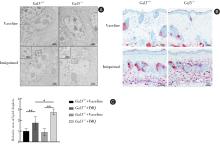
Fig.1
Lipid accumulation in skin lesions in a Gal3-/- mouse model of psoriasis"
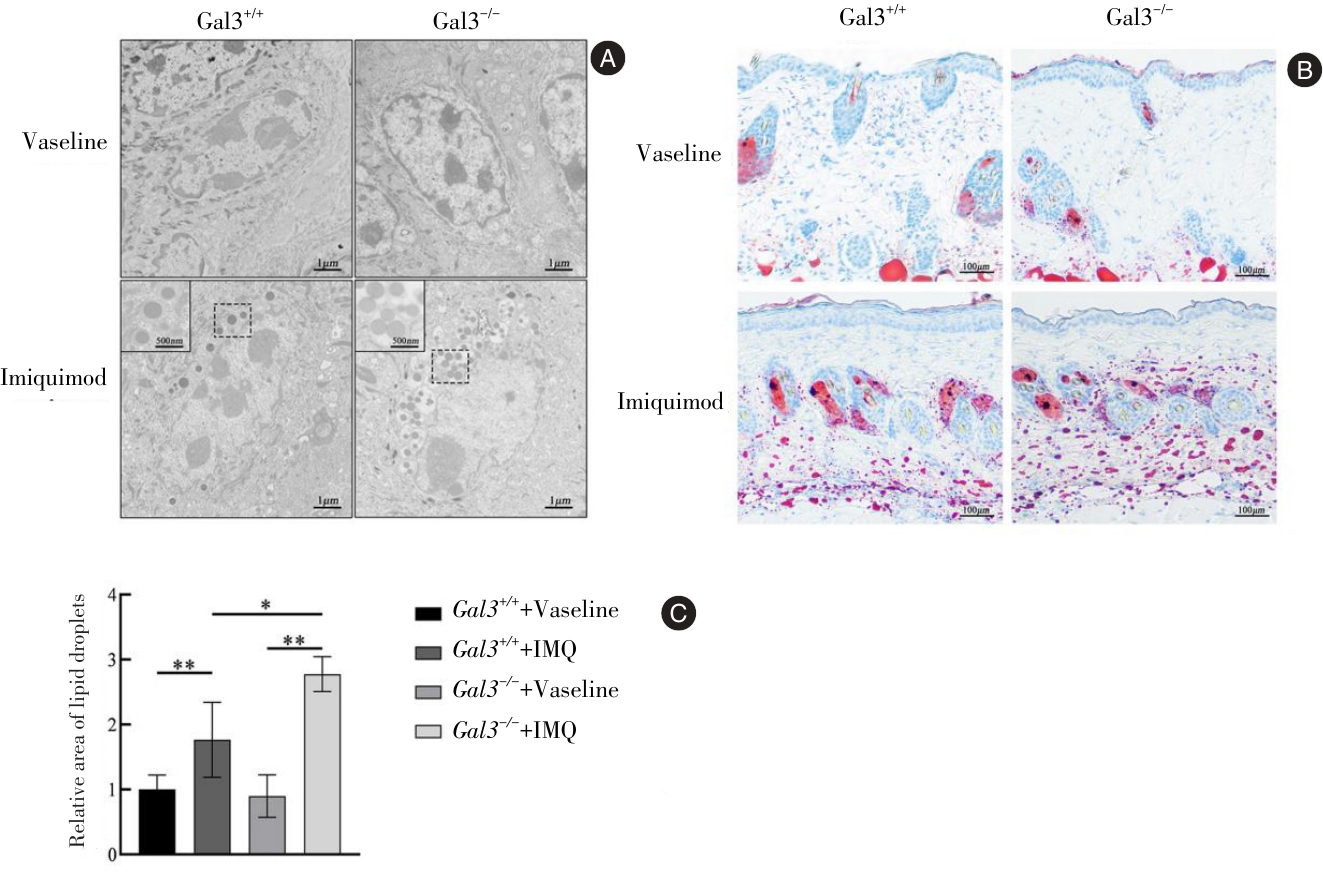
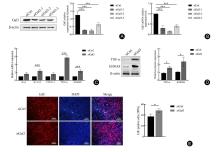
Fig.2
The impact of decreased Gal3 expression in HaCaT cells on cell function"
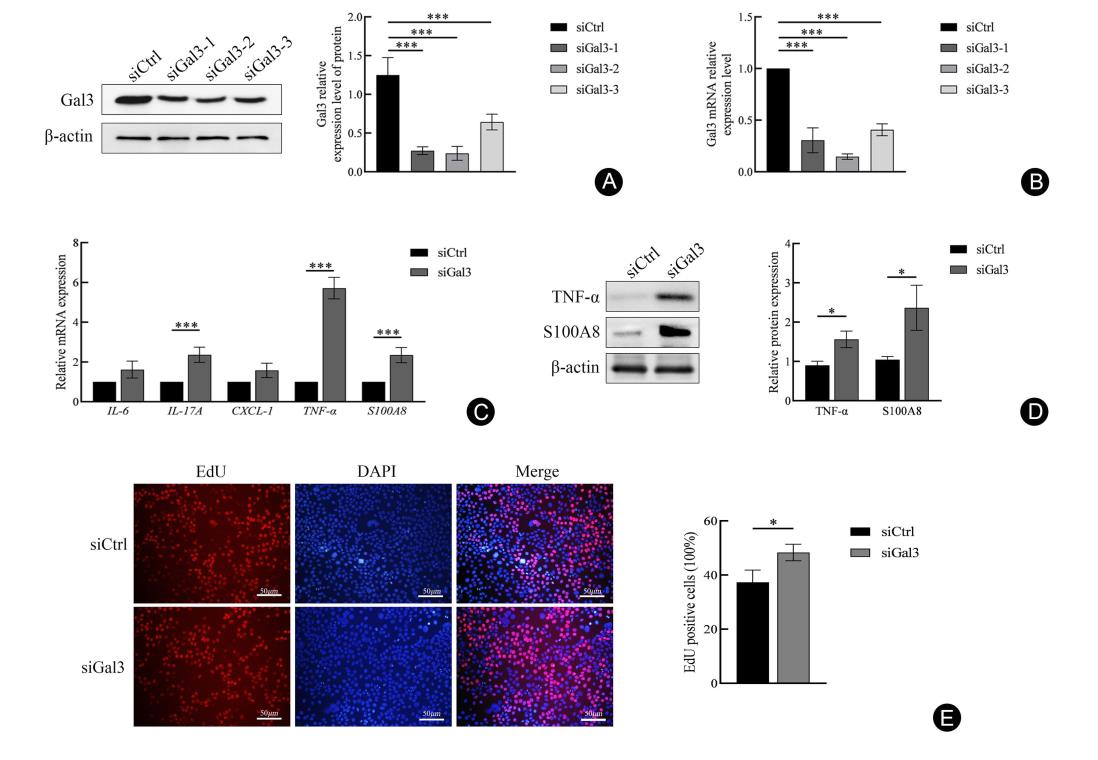
Fig.3
Effect of decreased Gal3 expression in HaCaT cells on genes related to lipid metabolism"
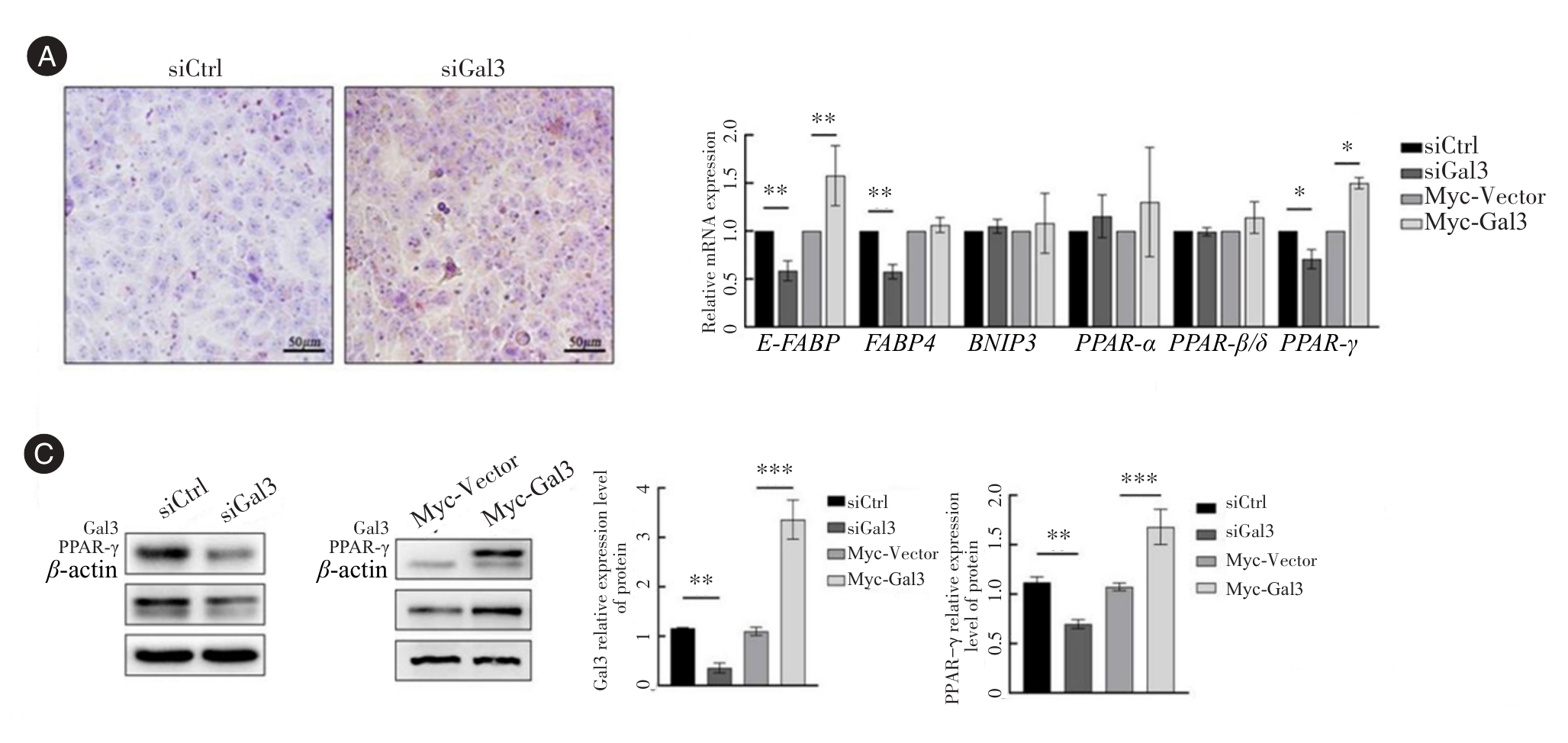
Fig.4
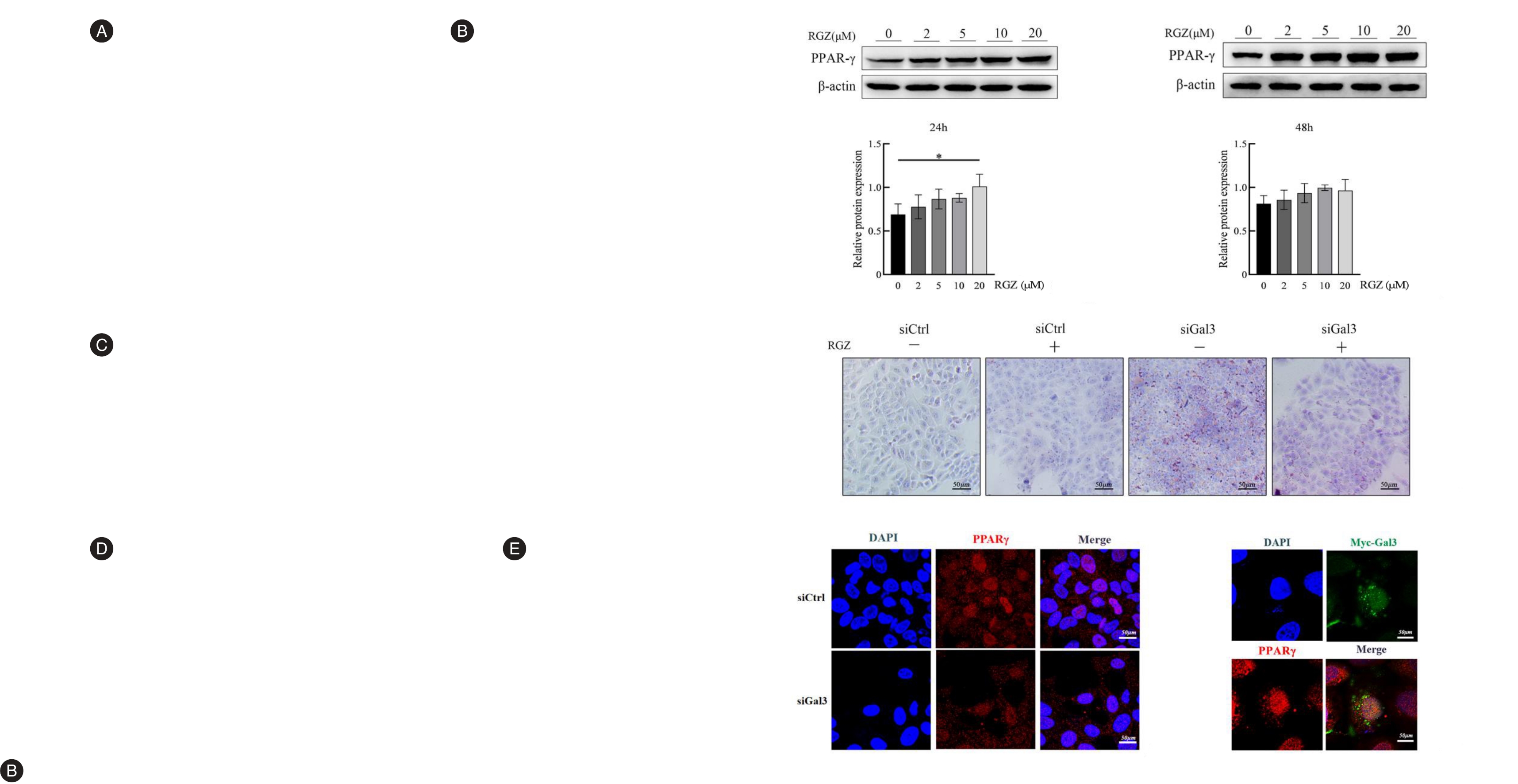
The impact of Gal3 on the PPAR signaling pathway in psoriasis-related lipid metabolism"
| [1] |
SHARMA A, DHIMAN S, SINGH T G, et al. Psoriasis unveiled: The cellular ballet, molecular symphony, and genetic puzzle[J].Int Immunopharmacol,2025,161:115021.doi:10.1016/j.intimp.2025.115021 .
doi: 10.1016/j.intimp.2025.115021 |
| [2] |
AMARA S, PASUMARTHI A, PARIKH N, et al. Psoriasis management tree based on comorbidity[J].Int J Dermatol,2025,64(2):229-245.doi:10.1111/ijd.17497 .
doi: 10.1111/ijd.17497 |
| [3] |
SUGUMARAN D, YONG A C H, STANSLAS J. Advances in psoriasis research: From pathogenesis to therapeutics[J].Life Sci,2024,355:122991.doi:10.1016/j.lfs.2024.122991 .
doi: 10.1016/j.lfs.2024.122991 |
| [4] |
ANTAL D, ALIMOHAMMADI S, BAI P, et al. Antigen-presenting cells in psoriasis[J].Life (Basel),2022,12(2) :234. doi: 10.3390/life12020234 .
doi: 10.3390/life12020234 |
| [5] |
MCLEOD K A, DI GREGORIO M, TINNEY D, et al. Galectin-3/gelatin electrospun scaffolds modulate collagen synthesis in skin healing but do not improve wound closure kinetics[J].Bioengineering (Basel, Switzerland),2024,11(10):960.doi:10.3390/bioengineering11100960 .
doi: 10.3390/bioengineering11100960 |
| [6] |
LARSEN L, CHEN H Y, SAEGUSA J, et al. Galectin-3 and the skin[J].J Dermatol Sci,2011,64(2):85-91.doi:10.1016/j.jdermsci.2011.07.008 .
doi: 10.1016/j.jdermsci.2011.07.008 |
| [7] |
SAEGUSA J, HSU D K, CHEN H Y, et al. Galectin-3 is critical for the development of the allergic inflammatory response in a mouse model of atopic dermatitis[J].Am J Pathol,2009,174(3):922-931.doi:10.2353/ajpath.2009.080500 .
doi: 10.2353/ajpath.2009.080500 |
| [8] |
KALINSKA-BIENIAS A, KOWALCZYK E, BIENIAS P, et al. Serum galectin-3 and galectin-3 binding protein levels in systemic lupus erythematosus and cutaneous lupus erythematosus[J].Postepy Dermatol Alergol,2021,38(2):274-280.doi:10.5114/ada.2020.92320 .
doi: 10.5114/ada.2020.92320 |
| [9] |
PEIRO T, ALONSO-CARPIO M, RIBERA P, et al. Increased expression of galectin-3 in skin fibrosis: Evidence from in vitro and in vivo studies[J].Int J Mol Sci,2022,23(23) :15319.doi:10.3390/ijms232315319 .
doi: 10.3390/ijms232315319 |
| [10] |
SHI Z R, TAN G Z, CAO C X, et al. Decrease of galectin-3 in keratinocytes: A potential diagnostic marker and a critical contributor to the pathogenesis of psoriasis[J].J Autoimmun,2018,89:30-40.doi:10.1016/j.jaut.2017.11.002 .
doi: 10.1016/j.jaut.2017.11.002 |
| [11] |
WONG Y, NAKAMIZO S, TAN K J, et al. An update on the role of adipose tissues in psoriasis[J].Front Immunol,2019,10:1507.doi:10.3389/fimmu.2019.01507 .
doi: 10.3389/fimmu.2019.01507 |
| [12] |
WU J J, KAVANAUGH A, LEBWOHL M G, et al. Psoriasis and metabolic syndrome: Implications for the management and treatment of psoriasis[J].J Eur Acad Dermatol Venereol,2022,36(6):797-806.doi:10.1111/jdv.18044 .
doi: 10.1111/jdv.18044 |
| [13] |
NOWOWIEJSKA J, BARAN A, FLISIAK I. Aberrations in lipid expression and metabolism in psoriasis[J].Int J Mol Sci,2021,22(12) :6561.doi:10.3390/ijms22126561 .
doi: 10.3390/ijms22126561 |
| [14] |
GAO Y, YI X, DING Y. Combined transcriptomic analysis revealed akr1b10 played an important role in psoriasis through the dysregulated lipid pathway and overproliferation of keratinocyte[J].Biomed Res Int,2017,2017:8717369.doi:10.1155/2017/8717369 .
doi: 10.1155/2017/8717369 |
| [15] |
HERBERT D, FRANZ S, POPKOVA Y, et al. High-fat diet exacerbates early psoriatic skin inflammation independent of obesity: Saturated fatty acids as key players[J].J Invest Dermatol,2018,138(9):1999-2009.doi:10.1016/j.jid.2018.03.1522 .
doi: 10.1016/j.jid.2018.03.1522 |
| [16] |
GAO Z, LIU Z, WANG R, et al. Galectin-3 is a potential mediator for atherosclerosis[J].J Immunol Res,2020,2020:5284728.doi:10.1155/2020/5284728 .
doi: 10.1155/2020/5284728 |
| [17] |
YU H, YANG F, ZHONG W, et al. Secretory galectin-3 promotes hepatic steatosis via regulation of the ppargamma/cd36 signaling pathway[J].Cell Signal,2021,84:110043.doi:10.1016/j.cellsig.2021.110043 .
doi: 10.1016/j.cellsig.2021.110043 |
| [18] |
SUN Z, ZHANG L, LI L, et al. Galectin-3 mediates cardiac remodeling caused by impaired glucose and lipid metabolism through inhibiting two pathways of activating akt[J].Am J Physiol Heart Circ Physiol,2021,320(1):H364-H380.doi:10.1152/ajpheart.00523.2020 .
doi: 10.1152/ajpheart.00523.2020 |
| [19] |
程美琦, 金柱, 张丁, 等. Galectin-3缺失对银屑病小鼠模型中肥大细胞活化及皮肤损伤的影响[J]. 中国免疫学杂志,2024,40(4):686-692.doi:10.3969/j.issn.1000-484X.2024.04.003 .
doi: 10.3969/j.issn.1000-484X.2024.04.003 |
| [20] |
SELEIT I, BAKRY O A, GAYED E ABD EL, et al. Peroxisome proliferator-activated receptor-γ gene polymorphism in psoriasis and its relation to obesity, metabolic syndrome, and narrowband ultraviolet b response: A case-control study in egyptian patients[J].Indian J Dermatol,2019,64(3):192-200.doi:10.4103/ijd.IJD_114_18 .
doi: 10.4103/ijd.IJD_114_18 |
| [21] |
ELYOUSSFI S, RANE S S, EYRE S, et al. Tyk2 as a novel therapeutic target in psoriasis[J].Expert Rev Clin Pharmacol,2023,16(6):549-558.doi:10.1080/17512433.2023.2219054 .
doi: 10.1080/17512433.2023.2219054 |
| [22] |
DOROCHOW E, KÖHM M, HAHNEFELD L, et al. Metabolic profiling in rheumatoid arthritis, psoriatic arthritis, and psoriasis: Elucidating pathogenesis, improving diagnosis, and monitoring disease activity[J].J Pers Med,2022,12(6):924.doi:10.3390/jpm12060924 .
doi: 10.3390/jpm12060924 |
| [23] |
RUSIÑOL L, PUIG L. Multi-omics approach to improved diagnosis and treatment of atopic dermatitis and psoriasis[J].Int J Mol Sci,2024,25(2):1042.doi:10.3390/ijms25021042 .
doi: 10.3390/ijms25021042 |
| [24] |
LIU S, HE M, JIANG J, et al. Triggers for the onset and recurrence of psoriasis: A review and update[J].Cell Commun Signal,2024,22(1):108.doi:10.1186/s12964-023-01381-0 .
doi: 10.1186/s12964-023-01381-0 |
| [25] |
CONSTANTIN C, DOBRE E, MUNTEANU A N, et al. Psoriasis, stem cells, and obesity: Metabolic exploration for therapeutics[J].J Med Life,2025,18(7):608-620.doi:10.25122/jml-2025-0033 .
doi: 10.25122/jml-2025-0033 |
| [26] |
ZHOU X, SU J, ZHANG C, et al. Decreased expression of galectin-3 in the epidermis of psoriasis patients[J].Eur J Dermatol,2024,34(4):371-377.doi:10.1684/ejd.2024.4733 .
doi: 10.1684/ejd.2024.4733 |
| [27] |
BARAN A, KILUK P, NOWOWIEJSKA J, et al. Galectin-3 as a novel multifaceted and not only cardiovascular biomarker in patients with psoriasis with regard to systemic treatment-preliminary data[J].Biology,2022,11(1):88.doi:10.3390/biology11010088 .
doi: 10.3390/biology11010088 |
| [28] |
周仲芳, 李洋, 杨思进, 等. 原发性高血压患者血清自噬相关蛋白9a、半乳糖凝集素-3与左心室肥厚的相关性[J].实用医学杂志,2023,39(16):2071-2076.doi:10.3969/j.issn.1006-5725.2023.16.010 .
doi: 10.3969/j.issn.1006-5725.2023.16.010 |
| [29] |
SOBOLEV V V, TCHEPOURINA E, KORSUNSKAYA I M, et al. The role of transcription factor ppar-gamma in the pathogenesis of psoriasis, skin cells, and immune cells[J].Int J Mol Sci,2022,23(17).doi:10.3390/ijms23179708 .
doi: 10.3390/ijms23179708 |
| [30] |
LIN X, MENG X, SONG Z, et al. Peroxisome proliferator-activator receptor gamma and psoriasis, molecular and cellular biochemistry[J].Mol Cell Biochem,2022,477(7):1905-1920.doi:10.1007/s11010-022-04417-0 .
doi: 10.1007/s11010-022-04417-0 |
| [31] |
郑锦芬,石翠萍,凌云霞,等.TINCR-MAF:MAFB转录因子网络对人角质形成细胞增殖和分化的影响[J].实用医学杂志,2025,41(4):509-514.doi:10.3969/j.issn.1006-5725.2025.04.007 .
doi: 10.3969/j.issn.1006-5725.2025.04.007 |
| [32] |
WANG Q, ZENG F, FANG C, et al. Galectin-3 alleviates demyelination by modulating microglial anti-inflammatory polarization through pparγ-cd36 axis[J].Brain Res,2024,1842:149106.doi:10.1016/j.brainres.2024.149106 .
doi: 10.1016/j.brainres.2024.149106 |
| [33] |
HUANG W, JIANG M, WANG X, et al. Non-sugar sweetener rubusoside alleviates lipid metabolism disorder in vivo and in vitro by targeting pparγ/α, lgals3, and mknk2[J].J Agric Food Chem,2024,72(46):25601-25619.doi:10.1021/acs.jafc.4c06018 .
doi: 10.1021/acs.jafc.4c06018 |
| [34] |
周玉婵, 郑荣昌, 李华润, 等. 组织常驻记忆T细胞对咪喹莫特二次诱导银屑病样小鼠皮损的影响[J].实用医学杂志,2025,41(9):1327-1331.doi:10.3969/j.issn.1006-5725.2025.09.008 .
doi: 10.3969/j.issn.1006-5725.2025.09.008 |
| [1] | Sokhan CHOI,Dongning ZHU,Haowei XU,Jiaqi HUANG,Xiaoyu LI,Zhuohao LI,Xiufeng LIU,Yuhong YAN. Application of a deep learning-based tongue image classification system in TCM syndrome identification of psoriasis [J]. The Journal of Practical Medicine, 2026, 42(3): 395-405. |
| [2] | Yuchan ZHOU,Rongchang ZHENG,Huarun LI,Jinping HUANG,Si QIN,Ting LI,Zhenyu LU,Sihui LI,Xianwen LI,Mujin LI,Ju WEN. Expression of TRM cells in the lesions of imiquimod⁃induced models of psoriasis in mice [J]. The Journal of Practical Medicine, 2025, 41(9): 1327-1331. |
| [3] | Mingmei MA,Xiaochun MA,Shenghua MA,Yijin LI,Guifang JI. Effect of semaglutide injection on glycolipid metabolism and adipokine in the treatment of type 2 diabetes mellitus with different body mass index [J]. The Journal of Practical Medicine, 2025, 41(9): 1394-1400. |
| [4] | Jinfen ZHENG,Cuiping SHI,Yunxia LING,Dehua ZHANG,Qianyu ZHAI,Lijia ZHU,Doukou JIANG,Xiaohong WANG,Yonghui. LAI. Effect of TINCR⁃MAF: MAFB transcription factor network on proliferation and differentiation of human kerathnocytes [J]. The Journal of Practical Medicine, 2025, 41(4): 509-514. |
| [5] | Weizun LI,Chen XING,Hengqing AN. STAT activation inhibitory protein 2 is involved in reprogramming of lipid metabolism by regulating the prostate cancer development [J]. The Journal of Practical Medicine, 2025, 41(18): 2844-2852. |
| [6] | Jingrui LI,Yaoyu SUO,Tian TIAN,Ping CAO,Zhifeng DONG,Nan JIANG,Huiping ZHANG,Kai WU,Qing SHI,Guizhong. LI. Study on the mechanism of PPARγ‐Targeted intervention in abnormal lipid Metabolism‐Induced dysfunction in placental trophoblast cells in preeclampsia and its clinical relevance [J]. The Journal of Practical Medicine, 2025, 41(16): 2489-2497. |
| [7] | Pengshuai SUN,Feng ZHU,Lihong ZHENG,Haiqiang WANG. Research progress in the treatment of AMPK regulating lipid accumulation in the treatment of nonalcoholic fatty liver disease [J]. The Journal of Practical Medicine, 2024, 40(6): 862-866. |
| [8] | Jia CUI,Mingming ZHANG,Na WANG,Wei GAO,Fei LI. Correlation analysis of glucose and lipid metabolism indicators combined with antiphospholipid antibodies on prognosis of patients with atherosclerosis [J]. The Journal of Practical Medicine, 2024, 40(3): 326-329. |
| [9] | Xinwen BI,Yuanjie CUI,Qiuxian LU,Jia CUI,Fan BU,Fang HE,Hua YANG,Ming. LI. Immunomodulatory effects of intestinal flora on glucose and lipid metabolism disorders in high⁃fat diet induced obese mice [J]. The Journal of Practical Medicine, 2024, 40(11): 1505-1512. |
| [10] | Yang WU,Jian YAO,Jinliang. CHEN. The mechanism of lipid metabolism disorders promoting progression of lung cancer based on the oxLDL/LOX⁃1 signaling pathway [J]. The Journal of Practical Medicine, 2024, 40(1): 19-24. |
| [11] | Sitong LI,Ao WANG,Yanping BAI,Ying. WANG. Effects of T follicular helper cells and IL⁃21 on proliferation and cell cycle of HaCaT cellsinpsoriasis [J]. The Journal of Practical Medicine, 2023, 39(18): 2342-2348. |
| [12] | Yang LI,Sijin YANG,Houping XU,Gang LUO,Xianlun PANG,Suqiong HUANG,Zhongfang. ZHOU. Correlation of serum autophagy⁃related protein 9a and galectin⁃3 with left ventricular hypertrophy in essential hypertension patients [J]. The Journal of Practical Medicine, 2023, 39(16): 2071-2076. |
| [13] | YAO Fang⁃ ming, HE Mincong, HE Xiaoming, WEI Qiushi, HE Wei. . Advances in the characterization of lipid metabolism in synovial fluid with knee osteoarthritis [J]. The Journal of Practical Medicine, 2023, 39(15): 1992-1997. |
| [14] |
WU Weiwei , HAN Junya, ZHANG Yan, HOU Xiaoqiang, FANG Xianfeng..
The role of reflectance confocal microscopy in the efficacy evaluation of secukinumab for psoriasis [J]. The Journal of Practical Medicine, 2022, 38(24): 3072-3076. |
| [15] |
SUN Chunxia, CHEN Shukun, ZHENG Lei..
Differential expression of PRKAA2 gene in multiple tumor cell lines versus WBC [J]. The Journal of Practical Medicine, 2021, 37(18): 2326-2331. |
| Viewed | ||||||
|
Full text |
|
|||||
|
Abstract |
|
|||||
