实用医学杂志 ›› 2025, Vol. 41 ›› Issue (22): 3467-3473.doi: 10.3969/j.issn.1006-5725.2025.22.001

• 专题报道:生殖健康 •    

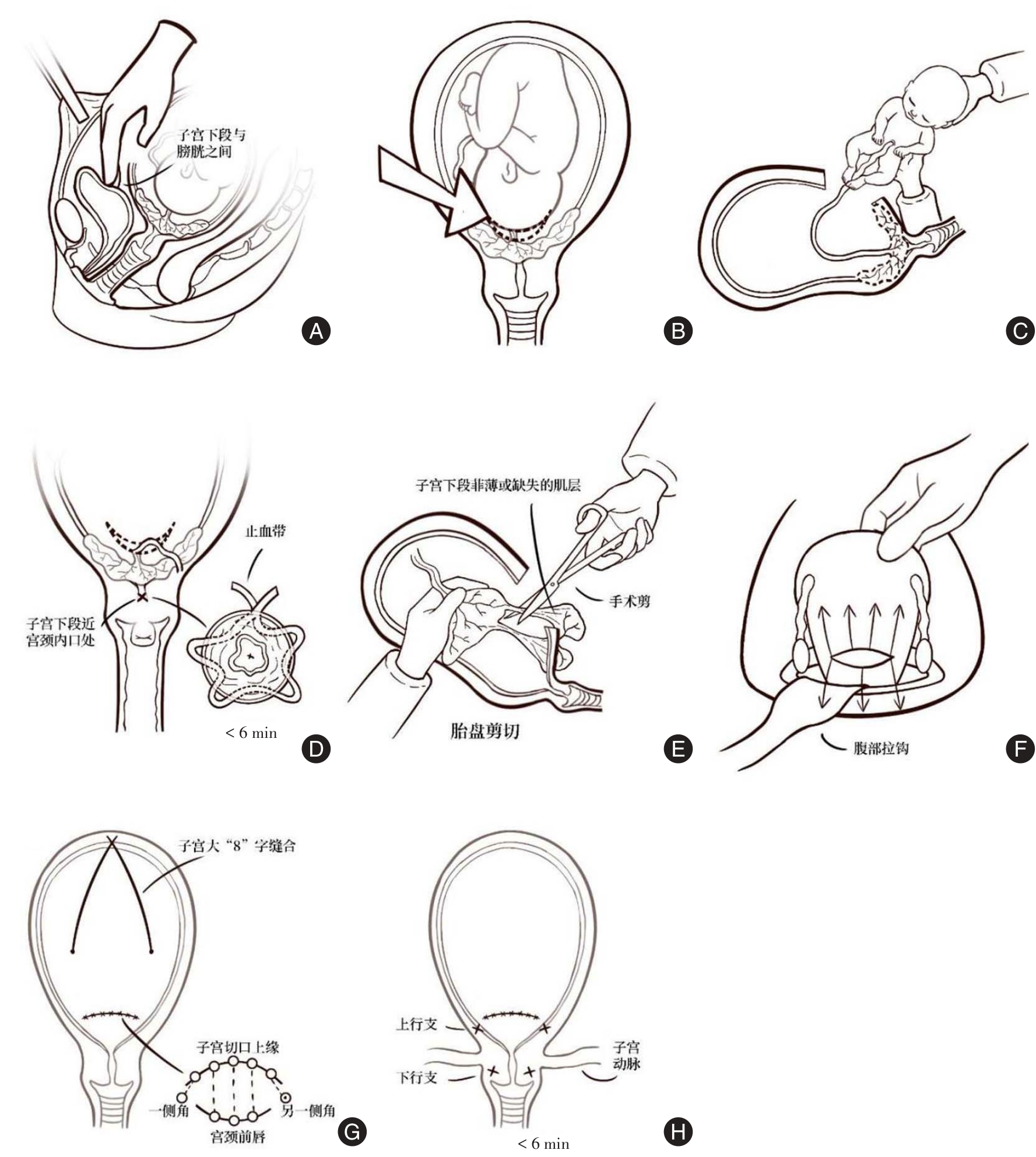
改良式剖宫产术对胎盘植入性疾病妊娠结局的应用效果

魏志霞,冯莉,杨海澜()   

  1. 山西医科大学第一医院产科 (山西 太原 030001 )
  • 收稿日期:2025-06-26 出版日期:2025-11-25 发布日期:2025-11-26
  • 通讯作者: 杨海澜 E-mail:yanghailan100@163.com
  • 基金资助:
    中央引导地方科技发展资金项目(YDZJSX2022B010);山西省基础研究计划项目(202403021212270)

Analysis of the application effects of modified cesarean section techniques on the pregnancy outcomes with the placenta accreta spectrum

Zhixia WEI,Li FENG,Hailan. YANG()   

  1. Department of Obstetrics and Gynecology,the First Hospital of Shanxi Medical University,Taiyuan 030001,Shanxi,China
  • Received:2025-06-26 Online:2025-11-25 Published:2025-11-26
  • Contact: Hailan. YANG E-mail:yanghailan100@163.com

摘要:

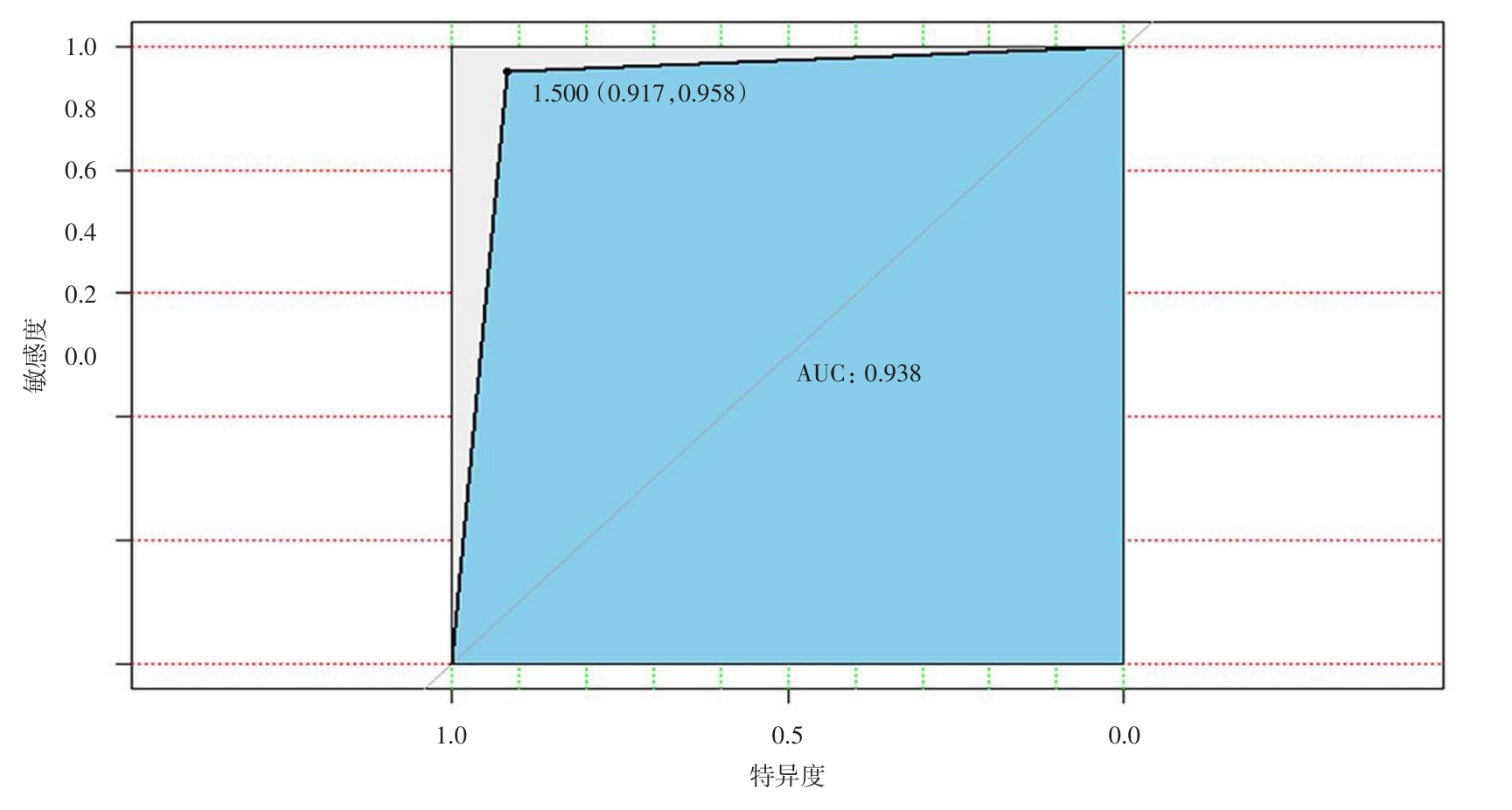
目的 探析改良式剖宫产术对胎盘植入性疾病(PAS)妊娠结局的应用效果。 方法 采用回顾性研究设计,选取于2016年1月至2025年1月间在山西医科大学第一医院行剖宫产手术的176例PAS孕妇作为研究对象,2021年1月17日前接受传统剖宫产手术的患者为对照组(n = 115),2021年1月17日后接受改良剖宫产手术的患者为改良组(n = 61)。收集并比较两组患者孕周、年龄、孕次、术中出血量等临床资料;后使用随机森林算法构建PAS不良妊娠结局的风险预测模型。 结果 改良组中仅1例患者需要进行子宫切除(1.64%),显著低于对照组的19例(16.52%)。此外,改良组患者术中诊断胎盘植入率高于对照组,改良组患者失血性休克、弥散性血管内凝血、新生儿窒息的发生率低于对照组,而发生子宫捆绑和子宫动脉结扎术的比例高于对照组,差异有统计学意义(P < 0.05)。将患者按照出血量分为低出血量和高出血量两个亚组进行后续分析,结果显示,两组患者孕次比较,差异有统计学意义(P < 0.05);而两组中进行改良术式的患者比例差异无统计学意义(P > 0.05)。构建模型预测难治性产后出血(AUC = 0.938,95%CI:0.917 ~ 0.958),采用Gini系数进行模型特征分析,孕次、流产次数及超声诊断胎盘植入等自变量在预测难治性产后出血方面发挥着关键作用(P < 0.05)。 结论 改良剖宫产术式在处理PAS时,能够有效减少术中及术后的出血量,显著降低子宫切除的风险,从而改善妊娠结局。

关键词: 凶险性前置胎盘, 难治性产后出血, 改良式剖宫产术, 子宫切除, 妊娠结局

Abstract:

Objective To evaluate the impact of modified cesarean section techniques on pregnancy outcomes in cases involving placenta accreta spectrum (PAS). Methods A retrospective study was conducted to enroll 176 pregnant women with PAS who underwent cesarean delivery at the First Hospital of Shanxi Medical University between January 2016 and January 2025. Patients who received traditional cesarean delivery before January 17, 2021, were assigned to the control group (n = 115), while those who underwent a modified cesarean procedure after that date were included in the modified group (n = 61). Clinical data, including gestational age, maternal age, gravidity, and intraoperative blood loss, were collected and compared between the two groups. Subsequently, a random forest algorithm was employed to develop a risk prediction model for adverse pregnancy outcomes in patients with PAS. Results In the modified group, only one patient required a hysterectomy (1.64%), which was significantly lower than the 19 cases observed in the control group (16.52%). The modified group also demonstrated a higher intraoperative diagnosis rate of placenta accreta, along with lower incidences of hemorrhagic shock, disseminated intravascular coagulation, and neonatal asphyxia compared to the control group. However, the proportions of patients undergoing uterine compression sutures and uterine artery ligation were higher in the modified group, with statistically significant differences (P < 0.05). Patients were further classified into low?bleeding and high?bleeding subgroups for subgroup analysis. A significant difference in gravidity was observed between the two subgroups (P < 0.05), whereas no significant difference was found in the proportion of patients receiving the modified procedure (P > 0.05). A predictive model for refractory postpartum hemorrhage was developed with high discriminative ability (AUC = 0.938, 95%CI: 0.917 ~ 0.958). Gini coefficient analysis identified gravidity, number of abortions, and ultrasound diagnosis of placenta accreta as key predictors of refractory postpartum hemorrhage (P < 0.05). Conclusion Improved cesarean section techniques can effectively reduce intraoperative and postoperative bleeding in cases of PAS, significantly lowering the risk of hysterectomy and thereby improving pregnancy outcomes.

Key words: placenta previa perils, refractory postpartum hemorrhage, modified cesarean section, hysterectomy, pregnancy outcomes

中图分类号: