

The Journal of Practical Medicine ›› 2025, Vol. 41 ›› Issue (20): 3145-3154.doi: 10.3969/j.issn.1006-5725.2025.20.002
• Basic Research • Previous Articles
Dongmei FANG1,Yuanyuan QI1,Chunjing CAO1,Fang WANG2( ),Mingze. LI3
Received:2025-07-06
Online:2025-10-25
Published:2025-11-05
Contact:
Fang WANG
E-mail:wflzdx2013@163.com
CLC Number:
Dongmei FANG,Yuanyuan QI,Chunjing CAO,Fang WANG,Mingze. LI. Clinical significance of circular RNA circ-PHC3 expression in cervical cancer tissues and its effects on the proliferation, migration and invasion of cervical cancer cells[J]. The Journal of Practical Medicine, 2025, 41(20): 3145-3154.
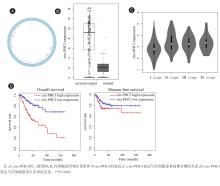
Fig.1
Analysis of circ-PHC3 expression in cervical cancer tissues by GEO database"
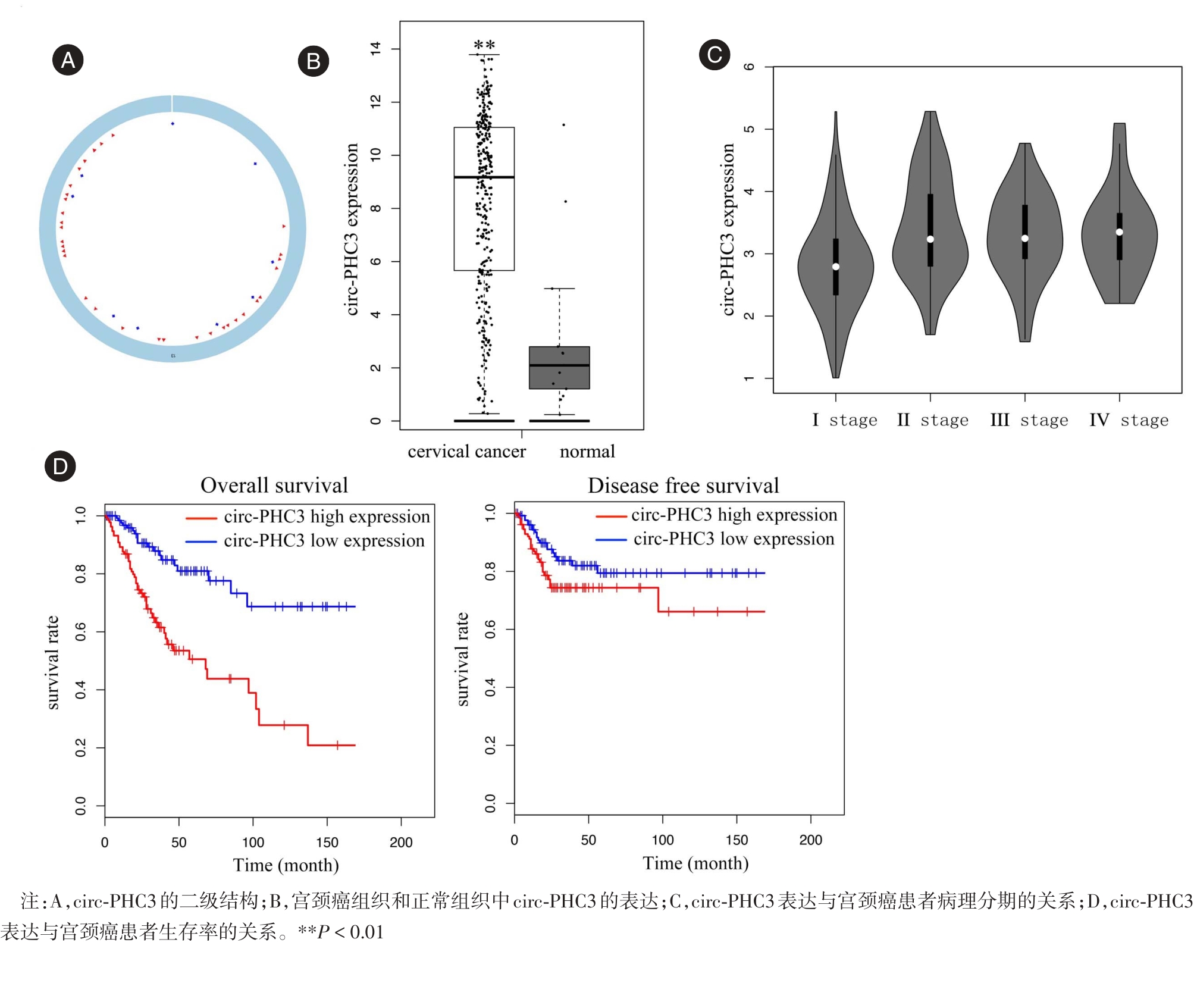
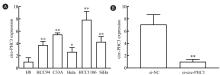
Fig.2
Expression of circ-PHC3 in cervical cancer cells and knockdown efficiency of si-circ-PHC3 plasmid"
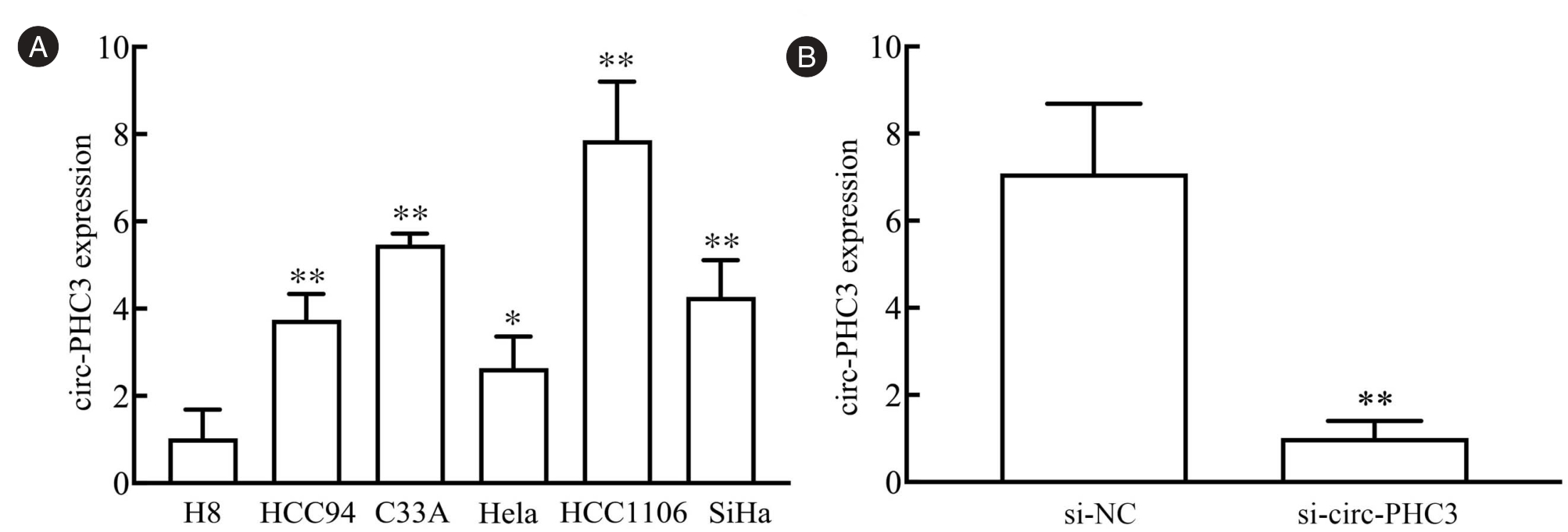
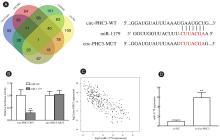
Fig.3
Interaction between circ-PHC3 and miR-1179"
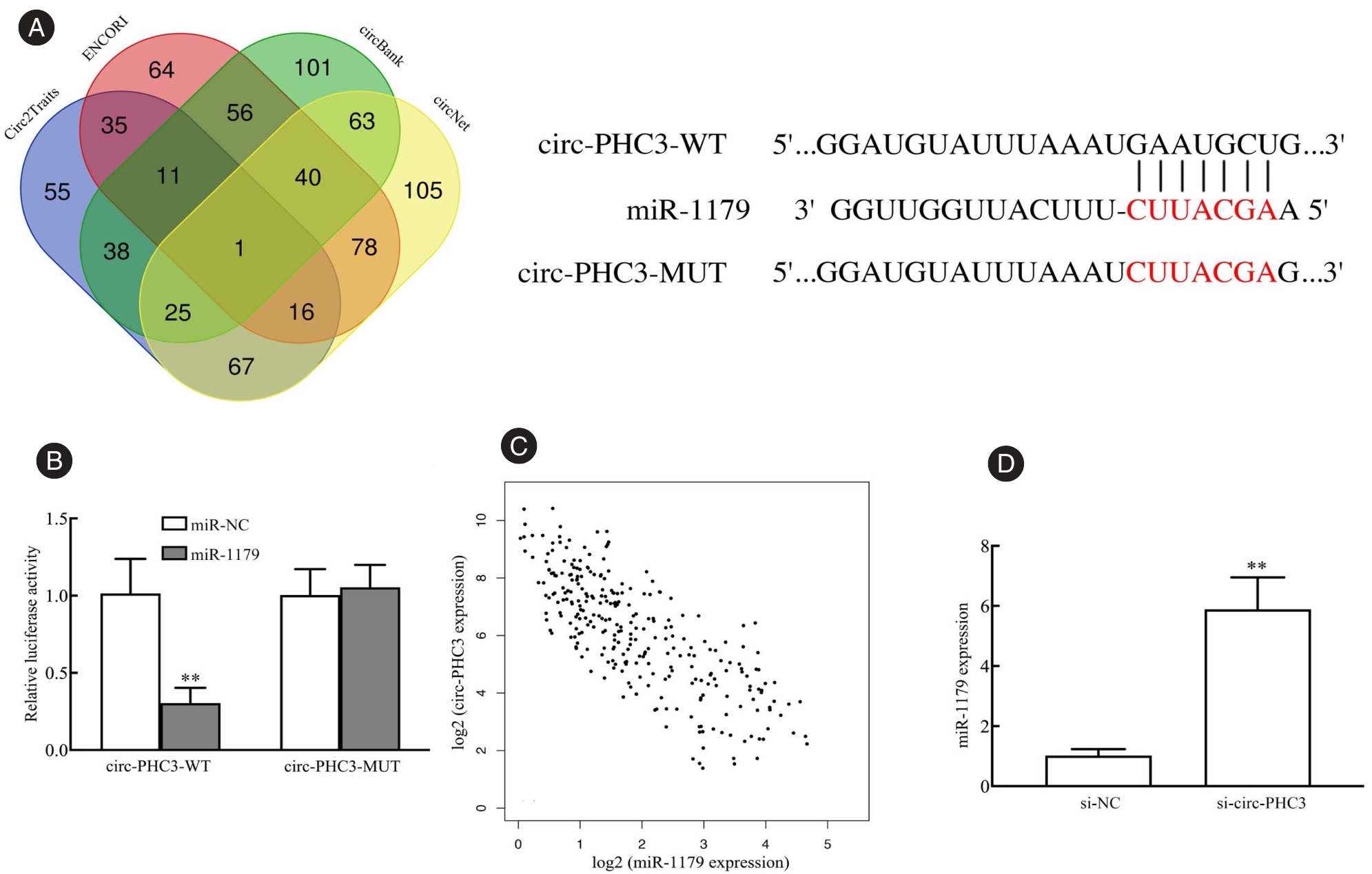
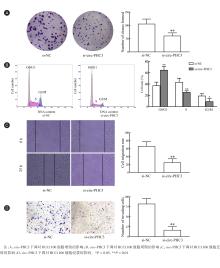
Fig.4
Effect of circ-PHC3 downregulation on HCC1106 cell proliferation, migration and invasion"
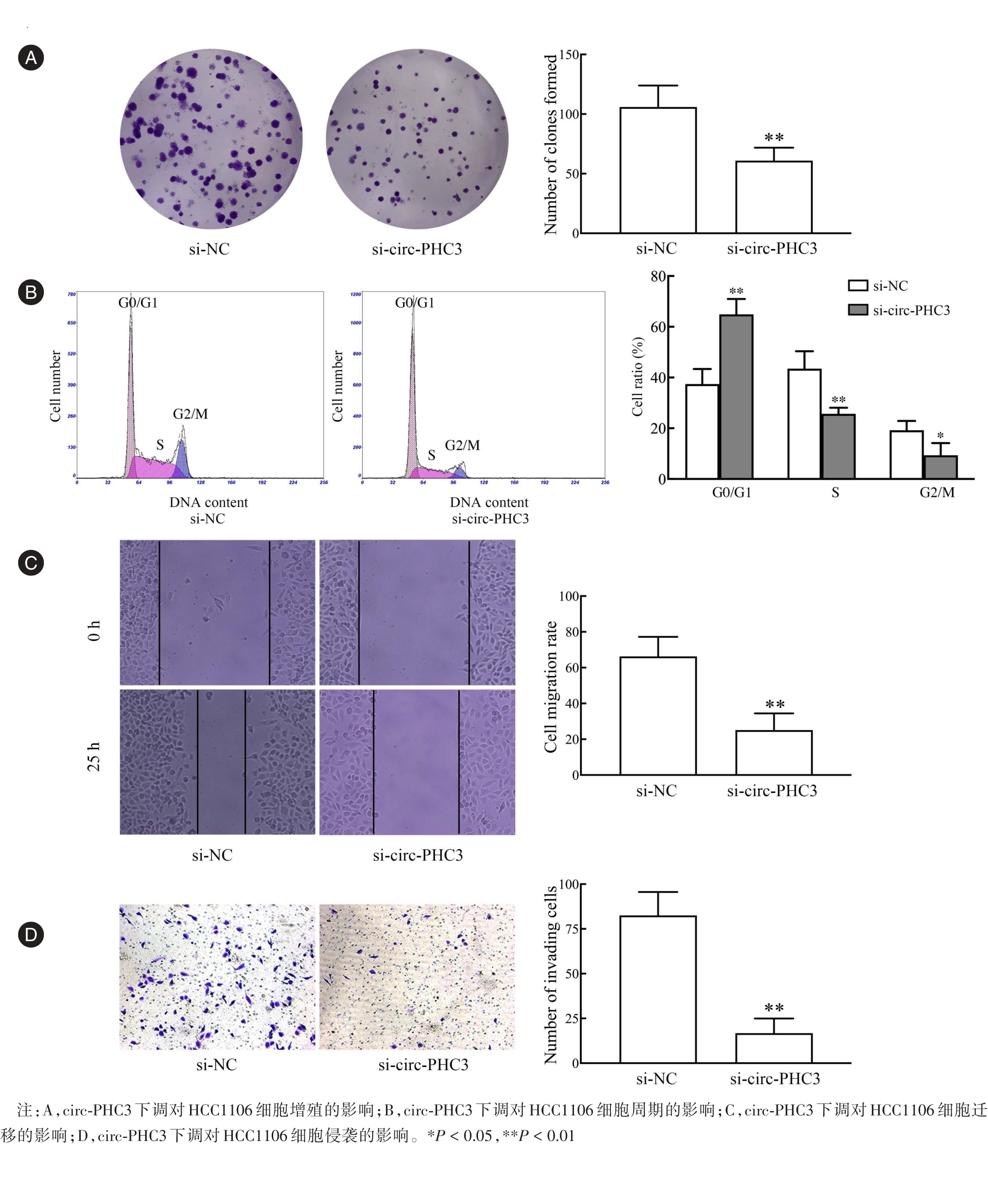
Fig.5
The effect of miR-1179 inhibitor partially rescued the effect of si-circ-PHC3 on the biological behavior of HCC1106 cells"
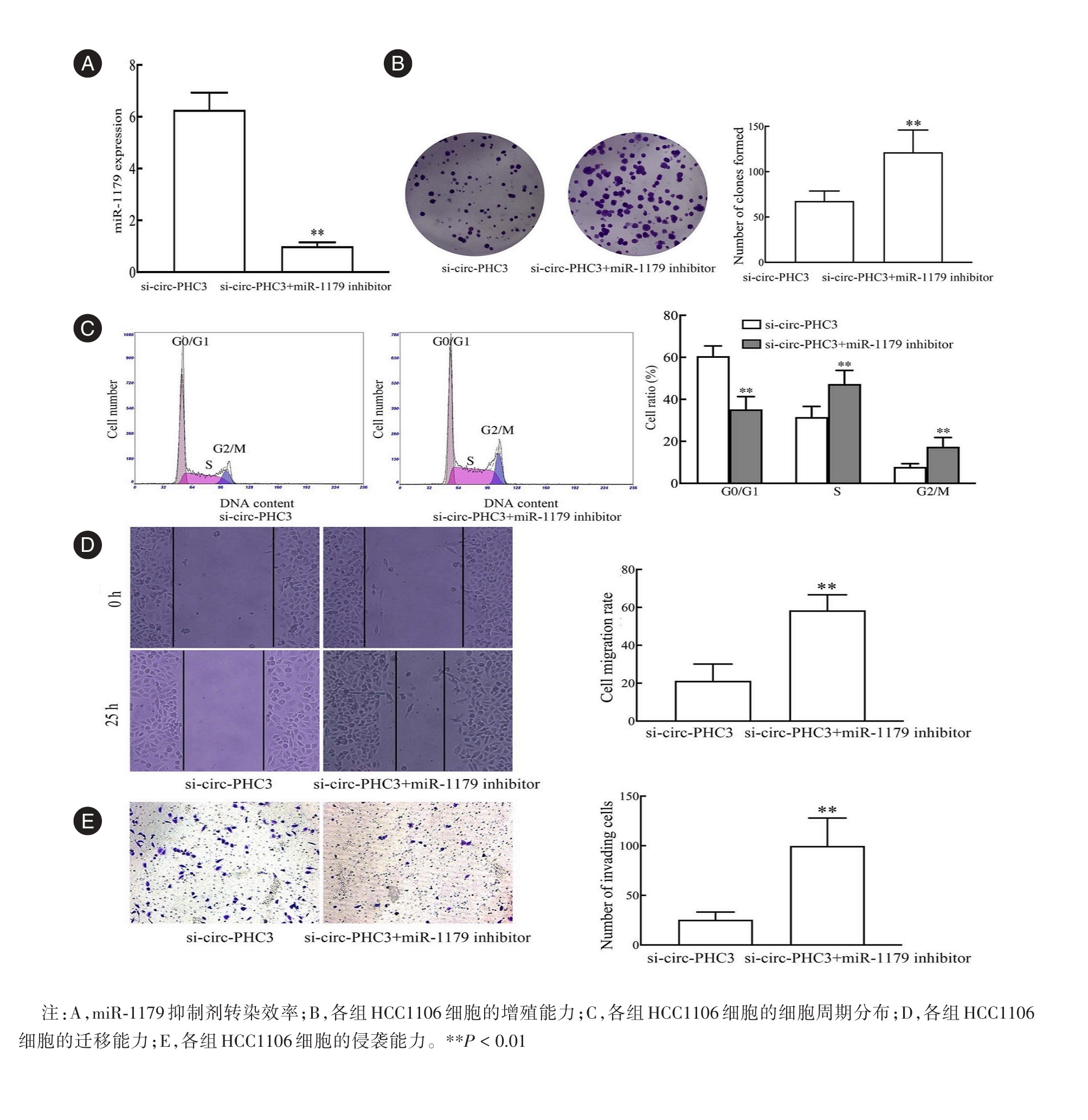
Fig.6
Western blot analysis of the expression of proliferation, migration and invasion phenotype proteins in HCC1106 cells"
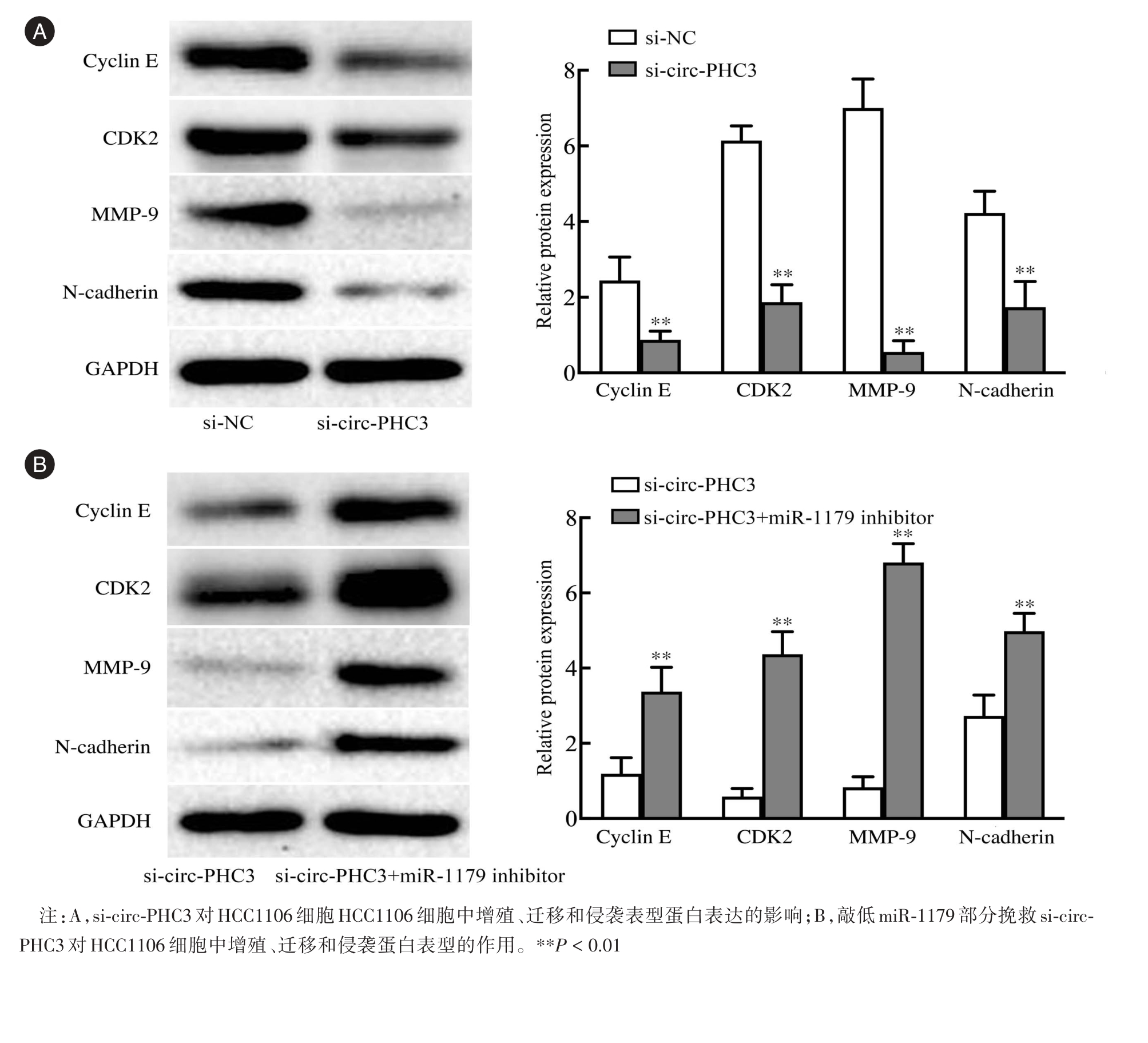
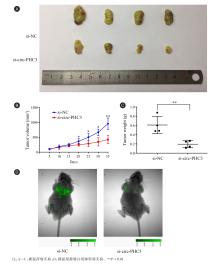
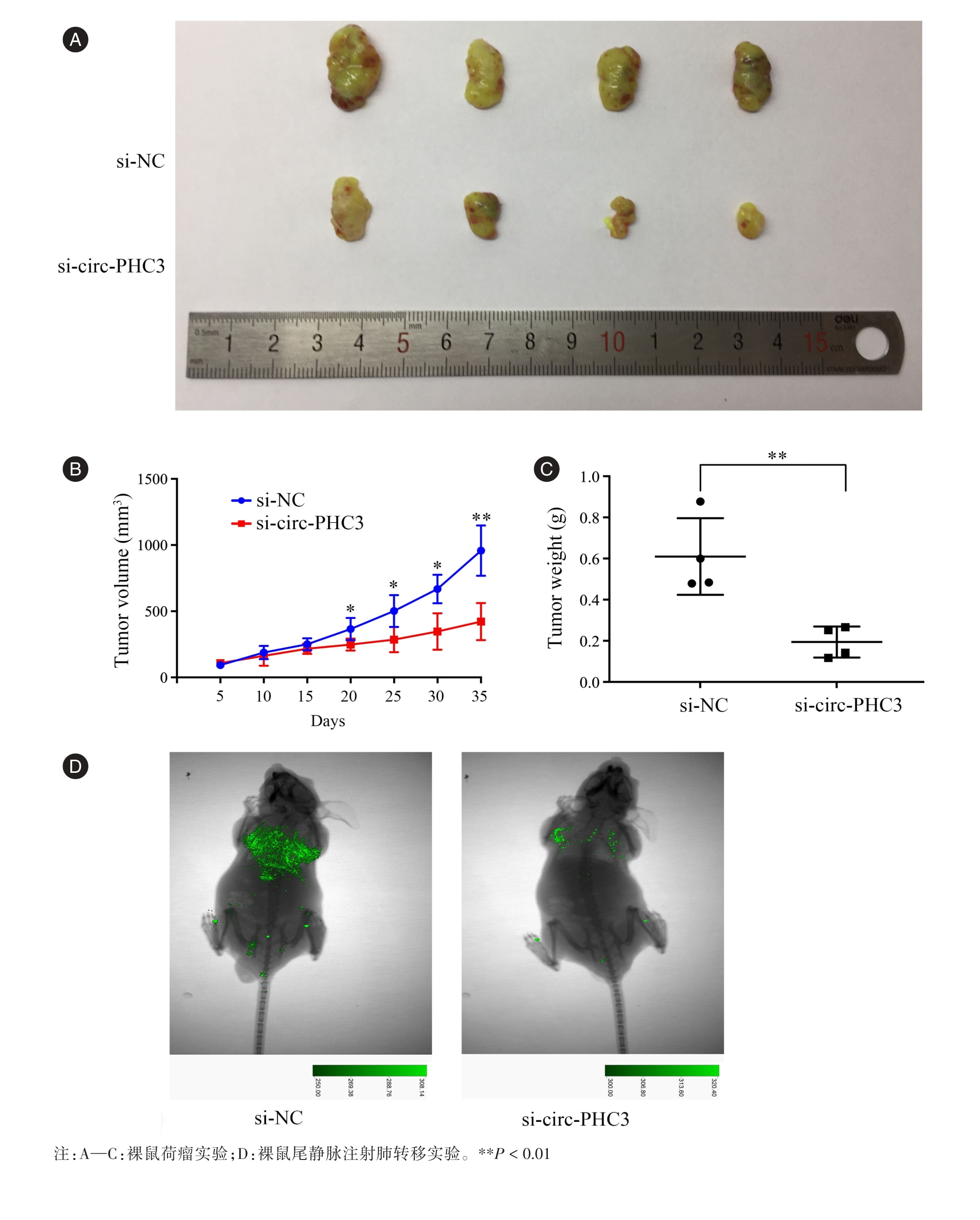
Fig.7
Effects of downregulating circ-PHC3 on the growth and metastasis of HCC1106 cells in vivo"
| [1] | ABU-RUSTUM N R, YASHAR C M, AREND R, et al. NCCN guidelines® insights: cervical cancer, version 1.2024 [J]. J Natl Compr Canc Netw, 2023, 21(12): 1224-1233. |
| [2] |
SAHASRABUDDHE V V. Cervical cancer: Precursors and prevention [J]. Hematol Oncol Clin North Am, 2024, 38(4): 771-781. doi:10.1016/j.hoc.2024.03.005
doi: 10.1016/j.hoc.2024.03.005 |
| [3] | 潘春玲, 易雪丽, 苏丽, 等. 环状RNA与动脉粥样硬化性缺血性脑卒中的研究进展 [J]. 实用医学杂志, 2024, 40(12): 1755-1761. |
| [4] |
CHEN Z, XU Z, WANG Q, et al. Exosome-delivered circRNA circSYT15 contributes to cisplatin resistance in cervical cancer cells through the miR-503-5p/RSF1 axis [J]. Cell Cycle, 2023, 22(20): 2211-2228. doi:10.1080/15384101.2023.2281768
doi: 10.1080/15384101.2023.2281768 |
| [5] |
ZEBARDAST A, LATIFI T, SHIRZAD M, et al. Critical involvement of circular RNAs in virus-associated cancers [J]. Genes Dis, 2023, 10(6): 2296-2305. doi:10.1016/j.gendis.2022.04.009
doi: 10.1016/j.gendis.2022.04.009 |
| [6] |
XU J, XUE B, GONG M, et al. circ_0000337 promotes the progression of cervical cancer by miR-155-5p/RAB3B axis [J]. Biochem Genet, 2024, 62(3): 2195-2209. doi:10.1007/s10528-023-10534-2
doi: 10.1007/s10528-023-10534-2 |
| [7] |
ZHANG Y, LIU P, WEN D, et al. Regulation of cervical cancer development by a novel circ_0000212/miR-1236-3p/GREM1 ceRNA crosstalk [J]. Mol Biotechnol, 2023, 65(12): 2086-2098. doi:10.1007/s12033-023-00721-2
doi: 10.1007/s12033-023-00721-2 |
| [8] |
WANG H, LAN S, WANG L, et al. Expression of circ-PHC3 enhances ovarian cancer progression via regulation of the miR-497-5p/SOX9 pathway [J]. J Ovarian Res, 2023, 16(1): 142. doi:10.1186/s13048-023-01170-w
doi: 10.1186/s13048-023-01170-w |
| [9] |
WANG J, CHEN X, ZHENG L, et al. Circ_0042986 presence restrains cervical cancer development via upregulating PEG3 by directly targeting miR-582-3p [J]. Reprod Sci, 2023, 30(3): 890-902. doi:10.1007/s43032-022-01053-3
doi: 10.1007/s43032-022-01053-3 |
| [10] |
LI Y, MENG F, SUI C, et al. CircRNA hsa_circ_0001627 aggravates cervical cancer progression through upregulation of FNDC3B and activating PI3K/mTOR signaling pathway [J]. J Cell Commun Signal, 2023, 17(3): 627-638. doi:10.1007/s12079-022-00696-w
doi: 10.1007/s12079-022-00696-w |
| [11] |
LIU C, LI Y. Hsa_circ_0000078 regulates miR-205-5p/EREG pathway to inhibit cervical cancer progression [J]. Mol Biotechnol, 2023, 65(9): 1453-1464. doi:10.1007/s12033-023-00658-6
doi: 10.1007/s12033-023-00658-6 |
| [12] | 刘景, 冷春涛, 王艳. circRNA SIPA1L1修饰牙髓干细胞来源外泌体促血管生成能力的机制 [J]. 实用医学杂志, 2024, 40(9): 1211-1217. |
| [13] |
WU L, XIAO H, HONG Y, et al. CircRNA Circ_0000118 regulates malignancy of cervical cancer cells by regulating miR-211-5p/miR-377-3p/AKT2 axis [J]. Biochem Genet, 2023, 61(4): 1625-1644. doi:10.1007/s10528-023-10332-w
doi: 10.1007/s10528-023-10332-w |
| [14] |
ZHENG W, MU H, CHEN J, et al. Circ_0002762 regulates oncoprotein ybx1 in cervical cancer via mir-375 to regulate the malignancy of cancer cells [J]. Protein Pept Lett, 2023, 30(2): 162-172. doi:10.2174/0929866530666230104155209
doi: 10.2174/0929866530666230104155209 |
| [15] |
ZHANG C, JIANG H, YUAN L, et al. CircVPRBP inhibits nodal metastasis of cervical cancer by impeding RACK1 O-GlcNAcylation and stability [J]. Oncogene, 2023, 42(11): 793-807. doi:10.1038/s41388-023-02595-9
doi: 10.1038/s41388-023-02595-9 |
| [16] | QIU F, OU D, TAN H, et al. The circCDK17/miR-122-5p/ASF1B axis regulates the progression of cervical cancer [J]. Histol Histopathol, 2023, 38(3): 359-371. |
| [17] |
MA T, GUO J, HAN J, et al. Circ_0001589/miR-1248/HMGB1 axis enhances EMT-mediated metastasis and cisplatin resistance in cervical cancer [J]. Mol Carcinog, 2023, 62(11): 1645-1658. doi:10.1002/mc.23605
doi: 10.1002/mc.23605 |
| [18] |
LI H, ZHENG S, WAN T, et al. Circular RNA circ_0000212 accelerates cervical cancer progression by acting as a miR-625-5p sponge to upregulate PTP4A1 [J]. Anticancer Drugs, 2023, 34(5): 659-668. doi:10.1097/cad.0000000000001435
doi: 10.1097/cad.0000000000001435 |
| [19] |
DU R, XIONG S. Hsa_circ_0084912 drives the progression of cervical cancer via regulating miR-429/SOX2 pathway [J]. Mol Biotechnol, 2023, 65(12): 2018-2029. doi:10.1007/s12033-023-00701-6
doi: 10.1007/s12033-023-00701-6 |
| [20] | TANG Y, ZHOU L, LIU L. Circ_0085616 contributes to the radio-resistance and progression of cervical cancer by targeting miR-541-3p/ARL2 signaling [J]. Histol Histopathol, 2023, 38(5): 571-584. |
| [21] |
CHANG X, LI H, HUANG Z, et al. Matrine suppresses hepatocellular carcinoma tumorigenesis by modulating circ_0055976/miR-1179/lactate dehydrogenase A axis [J]. Environ Toxicol, 2024, 39(3): 1481-1493. doi:10.1002/tox.24041
doi: 10.1002/tox.24041 |
| [22] |
LI Y, QIN C. MiR-1179 inhibits the proliferation of gastric cancer cells by targeting HMGB1 [J]. Hum Cell, 2019, 32(3): 352-359. doi:10.1007/s13577-019-00244-6
doi: 10.1007/s13577-019-00244-6 |
| [23] |
YANG Y, DING L, LI Y, et al. Hsa_circ_0039411 promotes tumorigenesis and progression of papillary thyroid cancer by miR-1179/ABCA9 and miR-1205/MTA1 signaling pathways [J]. J Cell Physiol, 2020, 235(2): 1321-1329. doi:10.1002/jcp.29048
doi: 10.1002/jcp.29048 |
| [24] |
ZHANG Y, DI Q, CHEN J, et al. Circ_0000263 facilitates the proliferation and inhibits the apoptosis of cervical cancer depending on the regulation of miR-1179/ABL2 axis [J]. Reprod Sci, 2022, 29(9): 2636-2646. doi:10.1007/s43032-022-00920-3
doi: 10.1007/s43032-022-00920-3 |
| [25] | LV F, ZHONG Y, SANG L, et al. MiR-1179 is downregulated in cervical cancer and its overexpression suppresses cancer cells invasion by targeting CHAF1A/ZEB1 [J]. Acta Biochim Pol, 2021, 68(2): 193-199. |
| [1] | Xiuwei YANG,Abuduxukuer RUKEYEMU,Gang NIU. Association between genetic polymorphisms in XRCC1 and XRCC3 genes and cervical cancer susceptibility [J]. The Journal of Practical Medicine, 2025, 41(18): 2878-2883. |
| [2] | Tongshu WANG,Min ZHOU,Huimin LIU,Hongxin PIAO. Carrimycin modulates malignant behavior of intrahepatic cholangiocarcinoma cells through inhibition of the AXL/c⁃Met/c⁃Myc signaling axis [J]. The Journal of Practical Medicine, 2025, 41(15): 2304-2310. |
| [3] | Chang ZHANG,Chunshan LIU,Huaying LIAO,Yuchao WU,Yunhong TIAN. The effect of pseudouracil modifying enzyme 3 activating AKT pathway on malignant progression of glioblastoma [J]. The Journal of Practical Medicine, 2025, 41(12): 1825-1834. |
| [4] | Yekun HE,Ying LONG,Lizhang CEN,Desheng. YAO. Research progress of perineural invasion in gynecological malignant tumors [J]. The Journal of Practical Medicine, 2025, 41(12): 1929-1935. |
| [5] | Wenxin LI,Minjun LU,Li LIN,Yueqin LIU,Xiaolan. ZHU. circRAF1 regulates the proliferation and apoptosis of human ovarian granulosa cells [J]. The Journal of Practical Medicine, 2024, 40(7): 910-917. |
| [6] | Jing HU,Xu WANG,Xiaoqin GONG,Rui LING,Tao YOU,Chunhua DAI,Ye TIAN,Fei. CHEN. Analysis of dosimetric parameters of acute radiation enteritis in cervical cancer patients treated with concurrent chemoradiotherapy [J]. The Journal of Practical Medicine, 2024, 40(5): 672-676. |
| [7] | Chunfang KONG,Anna LI,Bo KE,Weirong DING,Tingting LIU,Huan FU,Tingting ZHANG,Chenghao JIN,Mei. WU. The inhibitory effect and molecular mechanism of 6-gingerol on human multiple myeloma cells [J]. The Journal of Practical Medicine, 2024, 40(23): 3291-3297. |
| [8] | Baoni JIANG,Meiqin ZHANG,Lu YANG,Zhiyuan CHEN,Na′na HAN. Application and prospects of ctDNA detection in HPV associated cervical cancer [J]. The Journal of Practical Medicine, 2024, 40(2): 129-132. |
| [9] | Ping LI,Tuo TANG,Aixue ZHENG,Luping ZHANG,Tao WANG,Xian HONG,Zhihui DENG. Generation of MCM2 gene inducible knockout cervical cancer HeLa cells and its effect on DNA replication [J]. The Journal of Practical Medicine, 2024, 40(2): 133-139. |
| [10] | Shenglong YUAN,Huanhuan HU,Zhen GONG. Efficacy of the ACS NSQIP surgical risk calculator in open radical hysterectomy [J]. The Journal of Practical Medicine, 2024, 40(2): 140-145. |
| [11] | Min WANG,Dan MU,Dejun KONG,Li YANG,Lu YE,Dan HE. HPV16 E6 regulates miR-23a expression and promotes invasion and migration of cervical cancer cells [J]. The Journal of Practical Medicine, 2024, 40(2): 146-152. |
| [12] | Fei CHEN,Xiaoqin GONG,Yunpeng YU,Tao YOU,Xu WANG,Chunhua DAI,Jing HU. Feasibility of automatic segmentation of CTV and OARs in postoperative radiotherapy for cervical cancer using AccuLearning [J]. The Journal of Practical Medicine, 2024, 40(2): 153-157. |
| [13] | Yongzhen ZHANG,Shanshan WANG,Hailing ZHAO,Liwei. XU. Levels and clinical significance of serum miR-651 and miR-630 in patients with cervical cancer [J]. The Journal of Practical Medicine, 2024, 40(2): 158-162. |
| [14] | Pixi WEI,Yu DENG,Cailing ZHAO,Liu XU,Min ZHANG. The expression of WDR5 in cervical cancer tissue and its relationship with clinical and pathological characteristics of patients [J]. The Journal of Practical Medicine, 2024, 40(2): 169-173. |
| [15] | Qingwei ZHANG,Rutie. YIN. Hotspots and advances on diagnosis and treatment for cervical cancer [J]. The Journal of Practical Medicine, 2024, 40(17): 2357-2362. |
| Viewed | ||||||
|
Full text |
|
|||||
|
Abstract |
|
|||||
