

The Journal of Practical Medicine ›› 2026, Vol. 42 ›› Issue (6): 959-968.doi: 10.3969/j.issn.1006-5725.2026.06.008
• Oncology: Diagnosis, Treatment and Prevention • Previous Articles Next Articles
Moli YIN1,Wenbin LUO1,Siyu LUO2,Xisai LIN1,Sanqiang CHEN1,Meiyan SUN1( )
)
Received:2025-10-21
Revised:2025-12-26
Accepted:2025-12-30
Online:2026-03-25
Published:2026-03-26
Contact:
Meiyan SUN
E-mail:sunmy990@163.com
CLC Number:
Moli YIN,Wenbin LUO,Siyu LUO,Xisai LIN,Sanqiang CHEN,Meiyan SUN. pH-responsive bortezomib-loaded nanoparticles for targeted therapy of multiple myeloma[J]. The Journal of Practical Medicine, 2026, 42(6): 959-968.
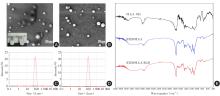
Fig.1
Characterization of nanoparticles"
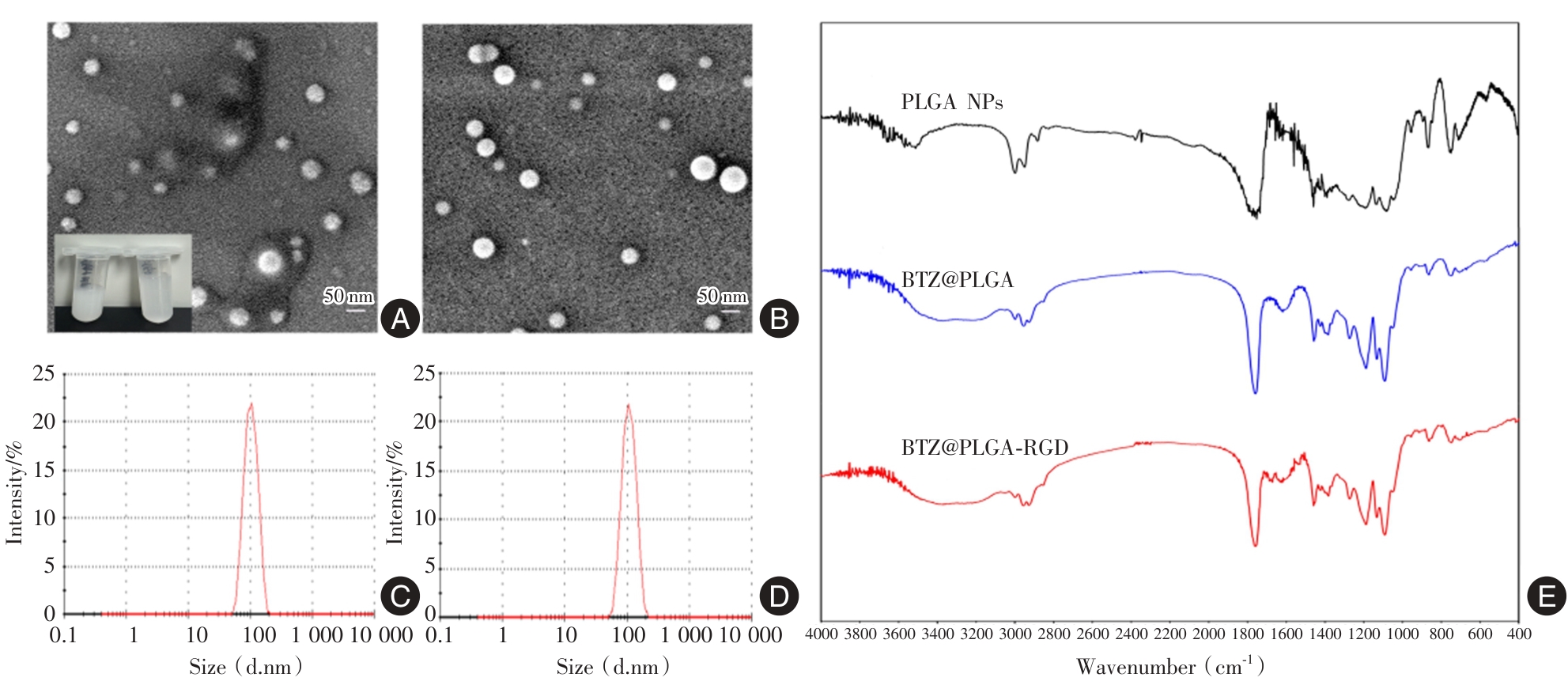
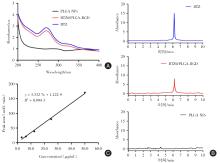
Fig.2
Determination of encapsulation efficiency"
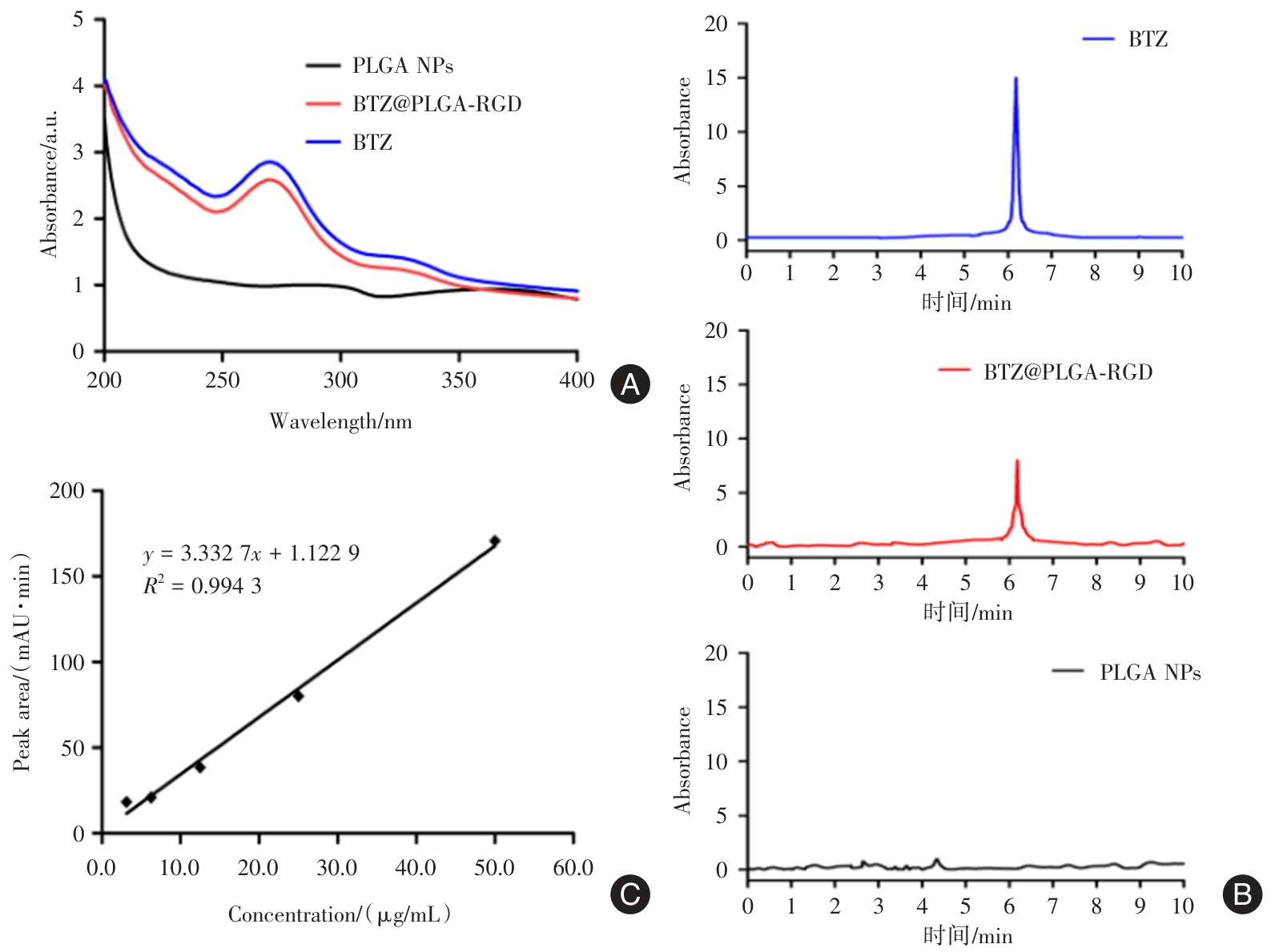
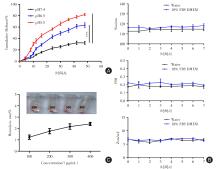
Fig.3
Detection of drug release, stability and hemolysis rate of nanoparticles"
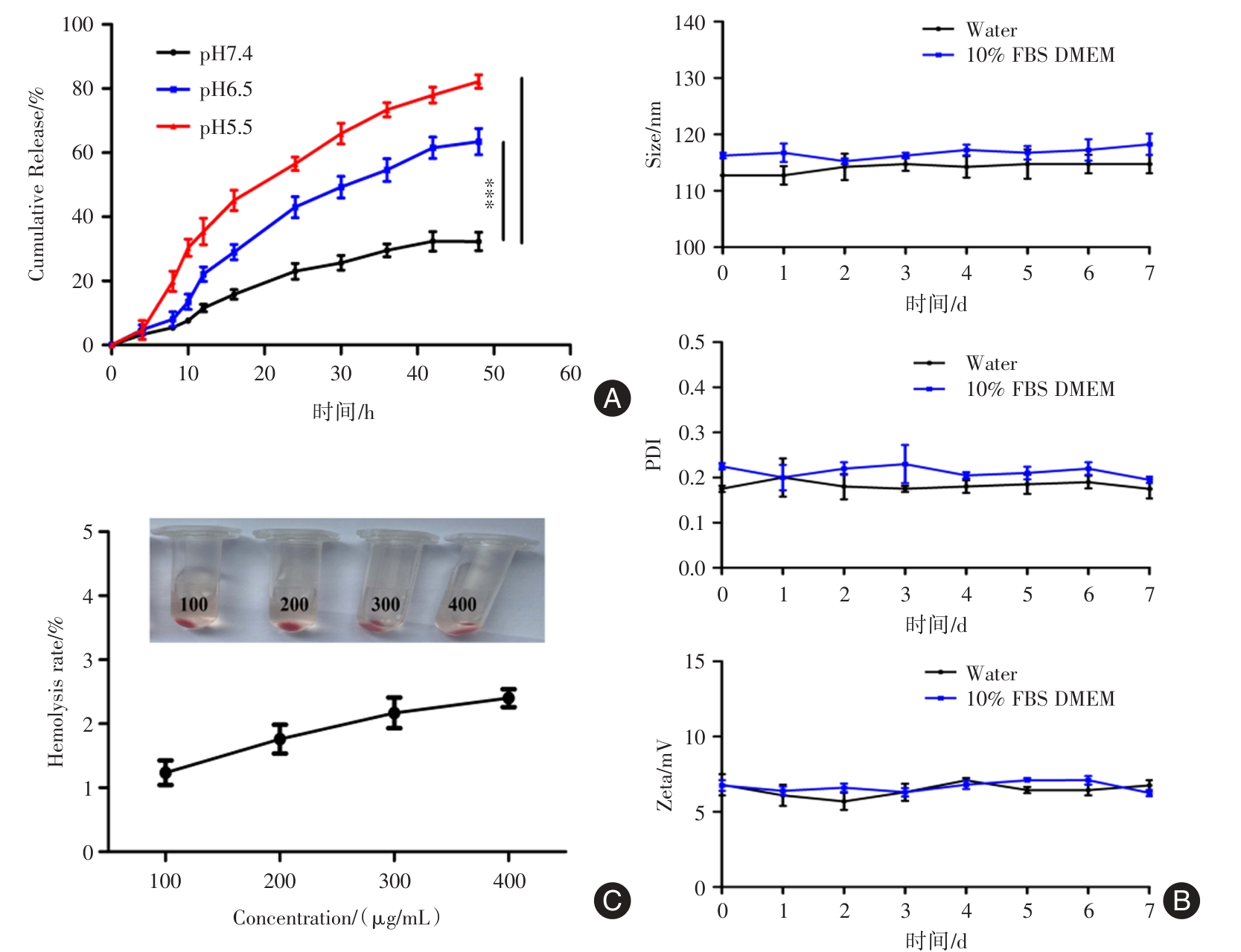
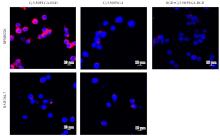
Fig.4
CLSM images of RPMI8226 cells and RAW264.7 cells incubated with the different groups, the scale bar indicates 10 μm"
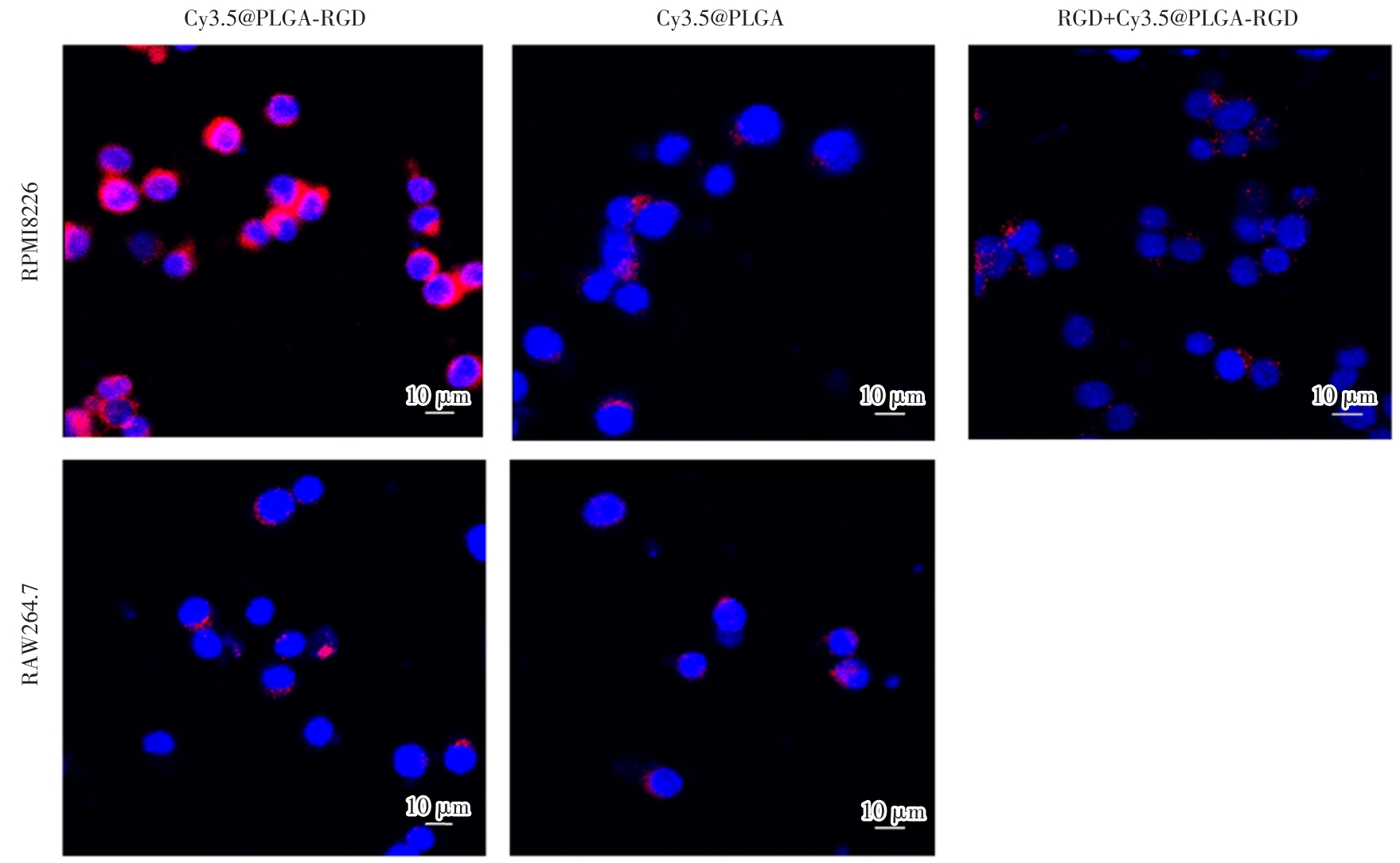
Fig.5
The intracellular localization of Cy3.5@PLGA-RGD nanoparticles in RPMI8226 cells, the scale bar indicates 20 μm"
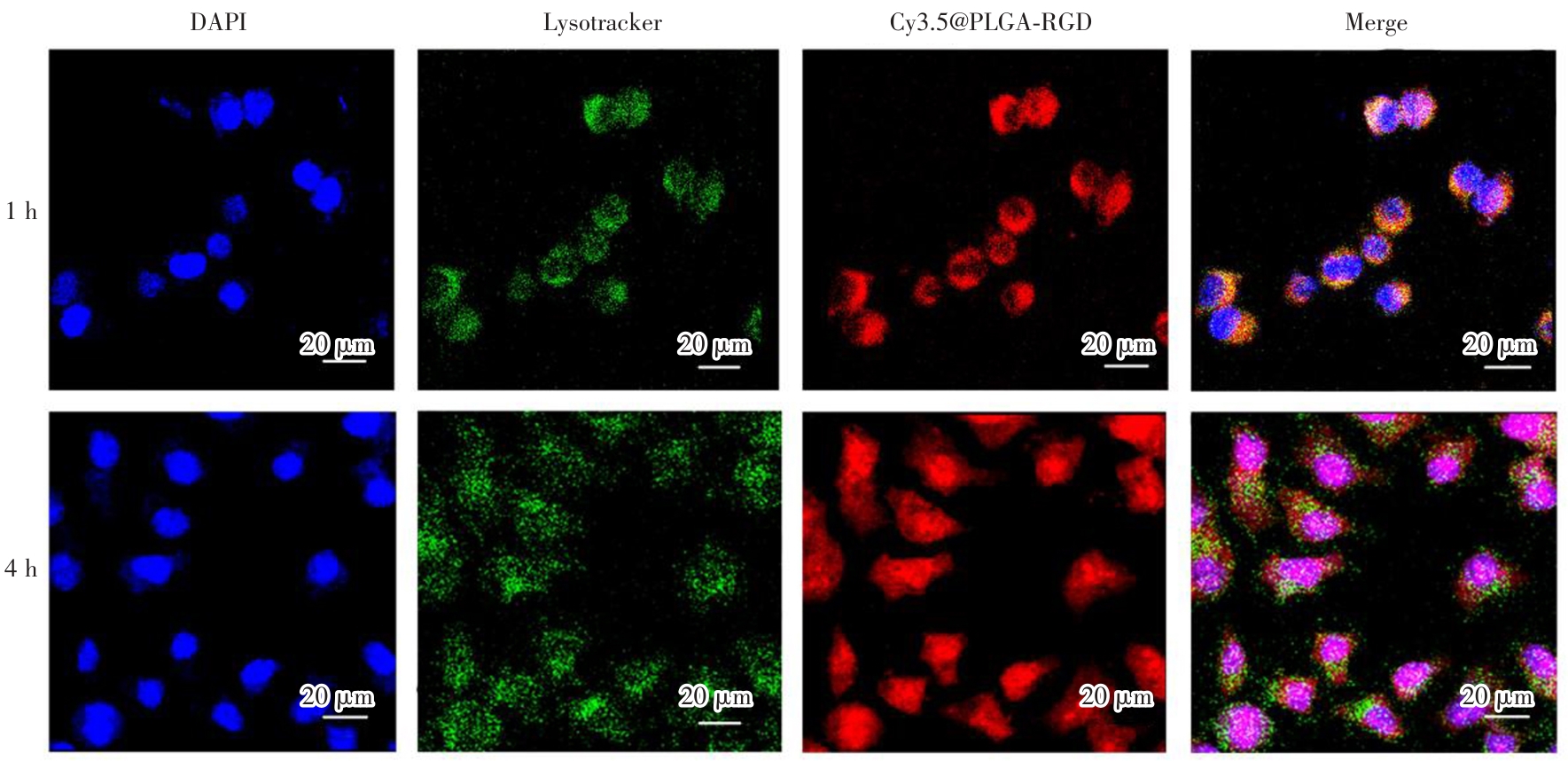
Fig.6
Detection of cell viability"
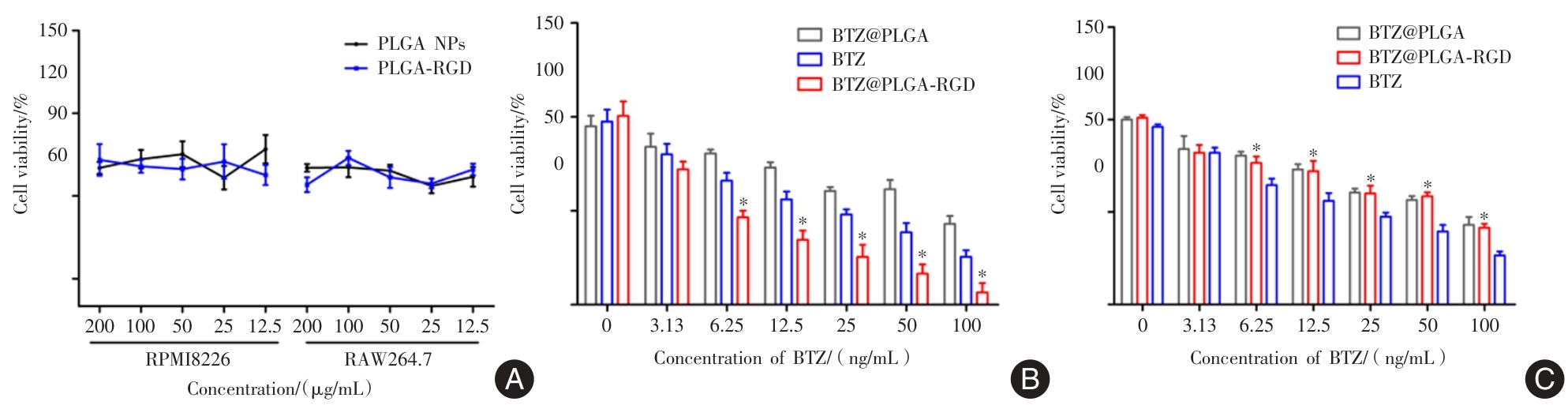
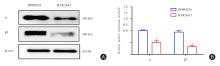
Fig.7
The protein expression of integrin αv and integrin β3 detected by Western blot"
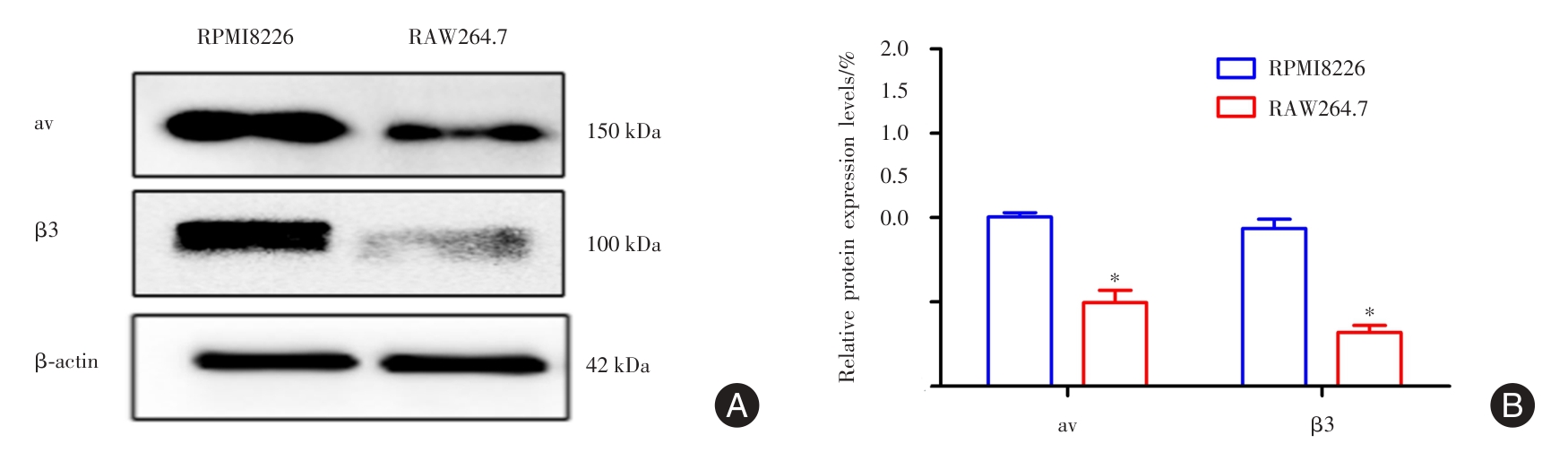
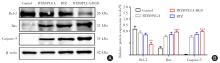
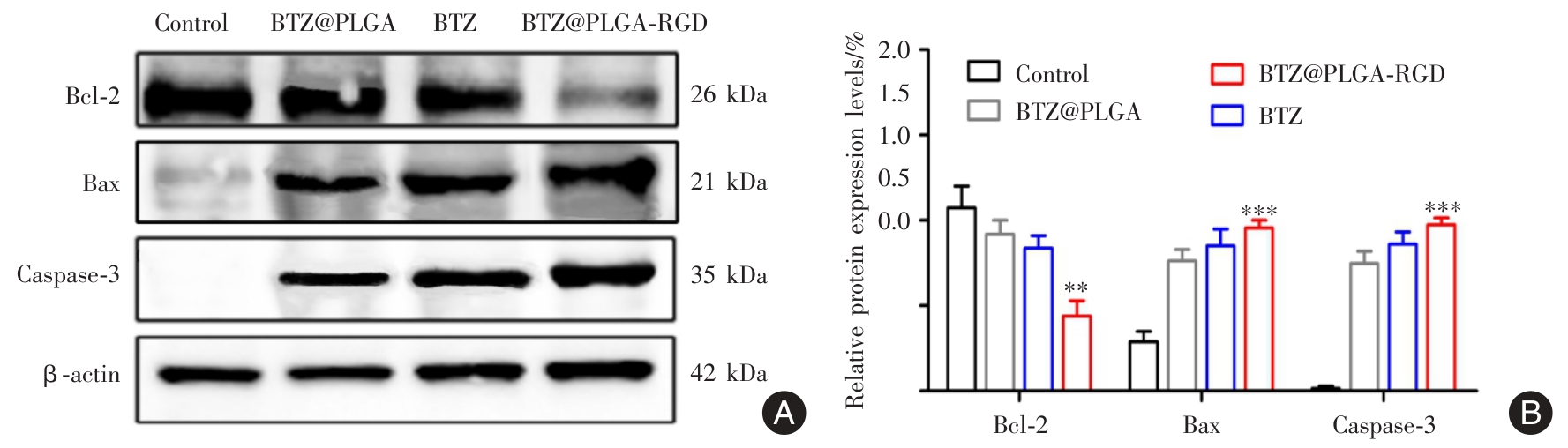
Fig.7
The protein expression of Bax, Bcl-2 and Caspase-3 detected by Western blot"
| [1] |
燕思佳, 肖毅. 多发性骨髓瘤的B细胞成熟抗原靶向嵌合抗原受体T细胞治疗与复发后处理的研究进展[J]. 实用医学杂志, 2025, 41(7): 929-935. doi: 10.3969/j.issn.1006-5725. 2025. 07. 001 .
doi: 10.3969/j.issn.1006-5725. 2025. 07. 001 |
| [2] |
HU K, LAI Y, ZHOU J, et al. Aberrant activation of adenine nucleotide translocase 3 promotes progression and chemoresistance in multiple myeloma dependent on PINK1 transport[J]. Int J Biol Sci, 2025, 21(1): 233-250. doi: 10.7150/ijbs.101850 .
doi: 10.7150/ijbs.101850 |
| [3] |
KOZALAK G, BUTUN I, TOYRAN E, et al. Review on Bortezomib Resistance in Multiple Myeloma and Potential Role of Emerging Technologies[J]. Pharmaceuticals (Basel), 2023, 16(1): 111. doi: 10.3390/ph16010111 .
doi: 10.3390/ph16010111 |
| [4] |
赵雨辰, 许曼婷, 鲍静, 等.地塞米松联合来那度胺与硼替佐米方案治疗难治复发多发性骨髓瘤的效果[J]. 实用医学杂志, 2025, 41(18): 2913-2919. doi: 10.3969/j.issn.1006-5725. 2025.18. 019 .
doi: 10.3969/j.issn.1006-5725. 2025.18. 019 |
| [5] |
WANG H, ZHANG J, CHEN L, et al. DEK facilitates bortezomib resistance of multiple myeloma by modulating ferroptosis[J]. Clin Exp Med, 2025, 25(1): 252. doi: 10.1007/s10238- 025-01673-4 .
doi: 10.1007/s10238- 025-01673-4 |
| [6] |
XIE C Y, WU J Y, YANG H, et al. GSCs differentiation model-informed nanotherapy: Dual-functional brain-targeting liposomes with iRGD modification for co-delivery of osimertinib and bortezomib to combat radioresistant glioblastoma.[J]. Cell Death Dis, 2025, 16(1): 738. doi: 10.1038/s41419-025-08083-0 .
doi: 10.1038/s41419-025-08083-0 |
| [7] |
LIM Y W, TAN W S, HO K L, et al. Challenges and Complications of Poly(lactic-co-glycolic acid)-Based Long-Acting Drug Product Development.[J]. Pharmaceutics, 2022, 14(3): 1-12. doi: 10.3390/pharmaceutics14030614 .
doi: 10.3390/pharmaceutics14030614 |
| [8] |
EGOROVA E A, NIKITIN M P. Delivery of Theranostic Nanoparticles to Various Cancers by Means of Integrin-Binding Peptides[J]. Int J Mol Sci, 2022, 23(22): 13735. doi: 10.3390/ijms232213735 .
doi: 10.3390/ijms232213735 |
| [9] |
YIN M L, LIU L, YAN Y, et al. A targeting nanoplatform for chemo-photothermal synergistic therapy of small-cell lung cancer[J]. Int J Cancer, 2024, 155(11): 2094-2106. doi: 10.1002/ijc.35065 .
doi: 10.1002/ijc.35065 |
| [10] |
SIAPOUSH S, RAHMATI M, MILANI M, et al. Targeted Delivery of Bortezomib Using Retinoid-Based Nanoparticle: Modulating Liver Fibrosis through the TGF-β1/Smad3 Pathway[J]. Adv Pharm Bull, 2025, 15(1): 107-122. doi: 10.34172/apb.43295 .
doi: 10.34172/apb.43295 |
| [11] |
TRYBA A M, KROK-BORKOWICZ M, KULA M, et al. Surface Functionalization of Poly(l-lactide-co-glycolide) Membranes with RGD-Grafted Poly(2-oxazoline) for Periodontal Tissue Engineering[J]. J Funct Biomater, 2022, 13(1): 4. doi:10.3390/jfb13010004 .
doi: 10.3390/jfb13010004 |
| [12] |
DANIELE P, MAMOLO C, CAPPELLERI J C, et al. Response rates and minimal residual disease outcomes as potential surrogates for progression-free survival in newly diagnosed multiple myeloma[J]. PLoS One, 2022, 17(5): 1-15. doi: 10.1371/journal.pone.0267979 .
doi: 10.1371/journal.pone.0267979 |
| [13] |
ZHANG J, YE Z W, CHEN W, et al. Altered redox regulation and S-glutathionylation of BiP contribute to bortezomib resistance in multiple myeloma[J]. Free Radic Biol Med, 2020, 160: 755-767. doi:10.1016/j.freeradbiomed.2020.09.013 .
doi: 10.1016/j.freeradbiomed.2020.09.013 |
| [14] |
周天, 涂琦, 何庭, 等. 蛋白酶体抑制剂在胶质母细胞瘤治疗中的应用进展[J].中国现代医生, 2024, 62(29): 120-124. doi: 10.3969/j.issn.1673-9701.2024.29.029 .
doi: 10.3969/j.issn.1673-9701.2024.29.029 |
| [15] |
XU T Y, LIU Z H, HUANG L W, et al. Modulating the tumor immune microenvironment with nanoparticles: A sword for improving the efficiency of ovarian cancer immunotherapy[J]. Front Immunol, 2022, 13: 1057850. doi:10.3389/fimmu.2022.1057850 .
doi: 10.3389/fimmu.2022.1057850 |
| [16] |
EJIGAH V, OWOSENI O, BATAILLE-BACKER P, et al. Approaches to Improve Macromolecule and Nanoparticle Accumulation in the Tumor Microenvironment by the Enhanced Permeability and Retention Effect[J]. Polymers (Basel), 2022, 14(13): 2601. doi: 10.3390/polym14132601 .
doi: 10.3390/polym14132601 |
| [17] |
CHEN Z, HONG G, LIU Z, et al. Synergistic antitumor efficacy of doxorubicin and gambogic acid-encapsulated albumin nanocomposites[J]. Colloids Surf B Biointerfaces, 2020, 196: 111286. doi: 10.1016/j.colsurfb.2020.111286 .
doi: 10.1016/j.colsurfb.2020.111286 |
| [18] |
CHOI W, BATTISTELLA C, GIANNESCHI N C. High efficiency loading of micellar nanoparticles with a light switch for enzyme-induced rapid release of cargo[J]. Biomater Sci, 2021, 9(3): 653-657. doi: 10.1039/d0bm01713b .
doi: 10.1039/d0bm01713b |
| [19] |
张玫倩, 李宏, 潘艳芳, 等. pH响应性五味子醇甲纳米粒的构建及理化性质表征[J]. 药学与临床研究, 2025, 33(5): 403-407. doi: 10.13664/j.cnki.pcr.2025.05.007 .
doi: 10.13664/j.cnki.pcr.2025.05.007 |
| [20] |
李芳, 黄丽珍, 胡文慧, 等. 细胞穿膜肽与归巢肽修饰纳米载体突破生理屏障的研究进展[J]. 药学学报, 2025, 12(15):1-29. doi: 10.16438/j.0513-4870.2025-1069 .
doi: 10.16438/j.0513-4870.2025-1069 |
| [21] |
闫洁, 余真妍, 杨洪宾, 等. 纳米载体药物的溶酶体逃逸机制及合成修饰研究进展[J]. 牡丹江医学院学报, 2022, 43(4): 149-152. doi: 10.13799/j.cnki.mdjyxyxb.2022.04.005 .
doi: 10.13799/j.cnki.mdjyxyxb.2022.04.005 |
| [1] | Jianxia HUANG,Guoliang ZHANG,Jushan ZHANG,Yan WANG,Qing WU,Binzhang WU,Minghu DU,Yuxia WANG. The relationship between levels of serum MuC1, PINP, sFLC and clinical staging, immunophenotyping in patients with multiple myeloma and their predictive value for prognosis [J]. The Journal of Practical Medicine, 2026, 42(3): 504-510. |
| [2] | Juan SHEN,Yong WANG,Qiuping WANG,Chen. LING. Relationship between the immune status of patients with multiple myeloma and the changes in the levels of detection of peripheral blood RDW-SD, sBCMA, sFLCR and prognosis [J]. The Journal of Practical Medicine, 2025, 41(8): 1161-1166. |
| [3] | Sijia YAN,Yi XIAO. Advances in BCMA⁃CAR⁃T therapy of multiple myeloma and management after relapse [J]. The Journal of Practical Medicine, 2025, 41(7): 929-935. |
| [4] | Linsha KONG,Gaigai HE,Ting LI,Kun FANG,Wei HE,Li WEI. Experimental study of doxorubicin coated by magnetic drug⁃carrying gel beads in the treatment of colorectal cancer [J]. The Journal of Practical Medicine, 2025, 41(7): 953-959. |
| [5] | Yuchen ZHAO,Manting XU,Jing BAO,Liang XIA. Clinical evaluation of daratumumab in combination with lenalidomide and bortezomib and with daratumumab, bortezomib, and dexamethasone for the treatment of relapsed and refractory multiple myeloma [J]. The Journal of Practical Medicine, 2025, 41(18): 2913-2919. |
| [6] | Jinlian WANG,Shengchang LIANG,Yibin GUO,Qi ZHANG,Kunpeng QU,Xiaopeng HAN. The clinical application value of mitoxantrone hydrochloride injection and carbon nanoparticles suspension injection in endoscopic radical thyroidectomy for thyroid cancer [J]. The Journal of Practical Medicine, 2025, 41(12): 1885-1891. |
| [7] | Rui LU,Ye CHEN,Di WANG,Lijuan ZHAO,Meilan ZHOU,Ming BAI,Lijie HE,Shiren. SUN. Analysis on clinicopathologic features and prognosis of proliferative glomerulonephritis with monoclonal IgG deposits [J]. The Journal of Practical Medicine, 2024, 40(24): 3468-3475. |
| [8] | Chunfang KONG,Anna LI,Bo KE,Weirong DING,Tingting LIU,Huan FU,Tingting ZHANG,Chenghao JIN,Mei. WU. The inhibitory effect and molecular mechanism of 6-gingerol on human multiple myeloma cells [J]. The Journal of Practical Medicine, 2024, 40(23): 3291-3297. |
| [9] | WU Tianqi , ZHANG Jing. . Application progress of carbon nanoparticles in thyroid papillary carcinoma surgery [J]. The Journal of Practical Medicine, 2023, 39(8): 1063-1066. |
| [10] | LI Xianghui, HOU Yanhong, WU Kai, YANG Mi, ZHANG Lin. . Antitumor effect of TXNDC5 siRNA targeted nanoparticles on animal model of gastric cancer:An experi⁃ mental study [J]. The Journal of Practical Medicine, 2023, 39(13): 1634-1640. |
| [11] |
WU Ming, CHU Xinyu, FU Yang, WANG Xuewei, WANG Huan, XIAO Yang, CHEN Dong, HE Jinsong..
Establishment of breast cancer organoid models and its sensitivities to chemotherapeutic drugs [J]. The Journal of Practical Medicine, 2023, 39(12): 1480-1486. |
| [12] | ZHANG Ling, JIN Chenghao, KONG Chun⁃ fang. . Mechanism of glucocorticoid resistance in multiple myeloma [J]. The Journal of Practical Medicine, 2023, 39(11): 1457-1460. |
| [13] |
GUO Kunxiong, WANG Zhihua, GUO Chanjuan, FAN Yingfang..
Targeting photodynamic therapy using calcium carbonate nanoparticles against pancreatic cancer [J]. The Journal of Practical Medicine, 2022, 38(16): 2024-2030. |
| [14] |
LIU Xiaoli, ZHOU Lin, HAN Chongxu.
Extracellular vesicle,a new marker for diagnosis and prognosis of myeloma
[J]. The Journal of Practical Medicine, 2021, 37(8): 1084-1092.
|
| [15] |
LIAO Yidong, WANG Zili, CHEN Guangtang, WANG Xudong, XU Kaya..
Research progress on stem cell transplantation for ischemic stroke [J]. The Journal of Practical Medicine, 2021, 37(21): 2817-2821. |
| Viewed | ||||||
|
Full text |
|
|||||
|
Abstract |
|
|||||
