

The Journal of Practical Medicine ›› 2026, Vol. 42 ›› Issue (10): 1828-1839.doi: 10.3969/j.issn.1006-5725.2026.10.018
• Modernization of Traditional Chinese Medicine • Previous Articles
Pingyan LIN,Zhengtao GAO,Haixin LIU,Bingcan ZHOU,Mingheng CHEN,Erqi LIU,Tianxiang LEI,Yao LIN,Qian XU( )
)
Received:2026-02-05
Online:2026-05-25
Published:2026-05-27
Contact:
Qian XU
E-mail:xmuxuqian@163.com
CLC Number:
Pingyan LIN,Zhengtao GAO,Haixin LIU,Bingcan ZHOU,Mingheng CHEN,Erqi LIU,Tianxiang LEI,Yao LIN,Qian XU. Exploring the mechanism of calcium regulation and antidepressant effect of active components from Hypericum perforatum L. based on network pharmacology and experimental verification[J]. The Journal of Practical Medicine, 2026, 42(10): 1828-1839.

Tab.1
Main active ingredients of Hypericum perforatum"
| 类型 | 活性成分 | 英文 | 有效成分命名 |
|---|---|---|---|
| 黄酮类物质 | 金丝桃苷 | hyperoside | G1 |
| 芦丁 | rutin | G2 | |
| 槲皮素 | quercetin | G3 | |
| 槲皮苷 | quercitrin | G4 | |
| 异槲皮苷 | isoquercitrin | G5 | |
| 间苯三酚衍生物 | 贯叶金丝桃素 | hyperforin | G6 |
| 加贯叶金丝桃素 | adhyperforin | G7 | |
| 萘骈二蒽酮类 | 金丝桃素 | hypericin,HY | G8 |
Fig.1
Venn diagram and PPI network"
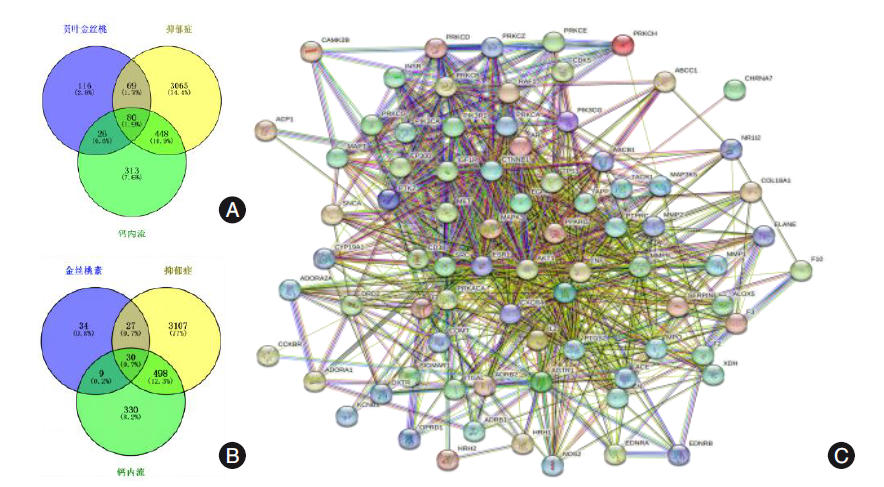
Fig.2
Hypericum perforatum visualization analysis"
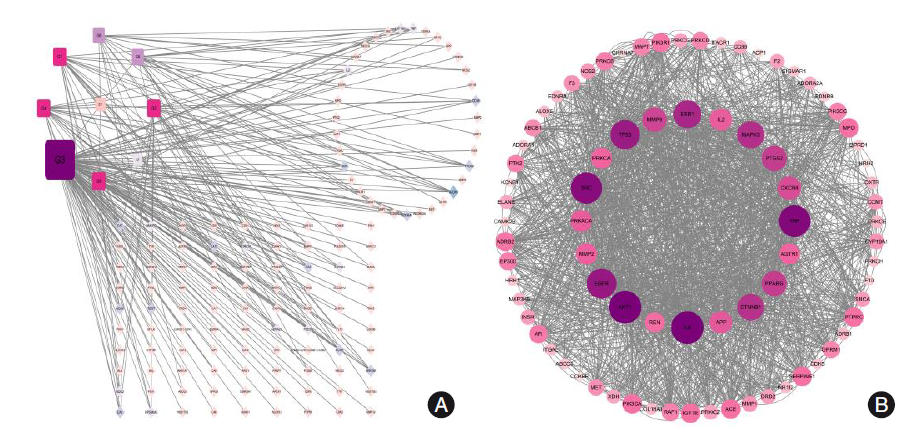
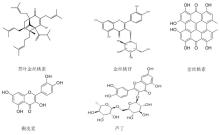
Fig.3
Monomer molecular structures of the main components"
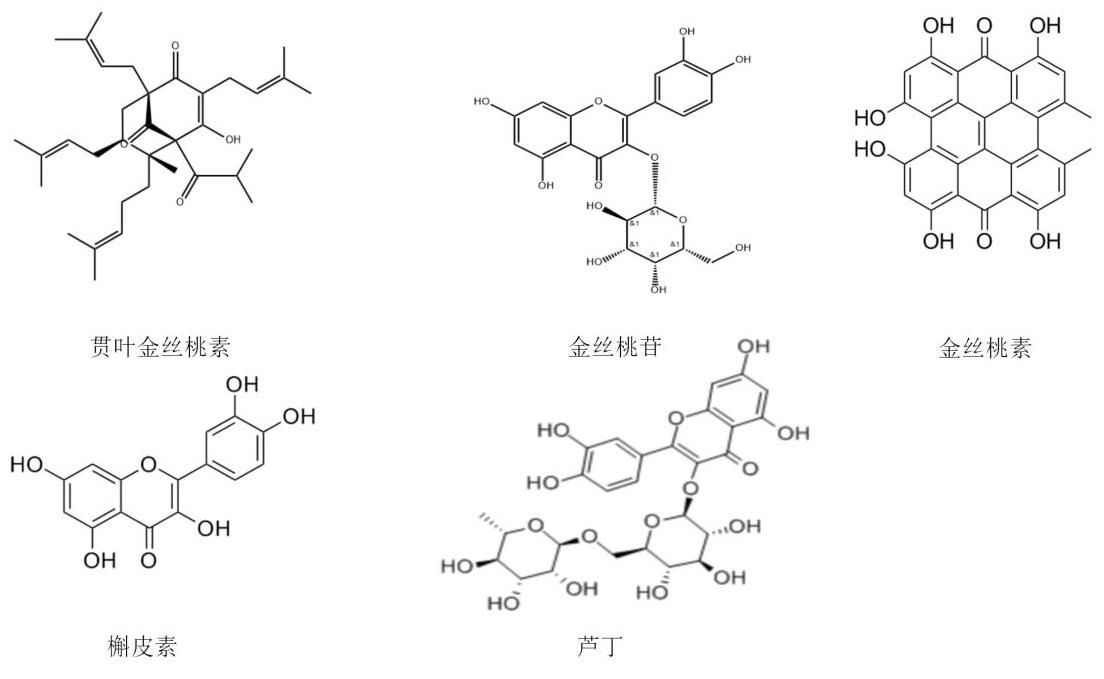
Fig.4
Visualization analysis of hypericin"
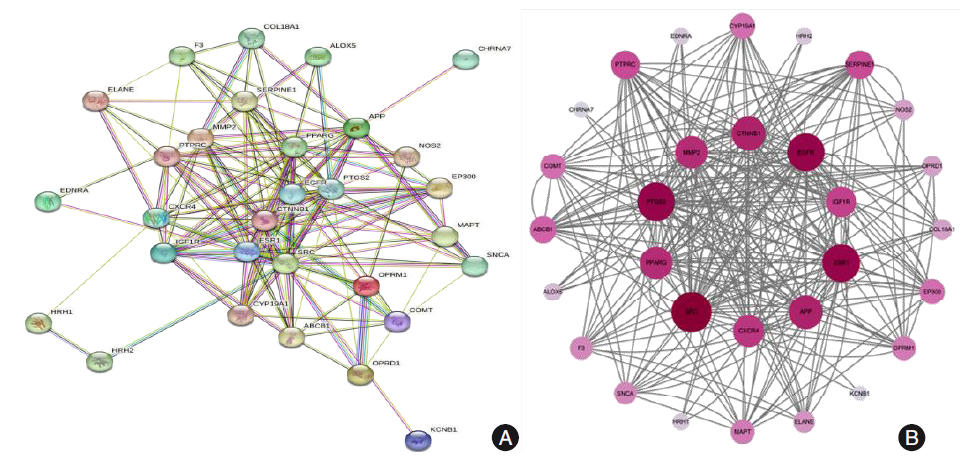
Fig.5
Functional gene enrichment analysis of Hypericum perforatum"
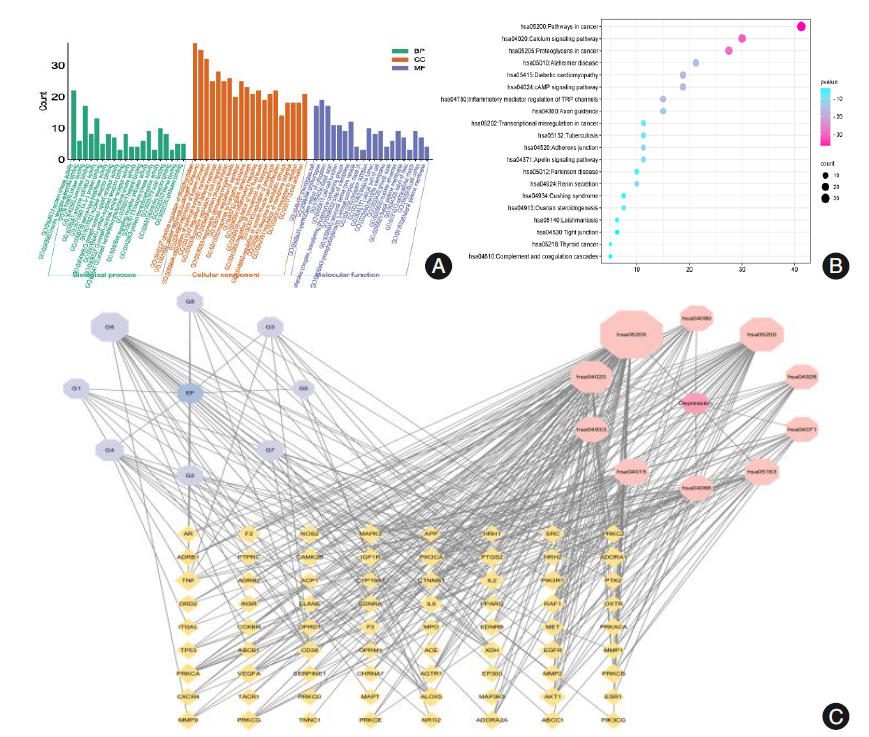
Fig.6
Hypericin functional gene enrichment analysis"
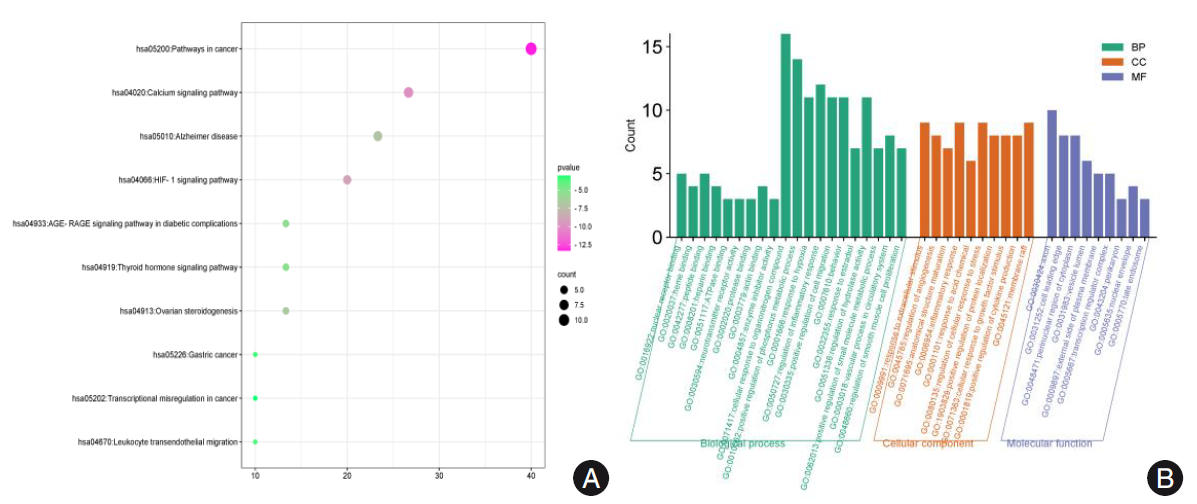
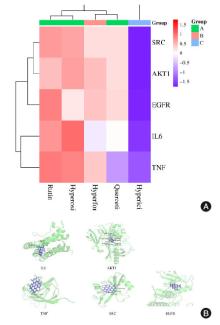
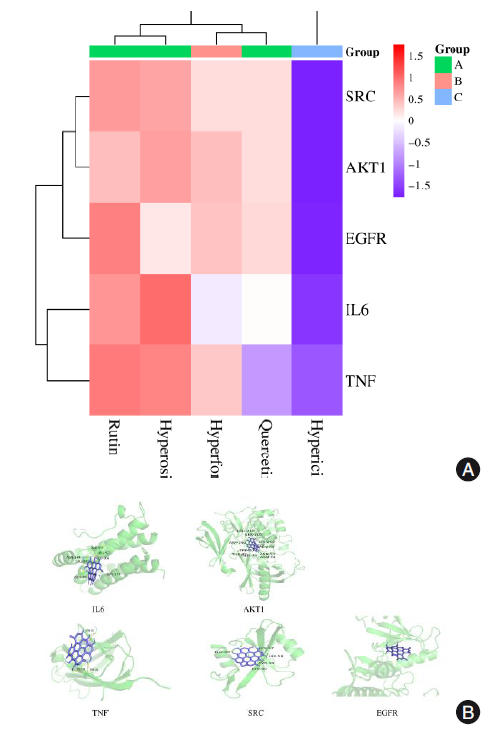
Fig.7
Validation of molecular docking between core genes of active substances and proteins"
Tab.2
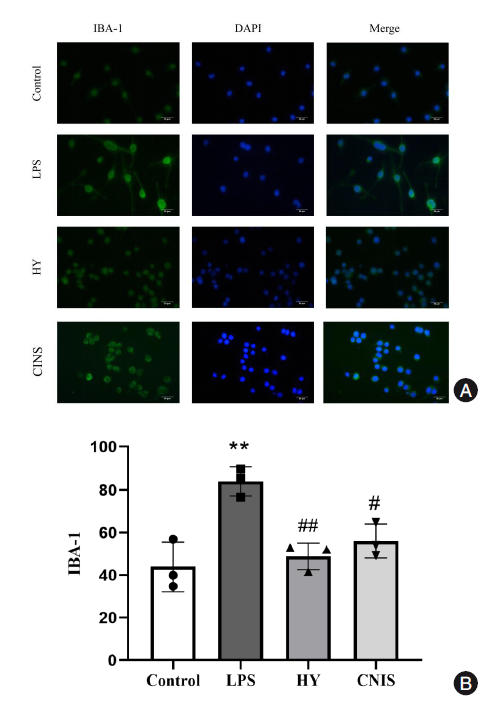
Effect of hypericin on IBA-1 expression in BV-2 cells"
| 项目 | Control组 | LPS组 | HY组 | CNIS组 | F值 | P值 |
|---|---|---|---|---|---|---|
| IBA-1 | 43.92 ± 6.70 | 84.02 ± 3.90** | 48.86 ± 3.63## | 56.01 ± 4.59# | 13.60 | 0.0017 |
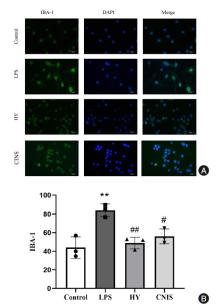
Fig.8
Effect of Hypericin on IBA-1 expression in BV-2 cells(Immunofluorescence staining,×400,Scale bar=50 μm)"
Tab.3
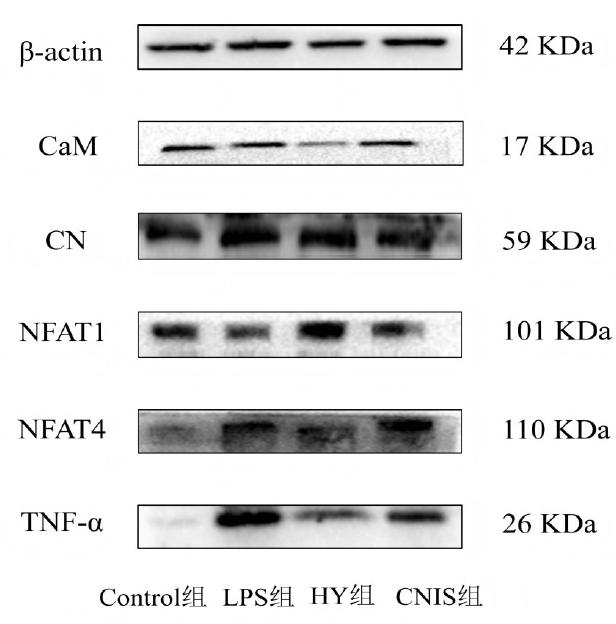
Comparison of TNF-α and calcium signaling pathway proteins relative expression levels in BV-2 cells among groups xˉ±s"
| 项目 | Control组 | LPS组 | HY组 | CNIS组 | F值 | P值 |
|---|---|---|---|---|---|---|
| TNF-α | 0.51 ± 0.15 | 2.73 ± 0.08*** | 1.76 ± 0.12### | 2.12 ± 0.12# | 78.30 | < 0.001 |
| CaM | 0.79 ± 0.02 | 1.70 ± 0.13*** | 0.90 ± 0.02### | 1.38 ± 0.08 | 28.84 | < 0.001 |
| CN | 1.61 ± 0.14 | 3.25 ± 0.11*** | 1.97 ± 0.07### | 2.55 ± 0.15# | 32.91 | < 0.001 |
| NFAT1 | 2.24 ± 0.14 | 3.89 ± 0.14*** | 2.61 ± 0.10### | 3.52 ± 0.17 | 29.55 | < 0.001 |
| NFAT4 | 1.94 ± 0.07 | 3.66 ± 0.08*** | 2.41 ± 0.10### | 2.54 ± 0.12### | 56.00 | < 0.001 |
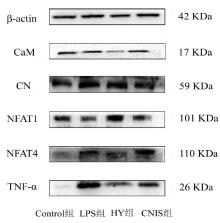
Fig.9
Effects of Hypericin on pro-inflammatory cytokines and calcium ion signaling pathways in BV-2 cells"
Tab.4
Comparison of behavioral test results among groups"
| 项目 | Control组 | DP组 | HY组 | F值 | P值 |
|---|---|---|---|---|---|
| 黑白场实验/次 | 18.33 ± 0.83 | 7.79 ± 0.80*** | 11.56 ± 0.56# | 52.46 | < 0.001 |
| 旷场实验/s | 14.38 ± 0.68 | 6.50 ± 0.50*** | 10.00 ± 0.53## | 46.81 | < 0.001 |
| 悬尾实验/s | 130.40 ± 3.01 | 181.40 ± 4.40*** | 152.30 ± 1.99### | 60.63 | < 0.001 |
Tab.5
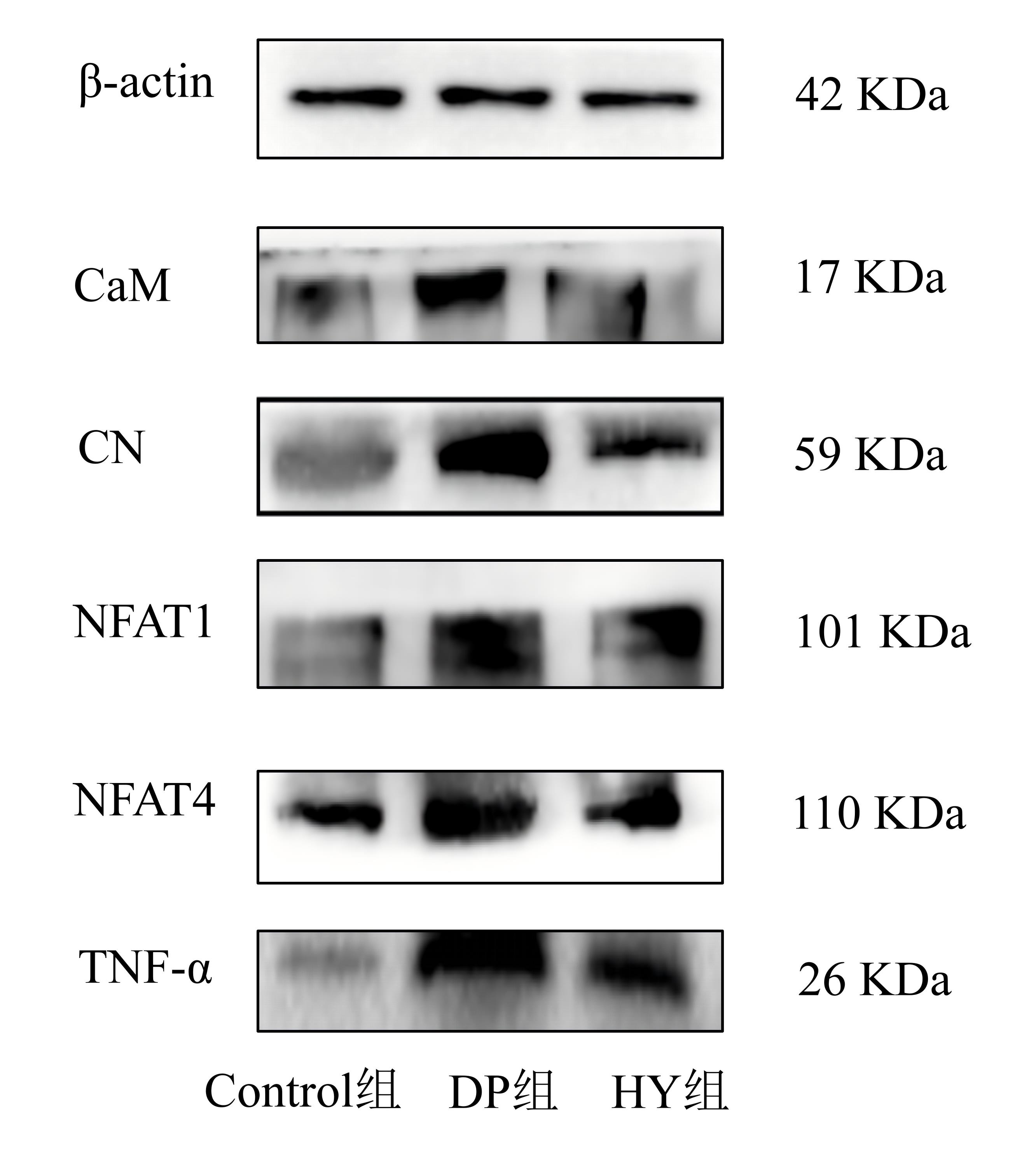
Comparison of pro-inflammatory cytokines and calcium signaling pathway proteins expression in hippocampus of mice"
| 项目 | Control组 | DP组 | HY组 | F值 | P值 |
|---|---|---|---|---|---|
| TNF-α | 2.28 ± 0.01 | 3.37 ± 0.09*** | 2.77 ± 0.07## | 61.48 | < 0.001 |
| CaM | 2.29 ± 0.10 | 4.30 ± 0.41** | 2.58 ± 0.18## | 16.97 | 0.003 |
| CN | 2.03 ± 0.08 | 3.36 ± 0.07*** | 2.80 ± 0.11## | 57.53 | < 0.001 |
| NFAT1 | 2.18 ± 0.17 | 3.37 ± 0.39 | 2.52 ± 0.26 | 4.45 | 0.065 |
| NFAT4 | 1.46 ± 0.06 | 2.55 ± 0.07*** | 1.81 ± 0.07### | 61.14 | < 0.001 |
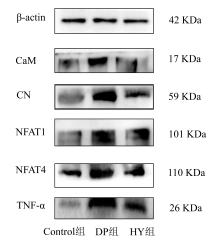
Fig.10
Effects of HY on pro-inflammatory cytokines and the CaM-CN-NFAT calcium signaling pathway"
| [1] |
盛可心, 王昊冉, 徐凌川, 等. 贯叶连翘药理作用及其机制研究新进展[J]. 中药药理与临床, 2023, 39(3): 117-122. doi: 10.13412/j.cnki.zyyl.20220601.007 .
doi: 10.13412/j.cnki.zyyl.20220601.007 |
| [2] |
MERK V M, BOONEN G, BUTTERWECK V. St. John’s wort for depression: From neurotransmitters to membrane plasticity[J]. Int J Mol Sci, 2025, 26(24): 11925. doi:10.3390/ijms262411925 .
doi: 10.3390/ijms262411925 |
| [3] |
YOSHITAKE T, IIZUKA R, YOSHITAKE S, et al. Hypericum perforatum L (St John’s wort) preferentially increases extracellular dopamine levels in the rat prefrontal cortex[J]. British J Pharmacology, 2004, 142(3): 414-418. doi:10.1038/sj.bjp.0705822 ..
doi: 10.1038/sj.bjp.0705822 |
| [4] |
陈万平. 贯叶连翘中金丝桃素提取纯化工艺及其抗氧化机理研究[D]. 兰州: 兰州理工大学, 2023. doi: 10.27206/d.cnki.ggsgu.2023.000958 .
doi: 10.27206/d.cnki.ggsgu.2023.000958 |
| [5] |
BHATTA Y, MALLA A, CHAURASIYA K A, et al. Fahr's Disease: A Rare Neurological Disorder Associated with Secondary Cause[J]. Kathmandu Univ Med J (KUMJ), 2023, 21(83):337-339. doi: 10.47391/JPMA.22-40 .
doi: 10.47391/JPMA.22-40 |
| [6] |
ZHANG J, LV S, TANG G, et al. Activation of calcium-impermeable GluR2-containing AMPA receptors in the lateral habenula produces antidepressant-like effects in a rodent model of Parkinson’s disease[J]. Exp Neurol, 2019, 322: 113058. doi:10.1016/j.expneurol.2019.113058 .
doi: 10.1016/j.expneurol.2019.113058 |
| [7] |
MORRIS G, PURI B K, OLIVE L, et al. Endothelial dysfunction in neuroprogressive disorders—causes and suggested treatments[J]. BMC Med, 2020, 18(1): 305. doi: 10.1186/s12916-020-01749-w .
doi: 10.1186/s12916-020-01749-w |
| [8] |
JOLODAR S K, BIGDELI M, MOGHADDAM A H. Hypericin ameliorates maternal separation-induced cognitive deficits and hippocampal inflammation in rats[J]. Mini Rev Med Chem, 2021, 21(9): 1144-1149. doi: 10.2174/1389557520666200727154453 .
doi: 10.2174/1389557520666200727154453 |
| [9] |
SĂLCUDEAN A, BODO C R, POPOVICI R A, et al. Neuroinflammation—a crucial factor in the pathophysiology of depression—A comprehensive review[J]. Biomolecules, 2025, 15(4): 502. doi:10.3390/biom15040502 .
doi: 10.3390/biom15040502 |
| [10] |
KHOLGHI G, ARJMANDI-RAD S, ZARRINDAST M R, et al. St. Johnʼs wort (Hypericum perforatum) and depression: What happens to the neurotransmitter systems [J]. Naunyn Schmiedeberg's Arch Pharmacol, 2022, 395(6): 629-642. doi: 10.1007/s00210-022-02229-z .
doi: 10.1007/s00210-022-02229-z |
| [11] |
RIZZO P, ALTSCHMIED L, RAVINDRAN B M, et al. The biochemical and genetic basis for the biosynthesis of bioactive compounds in Hypericum perforatum L., one of the largest medicinal crops in Europe[J]. Genes, 2020, 11(10): 1210. doi: 10.3390/genes11101210 .
doi: 10.3390/genes11101210 |
| [12] |
DONG Y, TAO B, XUE X, et al. Molecular mechanism of Epicedium treatment for depression based on network pharmacology and molecular docking technology[J]. BMC Complementary Med Ther, 2021, 21(1): 222. doi: 10.1186/s12906-021-03389-w .
doi: 10.1186/s12906-021-03389-w |
| [13] |
CHOI B R, JOHNSON K R, MARIC D, et al. Monocyte-derived IL-6 programs microglia to rebuild damaged brain vasculature[J]. Nat Immunol, 2023, 24(7): 1110-1123. doi: 10.1038/s41590-023-01521-1 .
doi: 10.1038/s41590-023-01521-1 |
| [14] |
BRÁS J P, BRAVO J, FREITAS J, et al. TNF-alpha-induced microglia activation requires miR-342: Impact on NF-kB signaling and neurotoxicity[J]. Cell Death Dis, 2020, 11: 415. doi:10.1038/s41419-020-2626-6 .
doi: 10.1038/s41419-020-2626-6 |
| [15] |
WANG J Q, DERGES J D, BODEPUDI A, et al. Roles of non-receptor tyrosine kinases in pathogenesis and treatment of depression[J]. J Integr Neurosci, 2022, 21: 25. doi:10.31083/j.jin2101025 .
doi: 10.31083/j.jin2101025 |
| [16] |
SABBAH D A, HAJJO R, SWEIDAN K. Review on epidermal growth factor receptor (EGFR) structure, signaling pathways, interactions, and recent updates of EGFR inhibitors[J]. Curr Top Med Chem, 2020, 20(10): 815-834. doi: 10.2174/1568026620666200303123102 .
doi: 10.2174/1568026620666200303123102 |
| [17] |
MORENO C, HERMOSILLA T, HARDY P, et al. Cav1.2 activity and downstream signaling pathways in the hippocampus of an animal model of depression[J]. Cells, 2020, 9(12): 2609. doi:10.3390/cells9122609 .
doi: 10.3390/cells9122609 |
| [18] |
LI L, YAO M, MENG J, et al. Advances in calcium signalling research for the diagnosis and treatment of depression[J]. Ann Med, 2026, 58(1): 2620329. doi:10.1080/07853890.2026.2620329 .
doi: 10.1080/07853890.2026.2620329 |
| [19] |
NORMANN C, FRASE S, HAUG V, et al. Antidepressants rescue stress-induced disruption of synaptic plasticity via serotonin transporter–independent inhibition of L-type calcium channels[J]. Biol Psychiatry, 2018, 84(1): 55-64. doi:10.1016/j.biopsych.2017.10.008 .
doi: 10.1016/j.biopsych.2017.10.008 |
| [20] |
FILADI R, DE MARIO A, AUDANO M, et al. Sustained IP3-linked Ca2+ signaling promotes progression of triple negative breast cancer cells by regulating fatty acid metabolism[J]. Front Cell Dev Biol, 2023, 11: 1071037. doi:10.3389/fcell.2023.1071037 .
doi: 10.3389/fcell.2023.1071037 |
| [21] |
NAJAR M A, REX D A B, MODI P K, et al. A complete map of the Calcium/calmodulin-dependent protein kinase kinase 2 (CAMKK2) signaling pathway[J]. J Cell Commun Signal, 2021, 15(2): 283-290. doi: 10.1007/s12079-020-00592-1 .
doi: 10.1007/s12079-020-00592-1 |
| [22] |
FUSE H, ZHENG Y, ALZOUBI I, et al. TAMing gliomas: Unraveling the roles of Iba1 and CD163 in glioblastoma[J]. Cancers, 2025, 17(9): 1457. doi: 10.3390/cancers17091457 .
doi: 10.3390/cancers17091457 |
| [23] |
LI T, WANG C. Hypericin alleviates cerebral ischemia/reperfusion injury by modulating endoplasmic reticulum stress[J]. Front Pharmacol, 2026, 16: 1723495. doi:10.3389/fphar.2025.1723495 .
doi: 10.3389/fphar.2025.1723495 |
| [24] |
WU J J, ZHANG J, XIA C Y, et al. Hypericin: A natural anthraquinone as promising therapeutic agent[J]. Phytomedicine, 2023, 111: 154654. doi: 10.1016/j.phymed.2023.154654 .
doi: 10.1016/j.phymed.2023.154654 |
| [25] |
LEI C, LI N, CHEN J, et al. Hypericin ameliorates depression-like behaviors via neurotrophin signaling pathway mediating m6A epitranscriptome modification[J]. Molecules, 2023, 28(9): 3859. doi: 10.3390/molecules28093859 .
doi: 10.3390/molecules28093859 |
| [26] |
BEUREL E, TOUPS M, NEMEROFF C B. The bidirectional relationship of depression and inflammation: Double trouble[J]. Neuron, 2020, 107(2): 234-256. doi: 10.1016/j.neuron.2020.06.002 .
doi: 10.1016/j.neuron.2020.06.002 |
| [1] | Chonghe WANG,Chenrui LI,Yuntao YANG,Jianan CHEN. Research progress on the pathogenesis of post-stroke depression and acupuncture treatment based on the reward circuit [J]. The Journal of Practical Medicine, 2026, 42(10): 1779-1786. |
| [2] | Ruirui FU,Ting JIANG,Wei TIAN. Correlation between downregulation of hippocampal circFBXW4 in perinatal depression and offspring neurodevelopment in rats [J]. The Journal of Practical Medicine, 2026, 42(1): 79-86. |
| [3] | Hongyi SUN,Sihong LUO,Chengyu ZHANG,Zihang MENG,Zhuo CHEN,Xiaoning LI. Exploring the neural circuitry mechanisms of acupuncture for depression: Insights centered on the nucleus accumbens [J]. The Journal of Practical Medicine, 2025, 41(22): 3618-3624. |
| [4] | Qi LI,Jing GAO,Ming ZHANG,Xu ZHANG,Yachen FENG,Rui PAN,Chunxiao WANG,Qiongdi REN. Modulation of microglia by traditional Chinese medicine improves post⁃stroke depression [J]. The Journal of Practical Medicine, 2025, 41(18): 2945-2952. |
| [5] | Zhen ZHANG,Ming CHENG,Zhaoshu JIANG,Jie YANG,Zhenliang LUO,Feng. CAO. Effects of Orexin-A/OX1R/OX2R on iron death and lipid peroxidation regulation in chronic unpredictable mild stress depressed rats [J]. The Journal of Practical Medicine, 2025, 41(16): 2507-2514. |
| [6] | Rui XU,Xingbing. HUANG. Progress of non-pharmacological treatments for treatment-resistant depression [J]. The Journal of Practical Medicine, 2024, 40(4): 439-446. |
| [7] | Kanglin CAI,Jinkai ZHANG,Liangdi RAN,Dajun HU,Zhitao FENG,Huilian. HUANG. Research progress on antidepressant pharmacological effects and mechanisms of Bupleuri Radix⁃Paeoniae Radix Alba herb⁃pair [J]. The Journal of Practical Medicine, 2024, 40(4): 447-452. |
| [8] | Yonghui LIU,Qingjing TAN,Qing CHEN,Liping WEI,Junwei YANG,Kan YANG,Yuguang. GAO. The mechanism of target regulating of miR⁃421 to Menin/Caspase⁃3 pathway for depression [J]. The Journal of Practical Medicine, 2024, 40(4): 453-459. |
| [9] | Wenjie HAN,Youtian ZHOU,Zhensheng LI,Jianjie KANG,Bingmei. DENG. Risk factors of depression and anxiety in epilepsy patients and their relationship with quality of life [J]. The Journal of Practical Medicine, 2024, 40(4): 460-465. |
| [10] | Li LI,Lin. TANG. Analysis of influencing factors of non⁃suicidal self⁃injury behavior and motivation in adult patients with depression [J]. The Journal of Practical Medicine, 2024, 40(4): 466-470. |
| [11] | Xiaojie DONG,Peng WANG,Junhua MA,Jian WANG,Chuandong YAN. Correlation analysis between personality traits and non suicidal self injury behavior in adolescent depression patients [J]. The Journal of Practical Medicine, 2024, 40(20): 2848-2853. |
| [12] | Jiawu FU,Hao WU,Zhimin LIAO,Jing CHEN,Junliang. LI. Association between miRNA-146a gene polymorphisms and ischemic post-stroke depression [J]. The Journal of Practical Medicine, 2024, 40(19): 2708-2712. |
| [13] | Hongmei LIU,Huahong ZHOU,Xiangjiu CHEN,Guobao HONG,Xiongbin WU,Yanjuan LIANG,Chunting LI,Meidi ZHENG,Yueqin LAI,Fanna. LIU. Association of frailty with anxiety and depression in patients on maintenance hemodialysis [J]. The Journal of Practical Medicine, 2024, 40(18): 2612-2617. |
| [14] | Di WANG,Dan LIAO,Yuancheng LIU,Rui XU,Qinghong. DUAN. Analysis of global local consistency changes in first-episode depression with childhood maltreatment based on resting-state magnetic resonance [J]. The Journal of Practical Medicine, 2024, 40(16): 2311-2315. |
| [15] | . [J]. The Journal of Practical Medicine, 2024, 40(12): 1677-1682. |
| Viewed | ||||||
|
Full text |
|
|||||
|
Abstract |
|
|||||
